


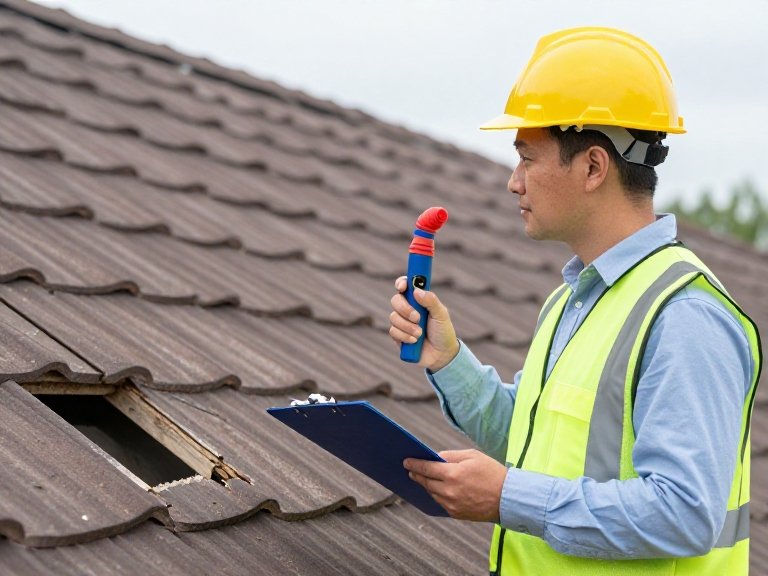
Say you’re standing in the lounge room of a house you’d happily move into tomorrow. Fresh paint, polished floorboards, a ceiling without a mark on it. You’d never guess what a building inspector might find in the roof space above it.
That’s the whole point. Most expensive problems in a house don’t announce themselves. They sit behind plasterboard, under floors and up in the roof, quietly getting worse.
So what does an inspector actually look for, what can’t they see, and how do you pick a good one? Here’s the plain version, built on what Australian government guidance says.
What Does a Building Inspector Actually Do?
A pre-purchase building inspector gives you a written account of a property’s condition. NSW Government guidance describes the report that way, and it’s meant to flag significant defects that could be costly to fix.
They check the parts they can safely reach. That guidance lists the usual areas:
The inside and outside of the building
- The roof space and the roof exterior
- The under-floor space
- Garage, carport and garden shed
- Retaining walls, steps, fencing, paths and driveways
- Surface water drainage and stormwater run-off
A good report also says what the inspector didn’t check, why, and whether you should dig further. Read that part twice.
Pre-purchase reports must comply with an Australian Standard, but NSW Government guidance notes that the standard doesn’t dictate style or content. Two reports on the same house can read very differently. For a pre-purchase building inspection, ask to see a sample report before you book.
One warning about job titles. In Victoria, “building inspector” is also a formal registration class for people who inspect building work on behalf of the building surveyor who issued a permit. Pre-purchase inspections are a different job, so ask the person you’re hiring exactly what they’re registered or licensed to do.
Hidden Property Problems a Building Inspector Can Spot
Paint is cheap. Rot isn’t.
Damp and moisture
Consumer Affairs Victoria lists damp walls, bouncy floors and excess moisture among the warning signs buyers should watch for. You can spot some of it on a visit. An inspector goes further, because they check the roof space and the under-floor space too.
Say a bathroom wall feels a touch cool and the skirting board looks swollen. Most of us would shrug and move on. An inspector will look closely at it, then check the space beneath.
Cracks and movement
Not every crack is a drama. The standard behind pre-purchase reports, AS 4349.1-2007, even includes an appendix on categorising cracks in masonry walls, so inspectors rate them instead of panicking.
When a crack looks serious, the sensible next step is a structural engineer. Consumer Affairs Victoria gives the same advice for large cracks.
Cosmetic cover-ups
Consumer Affairs Victoria says a qualified inspector knows what to look for and can see through cosmetic improvements that cover up faults. Fresh paint throughout a house right before it’s listed isn’t proof of anything. It’s a reason to look harder.
Unsafe or unapproved renovations
Consumer Affairs Victoria says the inspection report will list unsafe or unauthorised renovations and extensions. That matters because illegal alterations may become your responsibility once you sign the contract.
Picture a lovely back deck that looks like a weekend project. An inspector can flag that something looks off. But RACV notes that a standard report doesn’t confirm renovations had the right approvals, so the permit question goes to the council. Consumer Affairs Victoria suggests checking the Section 32 statement and asking the council directly.
Water that goes the wrong way
Surface water drainage and stormwater run-off are on the inspector’s checklist. Pooling water near a house is a quiet troublemaker, so it’s worth noticing before you own it.
What a Building Inspector Can’t Tell You
A report isn’t a guarantee. NSW Government guidance says it identifies major problems visible at the time of inspection, and it generally doesn’t cover:
- Areas that weren’t or couldn’t be inspected
- Matters outside the inspector’s expertise
- Minor defects
- Termite detection
- Footings and concealed damp-proofing
- Electrical wiring, plumbing, gas fitting, air conditioning, pools and appliances
That termite line trips people up. Termite detection belongs to a separate timber pest inspection, and Consumer Affairs Victoria suggests considering one before you buy. Built before 1990? It also suggests thinking about an asbestos assessment.
Buying a unit? The inspector normally assesses only the inside of your unit and its immediate exterior. Common property needs a special-purpose report.
Cost estimates are another grey area. NSW guidance says a standard report doesn’t estimate repair costs, while a special-purpose report can. Consumer Affairs Victoria describes reports as listing likely repair costs. What you get depends on what you order, so ask before booking.
Also, the report isn’t a certificate of compliance for any law, warranty or insurance policy. If an inspector promises to find everything, find a different inspector.
Is Hiring a Building Inspector Worth the Money?
Consumer Affairs Victoria points out that an inspection fee is small next to the cost of unexpected repairs. Hard to argue with that maths. Still, it isn’t a free lunch, so weigh both sides.
The upsides
- You find problems you’d never spot during a 20-minute open home.
- You get a written record to negotiate with.
- You learn which specialists to call next.
- You can budget for repairs before you bid.
- You can walk away without wondering what you missed.
The downsides
- The inspection is visual, so concealed problems can slip through.
- Access on the day limits what gets checked.
- Report quality and detail vary between providers.
- You may still need separate pest, asbestos or electrical checks.
Say the report flags a sagging patch in the roof you’d have needed to fix anyway. Better to hear it before you sign than the week after. Just remember what you’re buying: a snapshot of the house on one day, written by someone with a torch and a ladder.
How to Choose a Building Inspector You Can Trust
Pick your own. Don’t lean on the agents.
Consumer Affairs Victoria tells buyers to be wary of any report offered by the agent or seller, and NSW guidance says a report commissioned by the vendor isn’t a substitute for your own independent one. You can read the buyer guidance on the Consumer Affairs Victoria website.
Then check the person behind the report:
- Qualifications. NSW guidance suggests a suitably qualified person such as a licensed builder, surveyor or architect.
- Insurance. Consumer Affairs Victoria recommends an inspector with full professional indemnity insurance, which protects you if a missed problem has to be fixed.
- Registration. In Victoria, Consumer Affairs Victoria points buyers to the Building and Plumbing Commission to find a registered building practitioner. In NSW, you can use the Verify NSW licence check.
- Sample report. Ask what’s included and how it’s laid out.
- Scope. Ask whether they’ll walk you through the findings on site.
Say two quotes land in your inbox. One’s noticeably cheaper, but its sample report is three pages of generic text. The other costs a bit more and comes with photos and a clear scope. Which would you rather lean on when you’re about to take on a mortgage?
Once you’ve shortlisted someone, book a building inspector before the contract locks you in. If you can be on site, go.
How to Read Your Building Inspection Report
Reports can run long, and a long list of defects looks scary. Most older homes come with one. The useful question is which items are big.
- Read the summary first, then the whole report. The summary tells you how serious things are, and the body tells you where.
- Sort the findings into four piles: safety hazards, structural worries, things to monitor, and cosmetic jobs.
- Chase every “further inspection recommended” line. NSW guidance says reports may suggest specialists such as a pest inspector, structural or geotechnical engineer, or surveyor.
- Get quotes from the relevant trades before you decide anything.
- Use what you’ve learned. Consumer Affairs Victoria says you can use the report to negotiate on price and contract conditions, or to plan maintenance if you buy.
Building Inspector FAQs
What’s the difference between a building inspector and a pest inspector?
A building inspector looks at the condition of the structure and its accessible parts. A pest inspector checks for termites and other timber pests under AS 4349.3. Building reports generally don’t detect termites, so you’ll usually want both.
Can I just use the report the seller gives me?
Consumer Affairs Victoria says to be wary of any report from the agent or seller. NSW guidance says a vendor-commissioned report isn’t a substitute for your own independent one. Read it as extra background but book your own inspector.
What happens if the report finds major problems?
You’ve got options, and none of them are automatic. Start by getting the right specialist in. For large cracks, Consumer Affairs Victoria suggests a structural engineer. Then get repair quotes so you know what the problems really cost.
From there you can negotiate the price or conditions, plan for the repairs, or walk away. Check with your conveyancer or solicitor before you sign, because your options depend on what the contract says.
The Bottom Line
A building inspector can’t see through every wall. But a good one will show you the damp, the cracks, the dodgy renovations and the gaps in what’s been inspected, which is plenty to change your mind or your offer.
So choose your own inspector, check their insurance and registration, and read the whole report. Line one up early. When you’re ready, talk to a building inspector before you commit to the contract.