
Why Home Marquee Hire is Perfect for Your Next Celebration
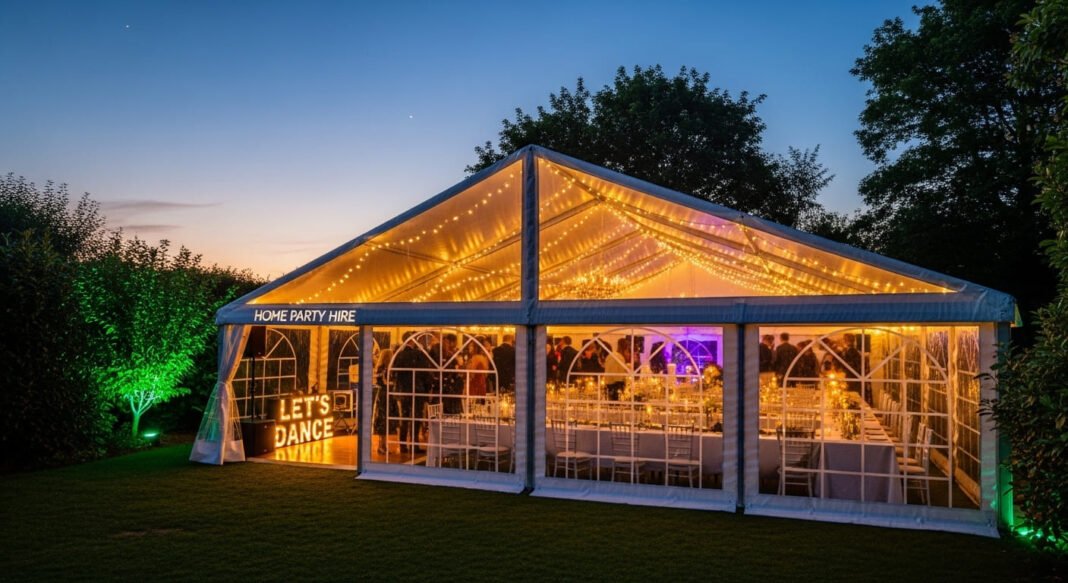
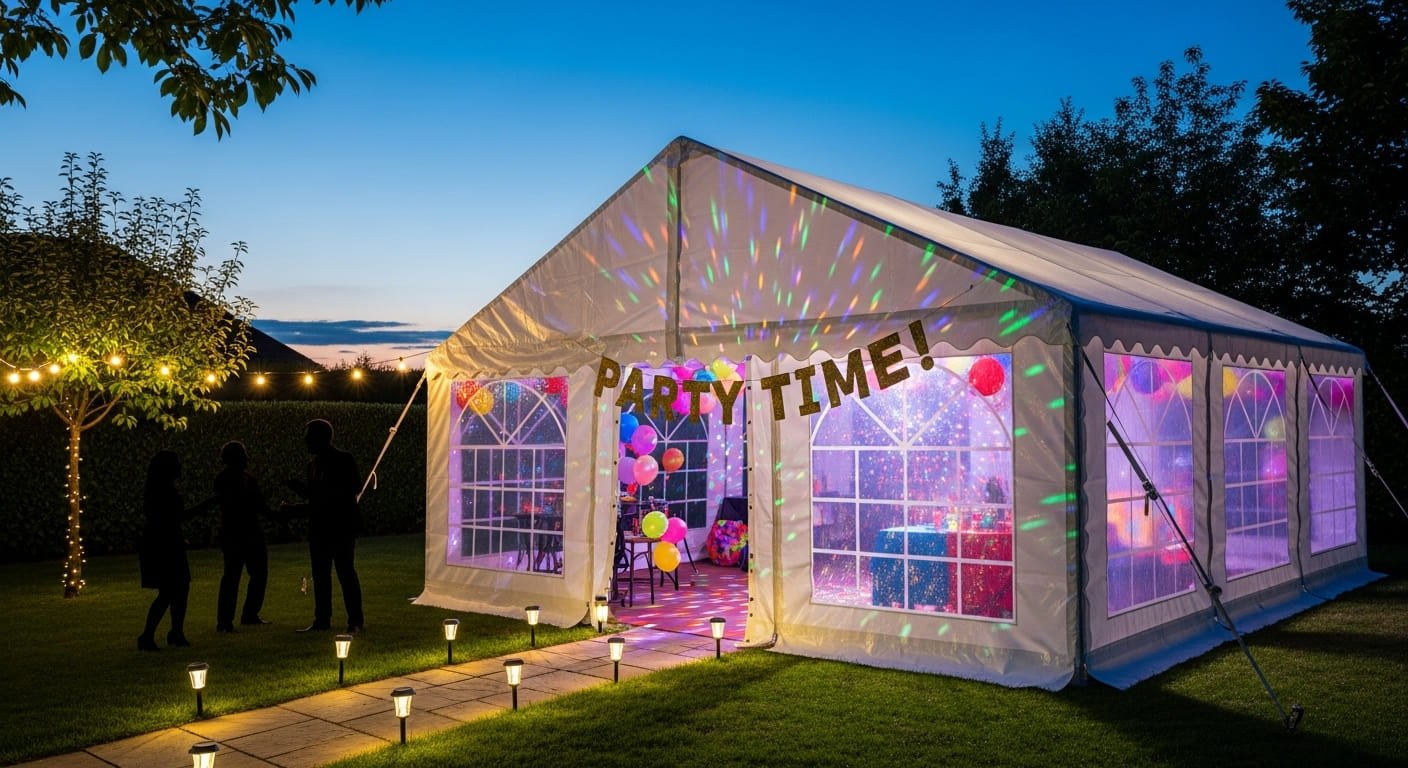
Planning a memorable event at home can feel overwhelming, especially when the weather is unpredictable or space is limited. That’s where a home marquee comes in. A well‑chosen marquee turns a backyard, garden, or patio into a protected, stylish venue that can host anything from a birthday party to a wedding reception. In Australia, the demand for home marquee hire has surged as families and small businesses look for flexible, cost‑effective solutions that keep the celebration under their own roof while still delivering a professional feel.
Benefits of Home Marquee Hire
Hiring a marquee for a home event offers several clear advantages. First, it provides shelter from the sun, rain, and wind—common concerns across the Australian climate, from the hot summers of Queensland to the cool, breezy evenings in Tasmania. Second, a marquee creates a defined space that can be dressed up with lighting, flooring, and décor to match any theme. Third, it adds a touch of elegance without the cost of a commercial venue. Finally, most marquee providers handle delivery, set‑up, and take‑down, allowing you to focus on enjoying the day rather than worrying about logistics.
Choosing the Right Size and Style
The first step in a successful home marquee hire is selecting the right size. Measure the usable area of your garden or patio, then add a buffer of at least one metre on each side for safe access and emergency exits. Common sizes in Australia range from 3 × 3 m for intimate gatherings to 10 × 20 m for larger weddings. Style choices include clear‑top marquees for daylight events, canvas‑top for a classic look, and hybrid models that combine both. Consider the event’s purpose: a clear top lets natural light in for a daytime brunch, while a canvas top keeps the space warm for an evening dinner.
Understanding Australian Regulations
Before you sign a contract for home marquee hire, it’s essential to check local regulations. Each state and territory has its own building codes and council requirements. In New South Wales, a temporary structure over 3 m high may need a Development Application (DA) or a complying development certificate. In Victoria, a marquee that exceeds 30 m² often requires a building permit and a fire safety plan. Queensland councils typically require a site‑specific risk assessment, especially if the marquee is placed near trees or power lines. Always ask your provider for a compliance checklist and, if needed, consult your local council’s planning department.
Top Providers and Competitors in Australia
The Australian market for home marquee hire includes a mix of national chains and regional specialists. Some of the most recognised providers are:
- Marquee Hire Australia – offers a wide range of sizes and optional accessories such as flooring and heating.
- Event Marquee Solutions – known for quick delivery and flexible set‑up times in metropolitan areas.
- Southern Cross Marquee – focuses on rural and regional customers, with expertise in site preparation.
- Sunshine Marquee Co. – provides budget‑friendly packages for small gatherings.
These providers often compete on price, turnaround time, and additional services like décor packages or on‑site staff. When comparing quotes, look beyond the headline price and consider factors such as insurance coverage, staff qualifications, and the inclusion of safety equipment.
Budgeting and Cost Factors
The cost of home marquee hire varies widely based on size, style, location, and extra services. A basic 3 × 3 m canvas marquee in Sydney might start at around AUD 350, while a 10 × 20 m clear‑top marquee in Perth could exceed AUD 3 000. Additional expenses include:
- Delivery and collection fees – usually a flat rate, but can increase for remote areas.
- Ground anchoring – essential for windy conditions, especially in coastal regions.
- Heating or cooling – portable heaters for winter events in Melbourne, or fans for summer parties in Adelaide.
- Flooring and décor – carpet, wooden decking, or decorative lighting.
To stay within budget, request a detailed quote that breaks down each component. Ask whether the provider offers package discounts for combined services such as lighting and furniture hire.
Planning Tips for a Smooth Setup
A successful home marquee hire hinges on careful planning. Follow these practical steps:
- Site preparation: Clear the area of debris, level the ground, and mark the perimeter. A flat surface reduces the risk of the marquee shifting.
- Permits and insurance: Secure any required council approvals and verify that the provider holds public liability insurance.
- Timing: Schedule delivery at least a few hours before guests arrive to allow for set‑up and any last‑minute adjustments.
- Power supply: Arrange for a reliable electricity source for lighting, sound, and catering equipment. Portable generators are an option for off‑grid locations.
- Safety checks: Conduct a walk‑through with the provider on the day of the event to confirm that anchoring, fire exits, and emergency lighting are in place.
Cultural Touches for Australian Celebrations
Australia’s multicultural society offers many opportunities to add local flavour to a marquee event. Incorporate native plants such as eucalyptus or wattle in centrepieces, or serve classic Aussie foods like meat pies, pavlova, and lamingtons. For a beach‑side celebration in Queensland, consider a “surf‑side” theme with surfboards and tropical décor. In the outback, a rustic “bush” style with timber tables and lanterns can create a warm, inviting atmosphere. These cultural nuances not only enhance the guest experience but also make the event feel uniquely Australian.
Questions and Answers: Common Questions About Home Marquee Hire in Australia
Below are some of the most frequently asked questions from Australian customers considering a home marquee hire. Each answer is designed to give clear, actionable information.
1. Do I need a permit to hire a marquee for my backyard?
In most states, a marquee under 30 m² does not require a formal building permit, but you may still need a development approval if it exceeds a certain height or is placed near a road. Always check with your local council before booking.
2. How far in advance should I book a marquee for a summer wedding?
Peak wedding season in Australia runs from November to February. It is advisable to book at least 6‑8 weeks ahead to secure the size and style you want, especially in popular locations like the Gold Coast or the Adelaide Hills.
3. What safety measures are required for a marquee in windy conditions?
Providers must use ground anchors, weighted sandbags, or concrete blocks to secure the structure. In coastal areas, additional wind‑bracing may be required. Ask your supplier for a written safety plan and ensure that all anchoring complies with Australian Standards AS 1657.
4. Can I add heating or cooling to my marquee?
Yes. Portable electric or gas heaters are common for winter events in Melbourne and Hobart, while fans or evaporative coolers work well for summer gatherings in Perth and Darwin. Confirm that the provider can supply the necessary power supply and that any equipment meets local safety regulations.
5. How do I choose between a clear‑top and a canvas‑top marquee?
A clear‑top marquee lets in natural light and offers views of the surrounding garden, making it ideal for daytime events. A canvas‑top provides better insulation and protection from rain, which is useful for evening functions or regions with frequent showers, such as the south‑east coast.
Conclusion: Your Path to a Successful Home Marquee Hire in Australia
Home marquee hire offers a flexible, affordable way to transform any backyard into a professional‑grade event space. By understanding local regulations, selecting the right size and style, budgeting wisely, and adding cultural touches that reflect Australian traditions, you can create a memorable celebration that feels both personal and polished. Start by researching reputable providers, confirming any council requirements, and planning your set‑up timeline well in advance. With careful preparation, your next home event will be comfortable, safe, and truly unforgettable.