

Imagine walking into your house on a freezing Melbourne winter night and feeling warm air wrap around you the moment you shut the door. That instant comfort, that sigh of relief – that’s what a good duct heating system delivers. It’s not a luxury. In Victoria, where winter can bite hard, a reliable duct heating system is often the difference between shivering through July and actually enjoying your home.
Why Australian Homes Love Duct Heating Systems
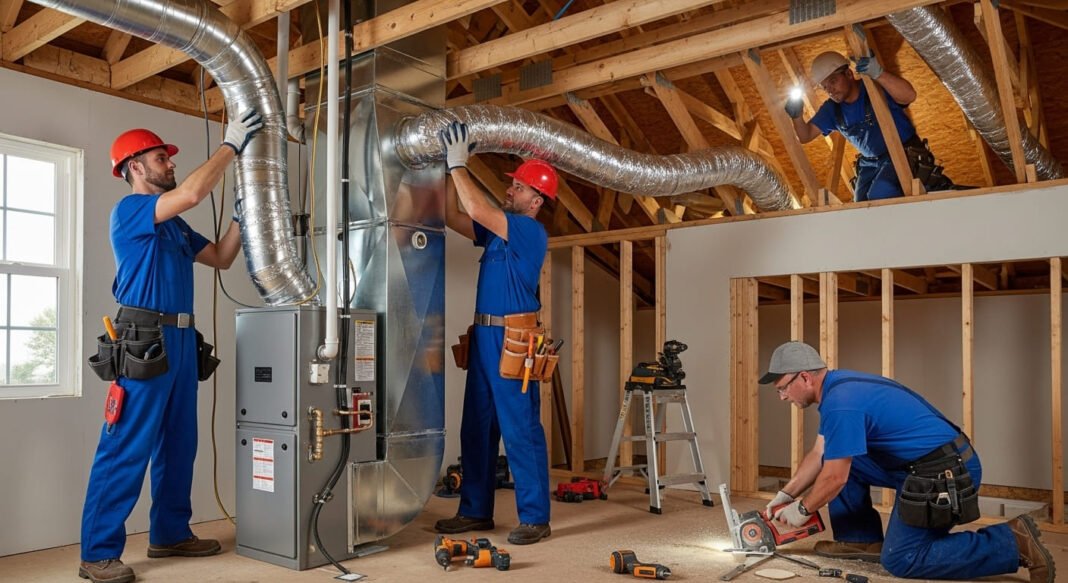
A duct heating system pushes warm air through ducts hidden in your floor or ceiling and delivers it quietly through vents in every room. The whole house reaches the same comfortable temperature at the same time. No cold spots in the lounge, no icy hallway, no arguments about who gets the spot closest to the portable heater.
Families in Ringwood, Croydon, Heathmont and right across Melbourne’s eastern suburbs rely on their duct heating system every winter. Kids do their homework without numb fingers. Clothes dry faster on indoor racks. Even the dog stops looking for the warmest patch of carpet.
Gas or Electric – Which Duct Heating System Wins in Australia?
Gas duct heating remains the favourite in Victoria for one simple reason: running costs. Natural gas is still cheaper than electricity in most Melbourne homes, especially if you already have a gas connection. A modern 6-star gas duct heating system will keep a typical three-bedroom house warm for less than a bar heater running in one room.
Electric reverse-cycle ducted systems (sometimes called ducted air conditioning with heating) have caught up in efficiency. The latest 7- or 8-star units heat surprisingly well and give you cooling in summer, which is a huge bonus when February rolls around and the temperature suddenly hits 38°C. They cost more upfront, but many families now choose them for year-round comfort.
Getting the Right Size – The Mistake Most People Make
Too many homes end up with a duct heating system that’s either too small (and runs flat-out all winter) or way too big (short-cycling and wasting energy). A properly sized unit is the single biggest factor in comfort and running costs.
A professional load calculation looks at your floor area, ceiling height, insulation levels, window sizes, and even which direction your house faces. In newer homes around Wonga Park or Park Orchards with good insulation, you’ll often need less capacity than you think. Older brick veneer homes in Ringwood North usually need more grunt.
Zoning – The Feature That Changes Everything
Modern duct heating systems let you turn rooms on or off independently. Close the vents and switch off the ducts to the kids’ bedrooms during the day while you work from home. Open everything up when everyone gets home. Turn the system down to just the living areas at night. Smart zoning can cut your winter bill by 20–30% without sacrificing comfort.
Installation Tips From Years on Melbourne Job Sites
Floor vents versus ceiling vents comes down to your slab or crawl space. Houses on concrete slabs nearly always go ceiling ducts. Homes with a sub-floor usually get floor vents, which feel warmer underfoot (perfect when you step out of bed on a 2°C morning).
Ductwork must be insulated properly. Uninsulated ducts under the floor or in the roof lose huge amounts of heat. Good installers use R1.5 or R2.0 duct wrap as standard now – make sure yours does.
Return air grilles need to be big enough. A common shortcut is an undersized return air that starves the system and makes it noisy. You’ll hear it whistling the moment it starts.
Looking After Your Duct Heating System
Change the filter every spring – it takes five minutes and stops dust blowing through the house all summer when you switch to cooling.
Book a proper carbon monoxide test every two years. Gas duct heating systems are very safe when maintained, but peace of mind is worth the service call.
Clean the outlets and vacuum the return air grille yearly. Melbourne’s eucalyptus trees drop fine dust that builds up inside vents and makes the system work harder.
Questions and Answers: Common Questions About Duct Heating Systems in Australia
Q: Will a duct heating system dry out the air in my Melbourne home?
Not like the old pot-belly stoves did. Modern gas units add very little moisture, but they don’t dry the air as much as people think. If you get chapped lips or static shocks, a whole-house humidifier or even a few bowls of water on the vents fixes it cheaply.
Q: Is it worth replacing my 20-year-old ducted heater?
Almost always yes. A 3-star unit from the early 2000s uses roughly twice as much gas as a new 6-star model. Most families see the replacement pay for itself in 6–8 years through lower bills, then it’s pure savings.
Q: Can I keep my existing ducts when I upgrade the heater?
In most Melbourne homes built since the 1980s, yes. The ductwork is usually in good condition and correctly sized. You just replace the indoor unit under the house or in the roof and the outdoor unit (for add-on cooling). Saves thousands compared to full re-ducting.
Q: What’s the quietest duct heating system available now?
The latest Braemar and Bonaire units with variable-speed fans are almost silent. You’ll hear the click of the thermostat more than the actual heater running. Even mid-range units are much quieter than ten years ago.
Q: Do I need council approval to replace my duct heating system in Maroondah or Whitehorse?
Only if you change from gas to electric or add cooling that requires a bigger outdoor unit in a visible spot. Straight replacement of like-for-like is usually exempt.
Conclusion: Your Path to a Successful Duct Heating System in Australia
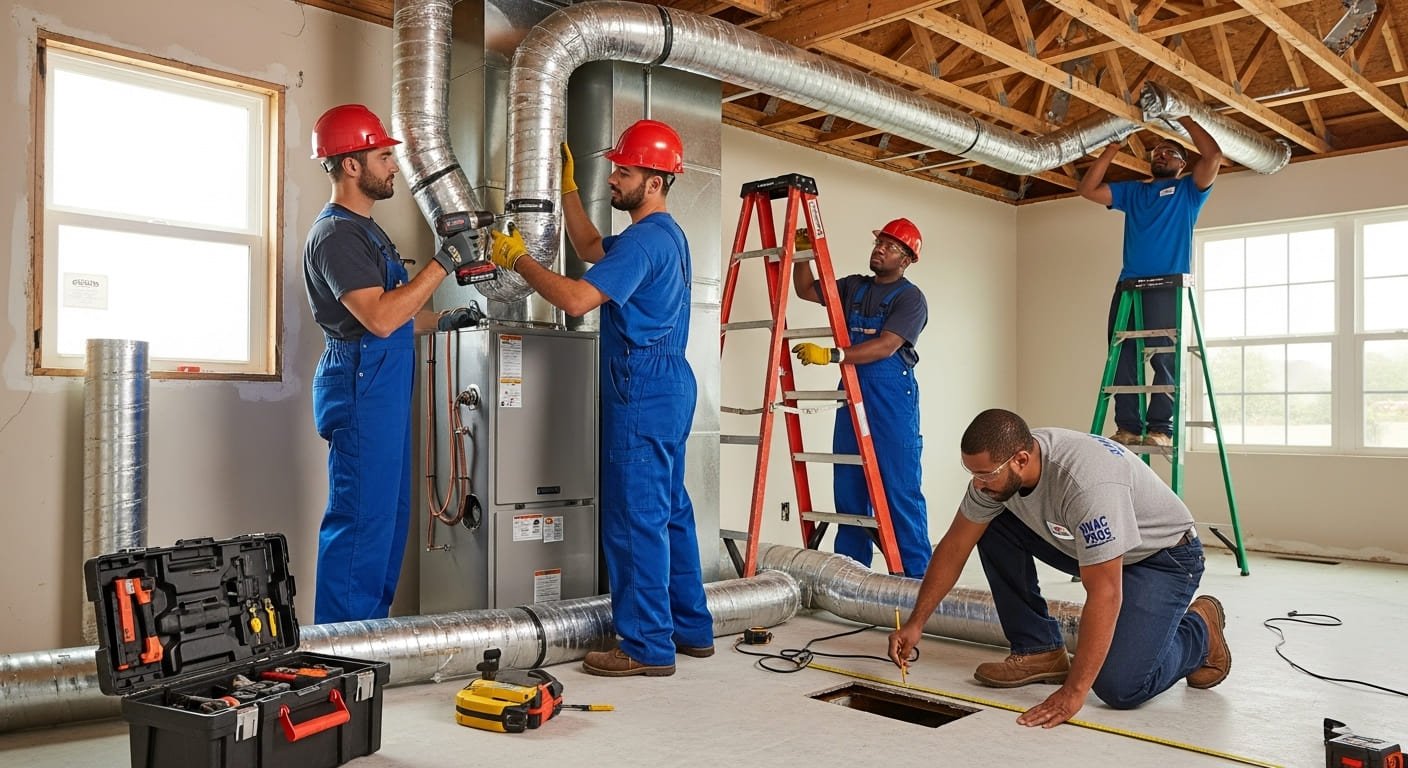
Pick a modern, correctly sized duct heating system with proper zoning and have it installed by someone who actually measures your house (not just guesses from the street). Maintain it yearly. Choose gas if you want the lowest running costs, or reverse-cycle if you want cooling too.
Do those things and your winter nights will feel completely different. You’ll walk inside, the warmth will hit you, and you’ll wonder how you ever lived without it.
That’s not marketing hype. That’s what thousands of Melbourne families experience every June when the temperature drops below 10°C and their duct heating system quietly fires up, turning a cold house into home.