


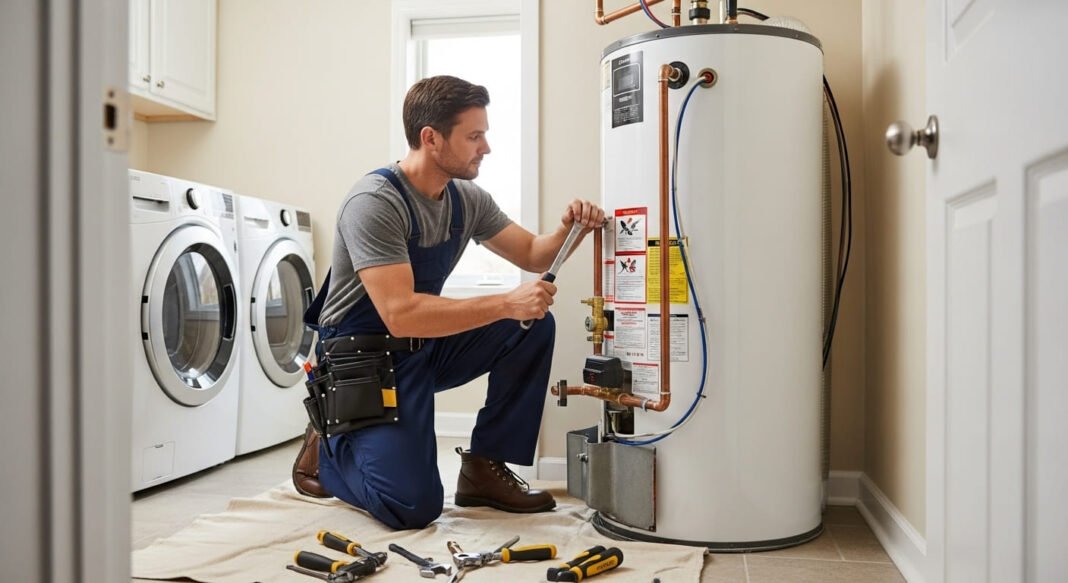
For many Australian households, the humble hot water system is out of sight and out of mind. It sits quietly in the backyard or the laundry, doing its job until the day it stops working or the quarterly electricity bill arrives. With energy prices across the nation climbing and a collective push towards more sustainable living, homeowners are looking for alternatives to the traditional, energy-hungry electric storage tanks. This shift has brought hot water heat pumps into the spotlight as one of the most efficient ways to heat water in the modern home.
Switching to a heat pump is often compared to the transition from incandescent light bulbs to LEDs. It is a technological leap that delivers the same result—a hot shower—using a fraction of the energy. Whether you are building a new home in the suburbs of Melbourne, renovating a Queenslander, or simply looking to replace an aging unit in Sydney, understanding this technology is the key to future-proofing your property against rising costs.
This guide explores the mechanics behind these systems, why they are perfectly suited to the Australian climate, and the tangible benefits they offer to your wallet and the environment.
How Do Hot Water Heat Pumps Actually Work?
To understand the efficiency of hot water heat pumps, you have to change the way you think about heating. Traditional electric and gas systems generate heat. They burn fuel or pass electricity through a resistive element to create warmth. This process is energy-intensive.
A heat pump, on the other hand, does not create heat; it moves it. The technology is essentially a refrigerator working in reverse. While your fridge pulls heat out of the insulated box to keep your food cold and expels that heat into your kitchen, a heat pump pulls heat from the surrounding air and transfers it into the water tank.
The process involves a few key stages:
- Air Intake: A fan draws ambient air into the unit across an evaporator.
- Heat Absorption: The evaporator contains a special refrigerant. This liquid is designed to boil and turn into a gas at very low temperatures. As the air passes over it, the refrigerant absorbs the heat energy from the air and evaporates.
- Compression: This gas is then passed through a compressor. When you compress a gas, its temperature rises significantly. This turns the warm gas into a superheated vapour.
- Heat Transfer: This hot gas flows through a heat exchanger wrapped around or inside the water tank. The heat is transferred from the gas to the water.
- Reset: As the heat is released, the refrigerant cools down and turns back into a liquid, ready to start the cycle again.
Because the system is using electricity only to run the fan and the compressor—not to heat the water directly—it is incredibly efficient. In Australian conditions, high-quality hot water heat pumps can be up to 300% to 400% efficient. This means for every 1kW of electricity you put in, you get 3kW to 4kW of heat energy out.
Why Australian Homes Are Switching
The adoption of this technology is accelerating across Australia, driven by a combination of economic and environmental factors.
Massive Energy Savings
Water heating is often the second largest consumer of energy in an Australian home, accounting for a significant chunk of the electricity bill. By replacing a standard electric storage tank with a heat pump, a household can reduce their hot water energy usage by up to 75%. Over the lifespan of the unit, this translates to thousands of dollars in savings.
The Solar PV Connection
Australia has the highest uptake of rooftop solar in the world. Hot water heat pumps are the perfect partner for a solar PV system. Because a heat pump uses a low, steady amount of power (often similar to a standard hairdryer) rather than a massive spike, it can easily be run entirely off the excess energy generated by your roof panels during the day.
By setting a timer to heat the water between 10 am and 3 pm, you are essentially creating a thermal battery. You use free solar energy to heat the water, which is then stored in the insulated tank ready for your evening shower. This maximizes self-consumption of your solar power and reduces reliance on the grid.
Government Incentives and Rebates
Recognizing the environmental benefits, federal and state governments offer generous incentives to encourage the switch.
- STCs (Small-scale Technology Certificates): Under the federal scheme, installing a high-efficiency heat pump generates certificates that can be traded for a discount at the point of purchase. This can knock a significant amount off the upfront cost.
- State Rebates: Programs like Solar Victoria or the NSW Energy Savings Scheme offer additional rebates for replacing inefficient electric or gas systems with heat pumps.
Is a Heat Pump Right for Your Home?
While the benefits are clear, there are practical considerations to ensure a heat pump is the right fit for your specific property.
Climate Suitability
A common myth is that heat pumps do not work in the cold. While it is true they work hardest when the ambient air is warm, modern systems are designed to operate effectively even in freezing temperatures. Quality units have active defrost cycles that allow them to extract heat from the air even when the thermometer dips below zero. Whether you live in the frosty Southern Highlands or the tropical north, there is a unit designed for your climate.
Installation Requirements
Unlike a standard electric tank that can be tucked away in a cupboard, hot water heat pumps need to breathe. The unit requires a well-ventilated space, usually outdoors, to draw in fresh air and expel the cold exhaust air.
Installation is generally straightforward. If you are replacing an existing electric tank, the heat pump can often use the same plumbing and electrical connections, making it a relatively simple swap for a licensed tradesperson. However, correct placement is vital to ensure adequate airflow and easy access for maintenance.
Noise Considerations
Because these units contain a compressor and a fan, they do make a sound when operating. It is a low hum, similar to the outdoor unit of a split-system air conditioner. Modern units are very quiet, but placement is still important. You would avoid installing the unit directly outside a bedroom window or too close to a neighbour’s fence line to ensure peace and quiet for everyone.
Environmental Impact
For homeowners conscious of their carbon footprint, hot water heat pumps are a superior choice. By using renewable heat from the atmosphere and consuming less electricity, they significantly lower greenhouse gas emissions compared to traditional gas or electric systems.
Moving away from gas appliances is a growing trend in Australian home design. As we push towards an “all-electric” future powered by renewables, replacing a gas hot water system with a heat pump is a significant step towards a net-zero home. It eliminates the need for a gas connection charge and utilizes cleaner energy sources.
Choosing the Right System
When selecting a unit, it is crucial to look at quality and warranty. The Australian market has seen an influx of brands, but not all are built to withstand our harsh conditions.
Look for a system with a stainless steel or vitreous enamel tank that suits your local water quality. If you live in an area with hard water, certain tank types are more resistant to corrosion. Additionally, consider the recovery rate—how quickly the unit can reheat the water after a heavy usage period. A reputable supplier like Wilson Hot Water can help size the system correctly for your family, ensuring you never run out of hot water while maintaining maximum efficiency.
Questions and Answers: Common Questions About hot water heat pumps in Australia
Q: Do heat pumps work at night or on cloudy days?
A: Yes, absolutely. Hot water heat pumps extract heat from the air, not from direct sunlight. As long as there is air flow, they can heat water. They work effectively at night and during cloudy or rainy weather. While they are most efficient during the warmest part of the day, they are designed to provide reliable hot water 24/7, regardless of the weather conditions.
Q: Are heat pumps noisy?
A: Modern heat pumps are engineered to be quiet. Most operate at a noise level between 45 and 50 decibels, which is roughly the sound of a quiet conversation or a refrigerator humming. However, it is important to follow installation guidelines regarding positioning away from sleeping areas to ensure the low hum does not cause a disturbance.
Q: How long does a heat pump last?
A: A high-quality heat pump generally has a lifespan similar to a traditional electric system, typically between 10 and 15 years. Regular maintenance, such as checking the pressure relief valves and clearing debris from the fan intake, will help extend the life of the unit. The warranty period is a good indicator of the manufacturer’s confidence in the product’s longevity.
Q: Can I replace my gas hot water system with a heat pump?
A: Yes, this is a very common upgrade. A licensed plumber and electrician will disconnect the gas unit and install the heat pump. You will need an electrical circuit for the new unit. Switching from gas to a heat pump eliminates gas bills and is a major step toward an all-electric, energy-efficient home.
Q: How much money will I save?
A: The savings depend on your current system, your energy tariff, and your hot water usage. However, shifting from a standard electric storage tank to a heat pump typically saves an average Australian household between $600 and $1000 per year on electricity bills. If you have solar panels, the savings can be even higher.
Conclusion: Your Path to a Successful hot water heat pumps in Australia
The transition to smarter, cleaner energy is well underway in Australia, and your choice of water heater plays a pivotal role in this journey. Hot water heat pumps offer a compelling blend of high performance, low running costs, and environmental responsibility. They take the free heat energy surrounding your home and turn it into a daily luxury.