

Have you ever noticed a few loose tiles on your roof and wondered whether you should grab a ladder or grab your phone to call a professional? Is that small leak in the ceiling something you can fix over the weekend, or is it a warning sign of something more serious? And how do you know when a quick patch job will do the trick versus when you’re putting your home at risk?
These are questions every Australian homeowner faces at some point. Your roof is one of the most critical parts of your home, protecting everything beneath it from harsh sun, heavy rain, and unpredictable storms. Yet it’s also one of the most neglected areas until something goes visibly wrong. The good news is that not every roof issue requires an expensive professional callout. Some minor maintenance tasks are perfectly suited for handy homeowners who don’t mind getting their hands dirty.
In this guide, we’ll walk you through everything you need to know about roof repairs. You’ll learn how to spot the early warning signs of roof damage, which repairs you can safely tackle yourself, and when it’s absolutely essential to call in a licensed professional. We’ll also cover the hidden dangers of DIY roof work, break down typical repair costs across Australia, and share tips for choosing the right roofer. By the end, you’ll have the confidence to make smart decisions that protect both your home and your wallet.
Common Signs Your Roof Repairs Needs Attention
Visible Damage You Can Spot from the Ground
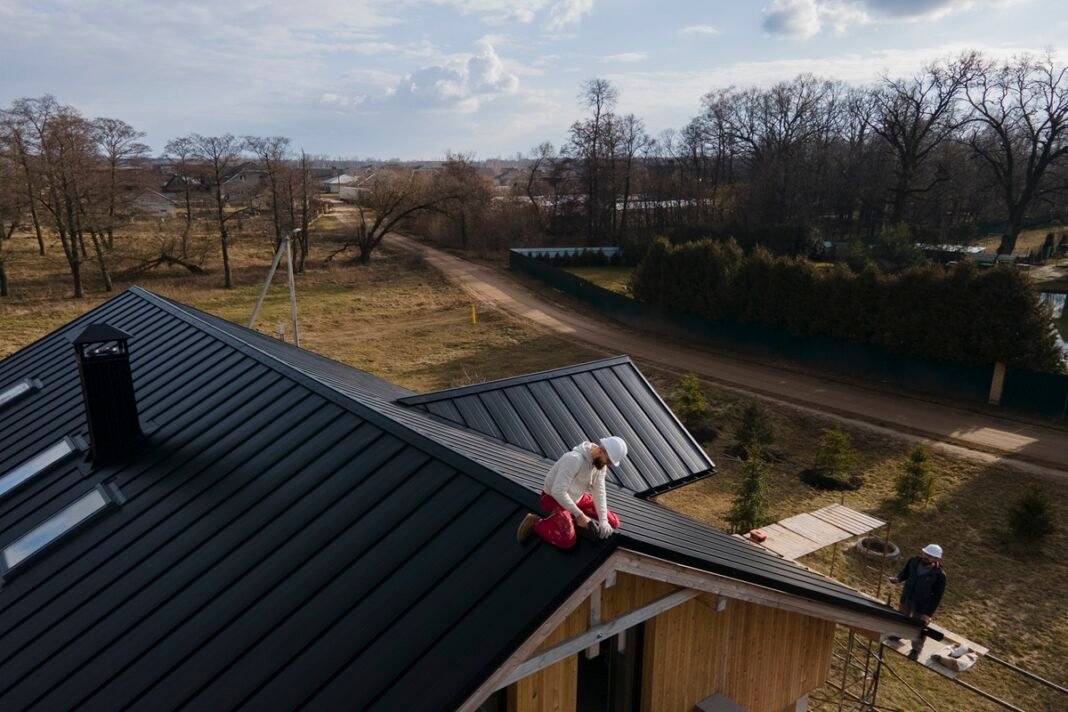
You don’t need to climb onto your roof to spot many common problems. Take a walk around your property and look up. Cracked, broken, or missing tiles are obvious red flags. Similarly, if you notice tiles that have shifted out of position or appear lifted, this could indicate underlying issues with your roof’s structure.
Keep an eye out for sagging areas or visible dips in the roofline—these suggest potential structural damage that needs immediate attention. Also check your gutters and downpipes for accumulated granules or debris, which can signal that your roofing materials are deteriorating.
Interior Warning Signs Not to Ignore
Sometimes the first signs of roof trouble appear inside your home. Water stains on ceilings or walls are classic indicators of a leak. Peeling paint, bubbling wallpaper, or damp patches near the roofline should prompt immediate investigation.
Don’t ignore musty odours in your attic or upper floors, as these often point to hidden moisture problems. If you spot daylight coming through gaps in your roof space, you’ve definitely got issues that need addressing promptly.
How Often Should You Inspect Your Roof Repairs?
Ideally, you should inspect your roof at least twice yearly—once before winter and once after summer. Following severe storms, it’s wise to do a quick visual check for obvious damage. Regular inspections help you catch small problems before they become expensive repairs.
DIY Roof Repairs: What You Can Safely Handle Yourself
Minor Roof Repairs Suitable for Handy Homeowners
If you’re reasonably confident with basic home maintenance, several roof repairs fall within the DIY realm. Replacing individual broken or cracked tiles is manageable for most homeowners. Resealing small gaps around flashings, vents, or skylights with appropriate sealant is another task you can tackle yourself.
Clearing debris from valleys and gutters, applying moss treatment, and replacing worn weatherstripping around roof penetrations are all suitable DIY projects. The key is knowing your limits and never attempting repairs that require you to work near roof edges or on steep pitches.
Essential Tools and Materials for Basic Roof Maintenance
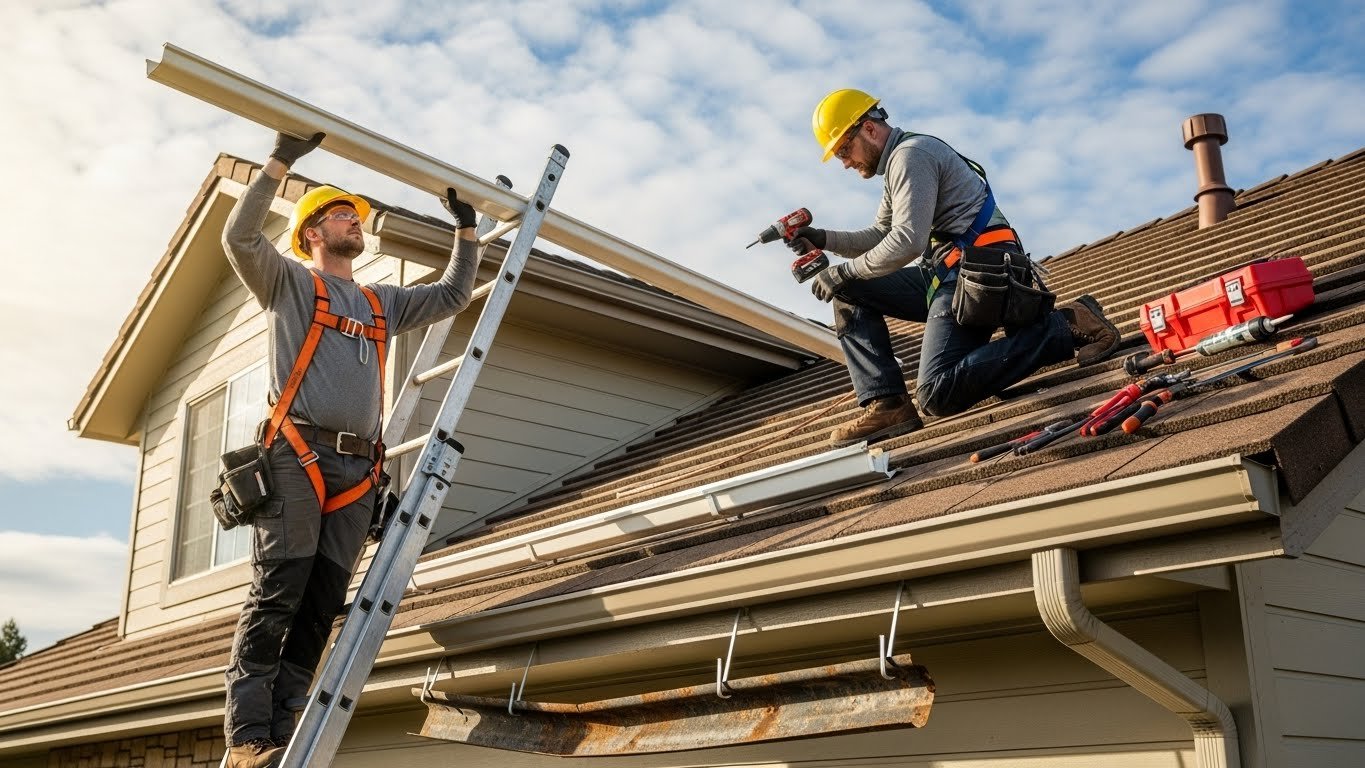
Before starting any DIY roof work, gather the right equipment. You’ll need a sturdy extension ladder with stabilisers, non-slip footwear, and appropriate safety harness if working at height. Basic tools include a pry bar, hammer, roofing nails, replacement tiles matching your existing roof, and quality roofing sealant.
A good pair of work gloves, safety glasses, and knee pads will make the job more comfortable. Always check weather conditions before starting—never work on a wet or windy day.
Step-by-Step Guide to Replacing a Broken Roof Tile
First, carefully lift the tiles overlapping the damaged one using your pry bar. Gently slide out the broken tile, being careful not to damage surrounding tiles. Clean the exposed area of any debris or old mortar.
Slide your new tile into position, ensuring it sits flush with its neighbours. Lower the overlapping tiles back into place. If your tiles are mortared, apply fresh bedding mortar to secure the replacement. Finally, check that water will flow correctly over the repaired area.
Clearing Gutters and Debris: A Simple Maintenance Task
Regular gutter cleaning is perhaps the most important DIY maintenance task. Blocked gutters cause water to back up under roof tiles, leading to leaks and rot. Aim to clear your gutters at least quarterly, or more frequently if you have overhanging trees.
Use a gutter scoop or garden trowel to remove leaves and debris. Flush gutters with a hose to check water flows freely toward downpipes. While you’re up there, inspect gutter brackets and seals for damage.
.jpg "Roof Repairs")
When Should You Call a Professional Roofer?
Structural Damage and Major Leaks
Some problems are simply beyond DIY territory. If you notice sagging roof sections, widespread water damage, or suspect structural timber is compromised, call a professional immediately. Major leaks affecting multiple areas or causing significant interior damage require expert assessment.
Attempting structural repairs without proper knowledge can make problems worse and potentially compromise your home’s safety. A licensed roofer can accurately diagnose the issue and provide appropriate solutions.
Storm Damage Assessment and Roof Repairs
After severe weather events, professional assessment is crucial. Storm damage often extends beyond what’s visible, with hidden issues that can cause ongoing problems if not properly addressed. Insurance claims typically require professional documentation and repairs.
Roofers experienced with storm damage know exactly what to look for and can identify compromised areas you might miss. They’ll also ensure repairs meet building codes and manufacturer specifications.
Working with Different Roofing Materials
Different roofing materials require specialised knowledge. Terracotta tiles are fragile and easily cracked if walked on incorrectly. Colorbond requires specific techniques to avoid damaging protective coatings. Concrete tiles are heavy and require proper handling.
Professional roofers understand these nuances and have the right tools for each material type. Improper handling can void manufacturer warranties and create new problems.
Is It Worth Repairing an Old Roof or Should You Replace It?
This is where professional advice becomes invaluable. A qualified roofer can assess your roof’s overall condition and remaining lifespan. Sometimes patching an old roof is throwing good money after bad, while other times targeted repairs can extend its life significantly.
Factors include the roof’s age, extent of damage, and whether replacement materials are still available. A professional can provide honest advice about the most cost-effective approach.
The Hidden Dangers of DIY Roof Repairs
Safety Risks Every Homeowner Should Consider
Working at height is inherently dangerous. Falls from roofs cause serious injuries and fatalities every year in Australia. Even experienced tradespeople treat roof work with respect, using proper safety equipment and following strict protocols.
Roof surfaces can be slippery, unstable, or weakened in ways that aren’t immediately apparent. Without proper training and equipment, you’re putting yourself at genuine risk.
How DIY Mistakes Can Void Your Insurance
Many home insurance policies have specific clauses about DIY repairs. If you attempt roof work yourself and something goes wrong—whether immediately or years later—your insurer may refuse to cover resulting damage. This could leave you facing substantial costs.
Professional repairs typically come with warranties and documentation that support future insurance claims. It’s worth checking your policy before attempting any DIY roof work.
Can I Fix a Leaking Roof Myself?
Small, easily identifiable leaks from obviously damaged tiles can sometimes be DIY-fixed. However, tracking down leak sources is often trickier than it appears. Water can travel significant distances from entry point to where it becomes visible inside.
If you can’t pinpoint the leak source quickly, or if it persists after your repair attempt, call a professional. Ongoing leaks cause cumulative damage that becomes increasingly expensive to fix.
Choosing the Right Roofing Professional
What to Look for in a Licensed Roof Repair Specialist
Verify your roofer holds appropriate state licensing and current insurance coverage including public liability and workers’ compensation. Check they have experience with your specific roofing material and repair type.
Look for established businesses with physical addresses and professional communication. Industry association memberships can indicate commitment to standards and ongoing training.
Questions to Ask Before Hiring a Roofer
Ask about their experience with similar repairs, expected timeframes, and who will actually perform the work. Clarify payment terms—avoid anyone demanding full payment upfront. Discuss access requirements and how they’ll protect your property during work.
Request details about cleanup and disposal of old materials. A professional should answer these questions confidently and provide clear documentation.
Understanding Warranties and Guarantees
Quality roofers stand behind their work with meaningful warranties. Understand what’s covered, for how long, and what might void the warranty. Material warranties from manufacturers are separate from workmanship guarantees.
Get warranty terms in writing before work commences. Reputable roofers are happy to provide this documentation.
Preventative Roof Maintenance: Avoiding Costly Repairs
Seasonal Maintenance Tips for Australian Climates
Before summer, check ventilation is working properly to prevent heat damage. Clear gutters of winter debris and inspect for rust or corrosion. After autumn, remove accumulated leaves before winter rains arrive.
Following storm season, conduct thorough inspections for damage. Regular maintenance extends your roof’s lifespan and helps you catch problems early.
How Long Does a Roof Repairs Last?
Quality repairs using appropriate materials can last decades. However, longevity depends on the original problem, repair quality, and ongoing maintenance. Patch repairs on ageing roofs may buy time but won’t last as long as repairs on newer structures.
Regular inspections help monitor repaired areas and catch any recurrence early.
Making the Smart Choice for Your Home
Deciding between DIY and professional roof repairs ultimately comes down to honest self-assessment. Simple tasks like gutter cleaning, replacing individual tiles, and applying sealant to minor gaps are manageable for careful homeowners with basic skills. These small maintenance jobs can save you money and help you stay connected with your home’s condition.
However, when repairs involve structural elements, major leaks, storm damage, or working in dangerous positions, professional help is the smart choice. The risks of getting it wrong—personal injury, voided insurance, and expensive ongoing damage—far outweigh any potential savings. Licensed roofers bring expertise, proper equipment, and accountability that DIY simply can’t match.
Your roof protects everything you value. Treat it with respect, maintain it regularly, and know when to step back and let the experts take over. Whether you’re reaching for your toolbox or your phone, making informed decisions keeps your home safe, dry, and standing strong for years to come.