


Have you ever completed a DIY project only to find your screws rusting away within months? Are you wondering why your outdoor deck fasteners seem to be failing prematurely? Perhaps you’re planning a new project and want to make sure your fixings stand the test of time?
Galvanised chipboard screws are a popular choice for both indoor and outdoor projects across Australia. They offer excellent corrosion resistance and grip, making them ideal for timber applications. However, even the best galvanised screws can fail if you don’t take proper care during selection and installation.
In this guide, we’ll explore everything you need to know about maximising the lifespan of your chipboard screw galvanised sydney. From understanding how galvanisation works to choosing the right screw for your specific project, you’ll discover practical tips that will save you time, money, and frustration. We’ll also cover common mistakes to avoid and maintenance practices that keep your fasteners in top condition for years to come.
Understanding Galvanised Chipboard Screws
What Are Galvanised Chipboard Screws?
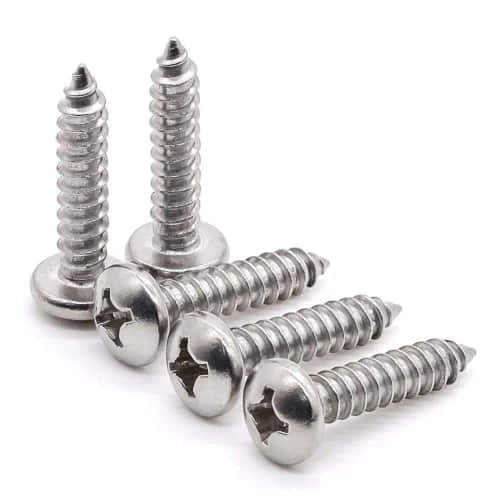
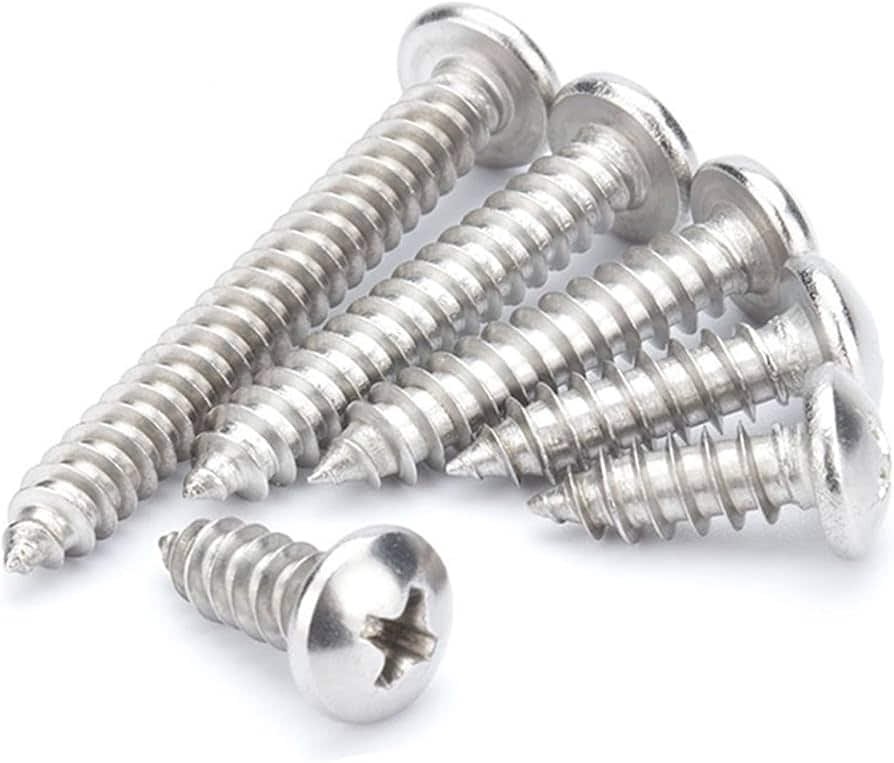
Galvanised chipboard screws are fasteners designed specifically for timber and chipboard applications. They feature a coarse thread pattern that provides excellent holding power in wood fibres. The galvanised coating sets them apart from standard steel screws by providing a protective barrier against rust and corrosion.
These screws come in multiple sizes and lengths to suit different projects. Whether you’re building a garden shed, installing decking, or constructing furniture, there’s a galvanised chipboard screw that fits the job.
How Does Galvanisation Protect Against Corrosion?
Galvanisation involves coating steel with a layer of zinc. This zinc layer acts as a sacrificial barrier, meaning it corrodes before the underlying steel does. When exposed to moisture and oxygen, the zinc slowly oxidises, keeping the steel protected underneath.
The zinc coating also offers cathodic protection. Even if the coating gets scratched or damaged, the zinc will corrode preferentially to protect any exposed steel. This self-healing property makes galvanised screws particularly reliable for demanding applications.
Types of Galvanised Coatings: Hot-Dip vs Electroplated
Not all galvanised coatings are created equal. Hot-dip galvanising involves submerging screws in molten zinc, creating a thick, durable coating. This method provides superior protection and is ideal for harsh outdoor environments.
Electroplated galvanising, on the other hand, uses an electrical current to deposit zinc onto the screw surface. While this creates a thinner, more uniform finish, it offers less protection than hot-dip methods. For critical outdoor applications, always opt for hot-dip galvanised screws.
Common Causes of Galvanised Screw Failure
Environmental Factors: Moisture, Salt Air, and Humidity
Australia’s diverse climate presents unique challenges for fasteners. Coastal areas with salt-laden air can rapidly degrade galvanised coatings. High humidity levels accelerate oxidation, while standing water around screws creates constant moisture exposure.
Even inland areas experience significant temperature fluctuations that cause expansion and contraction. This movement can crack or damage protective coatings over time, leaving screws vulnerable to corrosion.
Incompatible Materials and Galvanic Corrosion
Mixing different metals is a recipe for disaster. When galvanised screws contact dissimilar metals like copper or brass, galvanic corrosion occurs. This electrochemical reaction accelerates deterioration far beyond normal wear.
Treated timber can also cause problems. Some timber treatments contain copper compounds that react with zinc coatings. Always check material compatibility before starting your project to avoid premature failure.
Poor Installation Practices
Over-tightening screws damages both the thread and the galvanised coating. This exposes raw steel to moisture and dramatically reduces screw lifespan. Similarly, not pre-drilling in hardwoods creates excessive stress on the fastener.
Using the wrong screw length or gauge for your application compromises holding power. Undersized screws work harder than they should, while oversized ones can split timber and damage their own protective coating during installation.
How Long Do Galvanised Chipboard Screws Last?
Expected Lifespan in Different Conditions
Under ideal indoor conditions, chipboard screw galvanised can last 20 years or more. Protected from moisture and temperature extremes, the zinc coating remains intact indefinitely.
Outdoor applications are more demanding. In mild, dry climates, expect 10-15 years of reliable service. However, coastal or tropical environments may reduce this to just 5-7 years without proper precautions.
Indoor vs Outdoor Applications
Indoor screws face minimal stress from environmental factors. Furniture, cabinetry, and interior framing benefit from stable conditions that preserve galvanised coatings.
Outdoor applications demand more robust solutions. Decking, fencing, and pergolas experience constant weather exposure. For these projects, consider upgrading to hot-dip galvanised or stainless steel alternatives for maximum durability.
Best Practices for Maximising Screw Longevity
Choosing the Right Screw for Your Project
Selecting the appropriate screw is half the battle. Consider the environment, load requirements, and materials involved. For exterior projects in harsh conditions, always choose screws with thicker galvanised coatings.
Check the manufacturer’s specifications for coating thickness and corrosion resistance ratings. Premium screws may cost more initially but deliver significantly better long-term value.
Proper Pre-Drilling Techniques
Pre-drilling is essential for hardwoods and dense materials. Use a drill bit slightly smaller than the screw’s core diameter to create a pilot hole. This reduces stress on both the timber and the screw.
Countersinking allows screw heads to sit flush with the surface, protecting them from direct weather exposure. A quality countersink bit creates clean, consistent recesses every time.
Avoiding Over-Tightening and Thread Damage
Stop driving when the screw head sits snugly against the timber. Over-tightening strips threads, damages coatings, and actually reduces holding power. Use a torque-limited drill setting for consistent results.
If a screw starts spinning without tightening, remove it and use a slightly longer or larger gauge fastener. Never force a damaged screw, as this compromises the entire joint.
Using Compatible Timber and Materials
Always match your screws to your materials. For treated pine, use screws specifically rated for treated timber applications. Standard galvanised screws may corrode rapidly when exposed to copper-based preservatives.
Avoid mixing metal types in the same assembly. If you must use different materials, include appropriate barriers or insulators to prevent galvanic corrosion.
Can You Use Galvanised Screws in Treated Timber?
Understanding Chemical Reactions with Treated Pine
Modern timber treatments often contain copper compounds like copper azole or alkaline copper quaternary. These chemicals react with zinc coatings, causing accelerated corrosion that can fail screws within just a few years.
The reaction occurs because copper is more noble than zinc in the galvanic series. When moisture bridges the two materials, an electrochemical cell forms, rapidly consuming the zinc coating.
Recommended Screw Types for Australian Treated Timber
For treated timber applications in Australia, look for screws specifically marketed as “treated pine compatible.” These typically feature enhanced coatings or different alloy compositions that resist copper-based treatments.
Alternatively, stainless steel screws eliminate compatibility concerns entirely. While more expensive, they provide peace of mind for critical structural applications where failure isn’t an option.
Are Galvanised Screws Suitable for Outdoor Use?
Coastal and High-Humidity Environments
Standard galvanised screws struggle in coastal environments. Salt air accelerates zinc corrosion dramatically, often reducing lifespan by 50% or more compared to inland locations.
For projects within 1-5 kilometres of the ocean, upgrade to marine-grade fasteners. These feature thicker coatings or alternative materials designed specifically for salt exposure.
When to Upgrade to Stainless Steel
Consider stainless steel when your project faces severe environmental challenges. Coastal locations, swimming pool surrounds, and areas with chemical exposure all benefit from stainless steel’s superior corrosion resistance.
Stainless steel costs more upfront but eliminates replacement costs and maintenance headaches. For structural applications or difficult-to-access locations, the investment pays for itself quickly.
Maintenance Tips to Extend Screw Life
Regular Inspections and Early Warning Signs
Check your fasteners annually for signs of corrosion. White powdery deposits indicate zinc oxidation, while red-brown staining signals the underlying steel has started rusting.
Loose screws or timber movement around fixings suggests compromised holding power. Address these issues promptly before they escalate into structural problems.
Protective Coatings and Sealants
Applying deck oils or timber sealants helps protect both wood and fasteners from moisture. These products create additional barriers against water penetration.
For critical applications, consider using screw cap covers or plugging screw holes with treated timber dowels. These methods shield screw heads from direct weather exposure.
Investing in Quality for Long-Lasting Results
Selecting the right galvanised chipboard screws and installing them correctly makes a significant difference in how long your projects last. From understanding coating types to matching screws with compatible materials, every decision impacts longevity.
Taking time to pre-drill, avoid over-tightening, and perform regular maintenance extends the life of your fasteners considerably. These simple practices prevent premature failure and protect your investment in materials and labour.
Whether you’re tackling a weekend DIY project or building something more substantial, quality screws and proper techniques deliver results that stand the test of time. Choose wisely, install carefully, and your galvanised chipboard screws will serve you well for years to come.

