

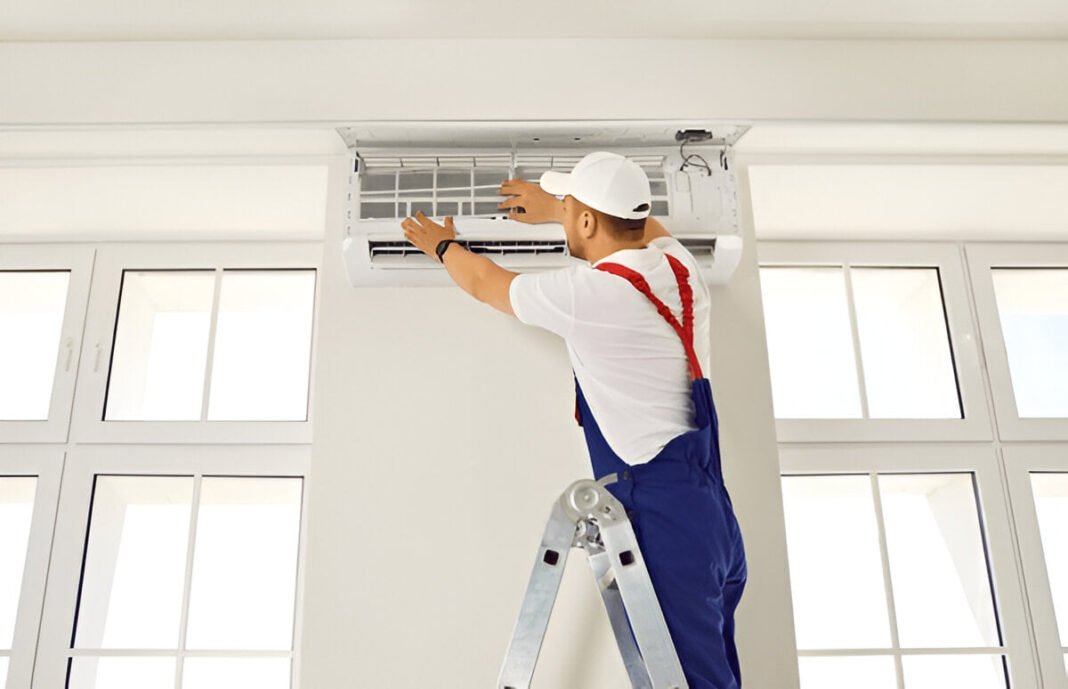
Looking to tackle a split system installation in your Melbourne home? Below you’ll find a step-by-step walkthrough that covers everything from planning the layout to commissioning the unit all written in a plain-talk style that mirrors a chat over the phone. We’ll dig into indoor-unit placement outdoor-unit siting refrigerant-line routing electrical wiring safety, & the post-install routine while sprinkling in local Melbourne quirks that affect performance.
1. Planning Your Split System Installation
Before you crack open the toolbox, a solid plan saves you time and headaches. In Melbourne’s temperate climate, a well-sited split system can keep you comfortable from the hot January spikes to the chilly June evenings. The planning stage also helps you decide whether you need a licensed HVAC installer Melbourne to handle the electrical hookup, which is a requirement for any permanent split system installation.
- Map the room where the indoor unit will sit – consider furniture layout and traffic flow.
- Identify a sturdy external wall that can support the outdoor condenser without obstructing airflow.
- Check the distance between indoor and outdoor units – keep it under 15 m to avoid excessive pipe length.
- Confirm that the switchboard has spare capacity for a dedicated circuit.
- Mark the exact height for the indoor wall – typically 2.1 m above the floor for optimal airflow.
From what I’ve seen, most Melbourne houses have a brick veneer wall that can take a simple wall chase for the refrigerant lines. If you’re in a weatherboard suburb like St Kilda, you may need a deeper chase to protect the timber from moisture.
2. Choosing the right indoor unit placement
Indoor placement isn’t just about looks; it determines how well the air circulates and how quiet the unit feels. In a typical Melbourne double-storey, the best spot is on an interior wall away from direct sunlight, which can cause the thermostat to think the room is hotter than it actually is.
- Height: 2.0 – 2.2 m from the floor gives a balanced airflow pattern.
- Clearance: Leave at least 10 cm on all sides for service access.
- Wall type: Brick or concrete walls are ideal; for timber walls, use a metal frame to avoid drilling into studs.
- Aesthetic integration: Choose a colour that matches the surrounding plaster or use a decorative grille.
But don’t forget to keep the unit away from high-traffic zones and kitchen cooking hoods. Ah, in melbourne’s inner suburbs, many rooms have built-in shelving that can block airflow if the unit sits too low.
3. Outdoor Unit Siting for Melbourne’s Weather
Outdoor placement is where the climate really matters — Melbourne’s occasional heavy rain and winter frost mean the condenser needs a dry, well-ventilated spot that stays above ground level — A shaded location under a eave reduces sun exposure and improves efficiency, but make sure the shade doesn’t trap heat around the unit.
- Clearance: Minimum 30 cm around the unit for airflow.
- Flood risk: Avoid low-lying areas near the Yarra River or backyards that collect runoff.
- Noise mitigation: Install the unit on a rubber pad or vibration isolators to cut wall noise for neighbours.
- Roof-mount option: For tight backyards, a roof-mount bracket can keep the unit out of reach of kids and pets.
In the northern suburbs like Preston, you’ll often find homes with a small patio that can host the outdoor unit under a pergola, provided there’s at least 45 cm of clearance from the roof tiles.
4. Running the Refrigerant Lines and Condensate Drain
Routing the refrigerant lines is a core part of split system installation. Melbourne’s homes usually have a cavity wall that lets you run a wall chase, but in some older terrace houses you may need to go up through the ceiling and drop down a conduit.
- Wall chase: Cut a 60 mm wide channel, line it with insulation, and seal with silicone.
- Ceiling chase: Use a flexible conduit that can be threaded through joists.
- Pipe length: Keep the total length under 15 m to maintain charge efficiency.
- Insulation: Wrap the copper lines with foam pipe insulation to prevent condensation.
- Condensate drain: Gravity drain works if the outdoor unit is lower than the indoor unit; otherwise install a small condensate pump.
When sealing the chase, use a weather-proof silicone that can handle Melbourne’s summer UV & winter rain — A common mistake is forgetting to slope the drain pipe at 1 cm per metre, which leads to water pooling in the indoor unit.
5. Electrical Wiring & Safety Precautions
Electrical work is the part that most DIYers hesitate about, and for good reason. A split system installation must be wired to a dedicated 15 A circuit with a proper breaker. In Melbourne, the switchboard is usually located in the garage or hallway, so plan the cable route accordingly.
- Use 2.5 mm² twin-and-earth cable for the main feed.
- Install a separate conduit from the switchboard to the outdoor unit.
- Fit a residual-current device (RCD) for extra protection.
- Wear safety glasses gloves and a dust mask when drilling into walls.
- Check for refrigerant leaks with a handheld detector before finalising the connection.
But remember, if you’re not a licensed electrician, you must call a licensed HVAC installer Melbourne to handle the final connection. This not only keeps you safe but also protects the manufacturer’s warranty.
6. Commissioning and Testing the System…
Once everything is in place, the commissioning stage verifies that the split system installation works as intended. You’ll need a vacuum pump & manifold gauge set to evacuate the line, then charge it with the correct refrigerant – most modern units use R32, which has a lower global warming potential than older R410A.
- Vacuum the line for at least 30 minutes to remove moisture.
- Charge the system according to the manufacturer’s specifications.
- Turn on the indoor unit and check for steady airflow & correct temperature drop.
- Use a handheld thermometer to confirm the evaporator coil is cooling properly.
- Integrate the Wi-Fi module if the unit supports smart-home control – you can link it to Alexa or Google Home.
During commissioning, listen for any rattles or humming noises that could indicate a loose mount or a refrigerant leak. A quick visual check of the outdoor fan blades for debris will also save you a future service call.
7. Ongoing Maintenance and Warranty Care
Maintenance is what keeps a split system installation running efficiently year after year. Melbourne’s seasonal swings mean you should inspect the unit before summer and again before winter.
- Clean or replace the indoor filter every 4–6 weeks during hot months.
- Wipe the outdoor condenser coils with a soft brush and a garden hose – avoid pressure washers.
- Check the condensate drain for blockages each spring.
- Schedule a professional service at least once a year – a licensed HVAC installer Melbourne can test refrigerant pressure and clean the heat exchanger.
- Document all service visits; this paperwork is required to keep the warranty valid.
Energy-efficient split systems in Melbourne can cut electricity use by up to 30 % compared with older fixed-speed units, especially when you pair them with a smart thermostat that learns your occupancy patterns.
Case Study: Melbourne Suburb Upgrade
Sarah lives in a three-bedroom brick house in the suburb of Brunswick she wanted a reliable cooling solution for her home office & the master bedroom without installing a costly ducted system. After a quick site assessment, she chose an inverter split system with a 2.5 kW indoor unit for the office and a 3.5 kW unit for the bedroom.
During the split system installation, the installer ran the refrigerant lines through a wall chase behind the kitchen’s external wall, keeping the pipe length under 12 m. The outdoor condenser was sited on a concrete pad under the eave of the rear garage, with a rubber isolator to dampen noise for neighbours.
Post-installation, Sarah noticed a noticeable drop in her electricity bill during the summer months. The inverter technology adjusted compressor speed based on real-time demand, keeping the indoor temperature steady without the “on-off” cycling of older units. She also integrated the system with her Alexa device, allowing voice control for temperature changes.
Six months later, a routine service confirmed that the refrigerant charge was spot-on and the indoor filters were clean. The installer recorded the service, preserving the manufacturer’s warranty. Ah, sarah now recommends a split system installation to friends in nearby suburbs, noting the quick installation time – about four hours total – & the quiet operation even at full fan speed.
Comparison: Inverter vs Fixed-Speed Split Systems
| Feature | Inverter Split System | Fixed-Speed Split System |
| Energy Use | Variable compressor speed – up to 30 % lower electricity consumption. | Compressor runs at full speed – higher electricity draw. |
| Comfort | Smoother temperature control, less temperature swing. | On/off cycling can cause noticeable temperature changes. |
| Noise | Quieter, especially at low speeds. | Louder due to constant full-speed operation. |
| Initial Cost | Higher upfront price. | Lower upfront price. |
| Suitability for Melbourne | Excellent for variable summer heat & winter chill. | Works but less efficient during mild days. |
Conclusion
Doing a split system installation yourself in Melbourne is doable if you follow a clear plan, respect the local climate, and stick to safety basics. From choosing the right indoor height to positioning the outdoor unit under a shade-friendly eave, every decision impacts performance and longevity. Remember to run the refrigerant lines through a proper chase, wire the unit to a dedicated circuit, and commission the system with a vacuum pump and pressure gauge — Ongoing maintenance – filter cleaning, coil checks, & annual professional service – will keep the unit humming efficiently for years.
When in doubt, bring in a licensed HVAC installer Melbourne for the electrical hookup or final commissioning. I mean, that way you protect your warranty and ensure the installation meets local safety expectations. With the right approach, a split system installation can turn a hot summer day in Fitzroy or a chilly winter night in Glen Waverley into a comfortable indoor experience, all while keeping your energy bills in check.