

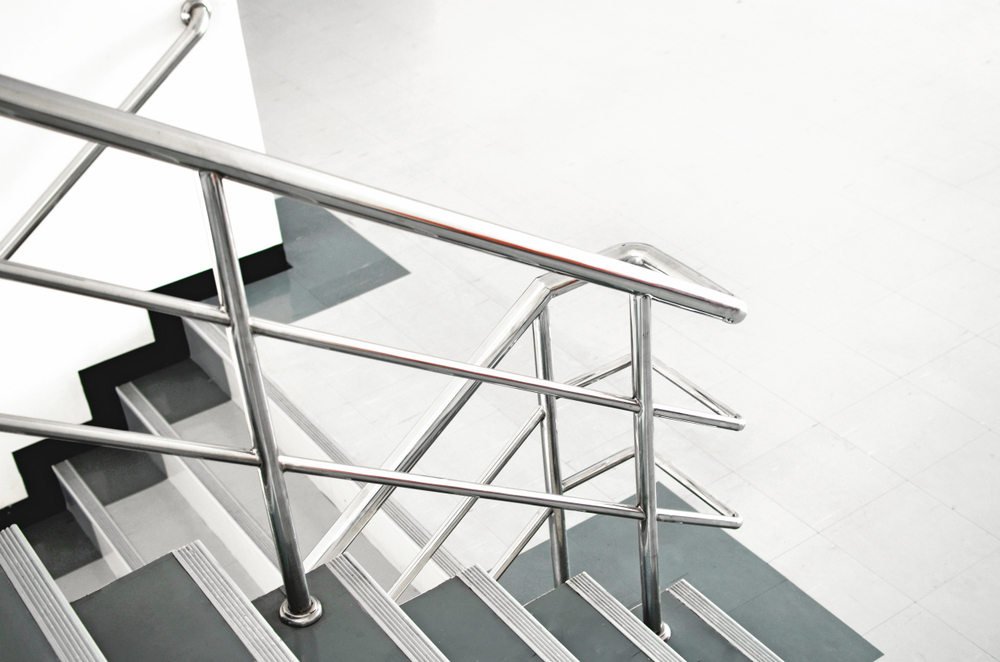
Choosing the right stainless steel balustrade in Melbourne means balancing style durability and the city’s fickle weather and it starts with knowing the material’s strengths, and in this article I’ll walk you through five insider tips that most designers keep close to the chest from matching local architecture to picking a finish that won’t fade under the coastal breeze of St Kilda. You’ll also get a quick rundown of installation basics maintenance hacks and where to find reputable local suppliers. By the end you’ll be able to pick a stainless steel balustrade that looks sharp lasts long and complies with council guidelines without a fuss.
Understanding the Local Climate & Materials
Melbourne’s climate is a roller‑coaster – hot summers, wet winters & a salty sea breeze that can creep inland, especially in bayside suburbs like Brighton. That’s why stainless steel, with its corrosion‑resistant alloy, is a top choice for both indoor railings & outdoor balcony railings. From what I’ve seen, a 304‑grade stainless steel balustrade holds up better than 316 in most residential projects, but if you’re on a cliff‑side property in Port Phillip, the extra molybdenum in 316 can make a real difference.
- 304 grade – good for most Melbourne homes easy to clean.
- 316 grade – ideal for high‑salinity zones, like South‑bank waterfront.
- Passivated finish – adds an extra protective layer against rust.
Another factor is thermal expansion. In a summer heatwave, a 3‑meter stainless steel rail can expand up to 2 mm. If the fixings are too tight, you’ll hear creaking. See, that’s why we always recommend a small allowance at the end posts. And don’t forget the UV factor – a matte finish will hide surface scratches better than a high‑gloss polished look.
Secret 1: Match the Architectural Style
Melbourne’s streetscapes range from ornate Victorian terraces in Fitzroy to sleek modern apartments in South Yarra. A stainless steel balustrade can be tailored to echo either vibe — For heritage homes, a thin, ornamental rail with a subtle brushed finish blends nicely with timber staircases. In contrast, a minimalist glass‑to‑glass railing with a slim stainless steel handrail feels right at home in a contemporary loft.
- Victorian terraced houses – thin, decorative posts, often combined with wrought‑iron accents.
- Modern apartments – clean lines, hidden fixings, glass panels.
- Laneway houses – compact, high‑traffic railings that can be powder‑coated for extra grip.
And if you’re renovating a balcony in a high‑rise building, the local council often expects a clear view. In that case, opt for a frameless glass balustrade supported by slender stainless steel posts. It keeps the sightline open while still meeting safety standards. But remember, the design should also suit the homeowner’s lifestyle – a family with kids might prefer a slightly taller rail and a non‑slip tread.
Secret 2: Choose the Right Finish and Profile
The finish you pick isn’t just about looks; it’s about performance in Melbourne’s variable climate. A polished finish looks stunning in a boutique café on Degraves Street but it shows fingerprints and water spots more quickly than a brushed finish. A matte or satin finish on the other hand hides minor blemishes and is less reflective on a sunny balcony in St Kilda.
- Polished – high shine, best for indoor staircases.
- Brushed – subtle texture, good for outdoor balustrades.
- Matte – low glare, excellent for high‑traffic areas.
Profile matters too. A classic rectangular tube (50 mm × 30 mm) works well for most residential stairs, while a circular post (Ø 38 mm) gives a softer, more organic feel on a garden deck. And if you need a handrail that’s comfortable to grip, consider a rounded edge radius of 5 mm – it reduces hand fatigue on long balconies.
Secret 3: Pay Attention to Fixings and Structural Integrity
Most homeowners overlook the importance of proper fixings, but in a city prone to occasional strong winds, a weak joint can become a safety hazard. Stainless steel balustrade posts should be anchored into the concrete slab with a stainless steel embed plate and a stainless steel screw that’s at least 80 mm long. In older brick homes, a core drill and a chemical anchor give a solid grip without cracking the masonry.
- Use stainless steel screws – avoid galvanised ones that can corrode.
- Spacing – keep post spacing under 1.2 m for residential compliance.
- Hidden brackets – allow a clean look while maintaining strength.
And if you’re installing a handrail on a balcony, make sure the post base sits on a waterproof membrane to prevent moisture wicking into the concrete. Look, this is especially crucial in the inner‑city laneways where the ground can stay damp for weeks after a rainstorm.
Secret 4: Think About Maintenance and Longevity
Stainless steel is low‑maintenance, but “low” doesn’t mean “no effort”. In Melbourne’s coastal suburbs, salt spray can leave a thin white film on the surface. A simple rinse with a garden hose and a soft cloth will keep the rail looking fresh. For stubborn grime, a mild detergent mixed with warm water works wonders – avoid abrasive pads that can scratch the finish.
- Monthly rinse – removes dust and salt.
- Quarterly wipe‑down – use a non‑abrasive cleaner.
- Annual inspection – check for loose fixings & signs of corrosion.
Honestly, the biggest mistake I see is using a pressure washer on a brushed finish – it creates tiny swirl marks that are hard to polish out. Instead, a low‑pressure spray and a microfiber cloth do the job without damaging the surface. If you spot a small rust spot, a quick application of a stainless steel passivation solution will restore the protective layer.
Secret 5: Work With Local Specialists Who Know the Regulations
Melbourne’s building code has specific requirements for balustrade height – 1 m for residential stairs and 1.1 m for balconies. A qualified installer will know how to measure and cut the stainless steel panels to meet these standards without costly re‑work. And because each council can have its own aesthetic guidelines, especially in heritage precincts like the CBD, a specialist familiar with local approvals can fast‑track the paperwork.
- Check council design guidelines – especially for heritage zones.
- Hire a certified installer – look for a licence number on their website.
- Ask for a compliance certificate – it’s required for final inspection.
But don’t just pick the first company you find online. Look for firms that have a track record of installing custom stainless steel railings Australia projects, especially those that have done outdoor stainless steel balustrades for high‑rise apartments. Their portfolio will show you whether they can handle complex angles and glass‑to‑steel connections.
Installation Process: From Planning to Finishing Touches
Here’s a quick run‑through of what a typical stainless steel balustrade installation looks like in Melbourne. First, the designer will take precise measurements on site – we always double‑check the height at three points to account for floor level variations. Honestly, next, a detailed shop drawing is produced, showing each post, handrail, and any glass panels.
- Site survey – verify dimensions and note any obstacles.
- Fabrication – cut and finish the stainless steel components in a climate‑controlled workshop.
- Delivery – schedule a morning slot to minimise disruption.
During installation, the crew will use a laser level to ensure the handrail is perfectly horizontal. For outdoor balustrades, a temporary scaffold is erected, and all fixings are tightened to the manufacturer’s torque specifications – typically 10 Nm for post screws. To be honest, once the rail is in place, a final polish with a soft cloth removes any fingerprints from handling.
Repair and Restoration Services in Melbourne
Even the best stainless steel balustrade can suffer dents or scratches over time, especially on high‑traffic laneway properties. Services usually involve sanding the affected area with a fine‑grit pad, then applying a matching finish coat. For deeper dents, the metal can be gently hammered back into shape using a rubber mallet – a technique I’ve seen work well on older Victorian posts.
- Dent removal – use a rubber mallet and a backing block.
- Scratch polishing – start with 400 grit, finish with 1500 grit.
- Re‑passivation – restores the protective oxide layer.
And if a post has corroded at the base due to water ingress, the fix is to remove the old anchor, treat the concrete with a waterproof sealant, & reinstall a stainless steel embed plate. This approach has saved many homeowners from costly replacements on their balconies in St Kilda and Port Melbourne.
Finding the Best Stainless Steel Balustrade Suppliers in Melbourne
When it comes to sourcing the material, look for suppliers that stock both 304 and 316 grades and can offer custom cutting on site. Companies based in the industrial precinct of West Melbourne often have larger inventory and can provide faster turnaround times. I’ve noticed that firms that also supply architectural steel railings Melbourne tend to have a more robust quality control process, which is a good sign of reliability.
- Local showrooms – you can see finish options in person.
- Online catalogues – many now include 3‑D visualisers.
- Delivery service – choose a supplier that can deliver directly to the job site.
But don’t just chase the biggest brand. A smaller, family‑run metalworks in Collingwood can give you a more personalised service & may even offer a free design consultation. The key is to check their past projects – look for completed stainless steel handrail for balconies in the Docklands area, for example, to gauge their expertise.
Conclusion
Choosing the perfect stainless steel balustrade for a Melbourne home is about more than just picking a shiny rail. It means understanding the local climate, matching the architectural style, selecting the right finish, ensuring solid fixings, planning for easy maintenance, and working with specialists who know the council rules. Follow the five insider secrets I’ve outlined, & you’ll end up with a balustrade that looks great, stands up to salty sea breezes, and keeps your family safe for years to come. Remember, the right stainless steel balustrade is an investment in both aesthetics & durability – and in Melbourne, that combination is priceless.