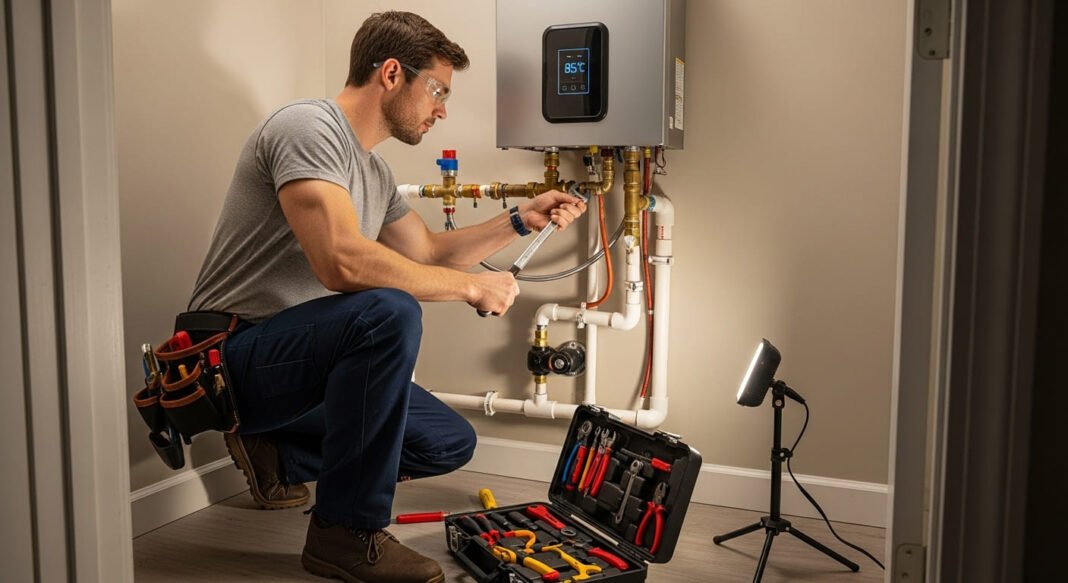



Keeping a large‑scale office tower or a bustling warehouse running smoothly means tackling a mix of mechanical, electrical, and structural tasks that never truly stop, and that’s why Commercial building maintenance melbourne Is a term you’ll hear constantly in the industry; from the moment a lease is signed, a solid maintenance plan must address everything from roof drainage to fire‑door inspections, and the best providers will weave those responsibilities into a single, proactive schedule that saves you headaches and costly repairs down the line.
Understanding commercial building maintenance melbourne requirements
Most property owners start by mapping out the specific obligations that apply to high‑rise office blocks, retail strips. And industrial sites, because the local council’s building safety code, the WorkSafe regulations. And the Australian Standards all intersect in different ways; the thing is, a thorough audit of the building’s age, construction type. And occupancy pattern will highlight which areas need the most frequent checks, and that audit becomes the backbone of a reliable maintenance programme.
From what I’ve seen, owners who skip the initial deep‑dive often end up with duplicated effort or missed inspections, especially when older brick façades hide water ingress that only a moisture‑meter can detect; a systematic approach that logs every asset, tags it with a service frequency, which is why it pays to read the fine print before you commit to commercial building maintenance melbourne. And assigns a responsible technician makes it far easier to stay on top of compliance and to prove due diligence during audits.
Key components of a preventive maintenance schedule
Ever wonder how a busy lobby stays on track? A solid preventive plan splits tasks by system and risk, so you know what to watch first. You might do a quick visual check every day, then grease the freight‑elevator chains once a week to keep things moving smoothly. Fire‑alarm panels get a quarterly test, matching the maker’s guide and real usage. That means a 24‑hour data centre follows a tighter schedule than a quiet boutique office, and the gap can be huge.
And a cloud‑based work‑order app pings the crew right when they need it. A buzz at nine does the trick, so nobody forgets a critical test. Each ping writes an electronic log, letting auditors actually see you’re on top of things. You can also see who did what and when, cutting guesswork out of the whole process.
Preventive maintenance contracts
Before you lock in a preventive contract, what should you watch for? Fine print hides response times, exact scope and any sneaky exclusions, so read it carefully. Vague language blows up when a sudden breakdown hits, making an annual‑review clause a lifesaver. Keeping that in view makes every conversation you’ve about commercial building maintenance melbourne noticeably more productive. Walk the site with a phone checklist; spotting a flickering exit sign on a lunch break can fire a ticket before a code violation. And remember a gym’s sprinkler may need monthly checks while a law firm is fine with quarterly.
After twelve months, pull the work‑order report and line it up with the plan you set. If HVAC filter changes are missing, tweak the schedule now instead of waiting for a breakdown. A quick debrief after each job keeps everyone on the same page. Train the staff on the new tweaks, and you’ll see the savings pile up faster than you’d expect.
Managing HVAC and electrical systems
Feel the Melbourne heat? Your HVAC ends up working overtime. Pros in Melbourne say you should scrub the coil fins at least twice a year, because dust and pollen can rob up to fifteen percent of efficiency. After a big temperature swing they also advise checking the refrigerant level; a low charge will overheat the compressor and cut its lifespan short. And with electrical compliance, a licensed electrician must verify switchgear, emergency lighting and surge protectors meet the latest AS/NZS standards, or you could face fines and a fire risk from an overloaded circuit.
Fire safety and compliance audits
Ever wonder how often fire‑safety audits actually happen in Melbourne? Usually they show up at least once a year, and the report is filed with the council. The inspector slams the door shut, double‑checks every detector, makes sure each extinguisher wears the right tag – something you hear constantly when talking about commercial building maintenance melbourne with seasoned pros, and you’ll also get a floor‑by‑floor checklist while the paperwork never goes missing. I’ve watched a couple of sites lose occupancy certificates because a faulty pull‑station sat unnoticed for months, then the owner had to shut an entire floor for a full test, wiping out weeks of work. So, isn’t regular, documented testing the only way to dodge that headache, especially before a health‑and‑safety audit?
Choosing the right service provider
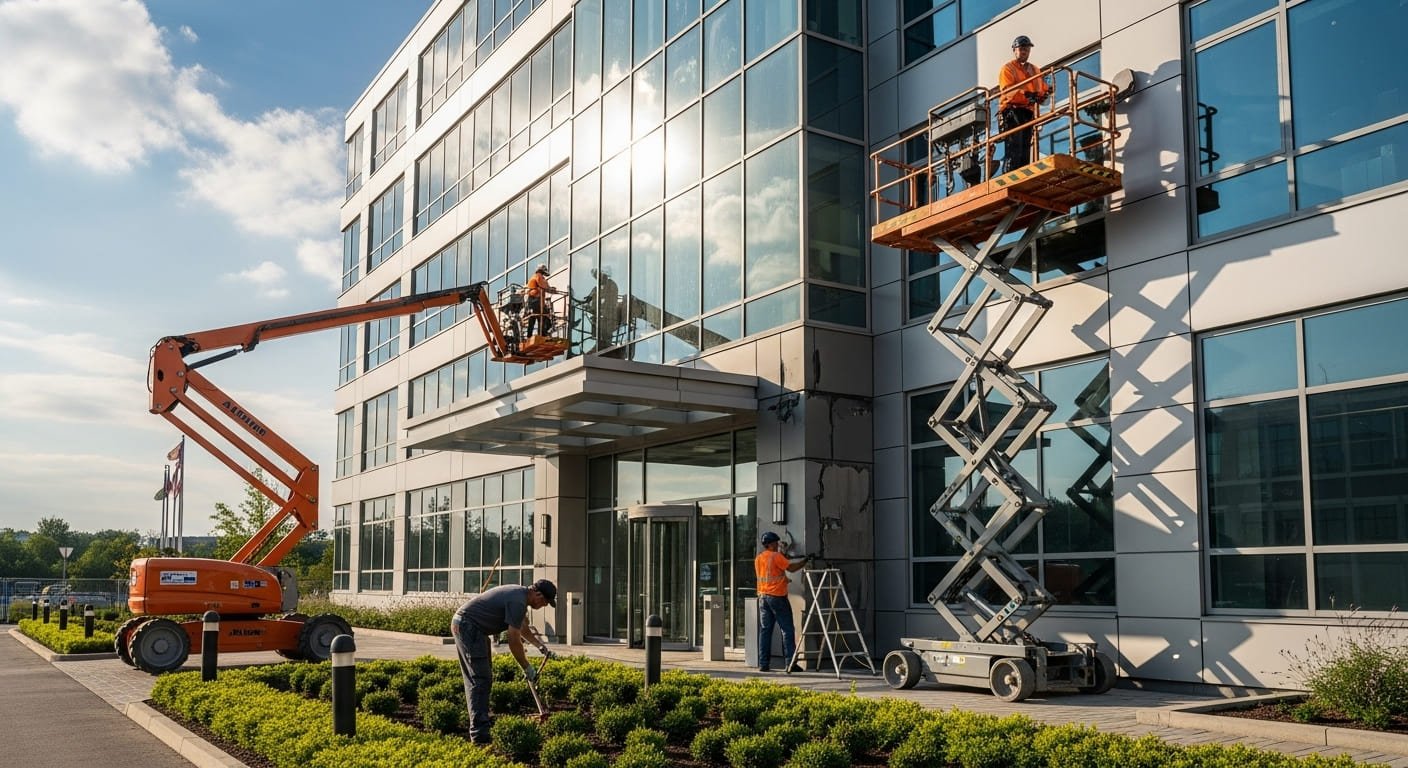
First, hunt down contractors who already own a solid track record right here in Melbourne. They instantly get the quirks of Victorian‑era brickwork, know how coastal humidity gnaws at metal roofs, and understand why our building boom blows turn‑around times sky‑high. A firm that can point to real case studies from similar sites feels far more honest than a glossy brochure. Take the example of a recent client who needed a façade overhaul on a 2026‑era warehouse on Flinders Street; the crew used a breathable sealant that matched the original palette and shaved two years off the repainting schedule.
Having one crew that handles plumbing, electrical, HVAC and façade cleaning saves you from juggling a stack of invoices. Imagine a sudden basement leak popping up. The same team can jump trades on the fly, and that’s when a single‑service shop really shines. When you book the job, ask for a dedicated project manager to be your single point of contact; that person keeps the timeline tight and nips small hiccups before they explode. Need a hassle‑free solution for commercial building maintenance melbourne?
Licensing and insurance verification
Before you sign, ask for the contractor’s licence, workers‑comp insurance and public liability cover, a missing piece could land you in legal and financial trouble if something fails on site. A smart owner also double‑checks that every crew member holds up‑to‑date training certificates, especially for high‑risk jobs like confined‑space entry. Check the expiry dates on safety‑equipment certifications and ask for the site‑specific safety plan so you can see how they manage risk. So, are you comfortable with the paperwork, or do you need more proof before you commit?
Thinking a cheaper quote automatically means a better deal is a common slip‑up. Low‑cost bids often skip warranty details or leave parts of the job out, and those hidden gaps end up costing you more when repairs show up, which is also why the right choice in commercial building maintenance melbourne rarely looks identical from one household or business to the next. Ask the contractor to break the estimate down line by line and compare it with at least two other bids. What differences do you spot?
Seasonal considerations and emergency response
Ever wonder how Melbourne’s swing from scorching summers to wet, windy winters affects your building? Test the backup generators before summer. And you should clear the gutters before the first heavy autumn down; otherwise water will sneak into the roof. Do you want to avoid a midnight pipe burst or a sudden power loss that could shut down critical ops? A 24/7 commercial building maintenance melbourne service on call is the smartest insurance; the best crews can be on site within an hour and start fixing the problem right away.
Future‑proofing with technology and sustainability
Ever wonder why some buildings never seem to hiccup? And IoT sensors now patrol your HVAC, catching temperature spikes, humidity jumps or weird vibrations before they cause a shutdown, cutting downtime and shaving off the energy waste the city tries to curb. The tech is cheap now, too. But adding solar‑plus‑storage rooftops isn’t just a plug‑in job; you need a team that already runs renewable assets, someone who can do capacity checks and keep the system humming at peak efficiency every year. So, are you ready to ditch reactive fixes and let proactive monitoring keep your commercial property humming?
Conclusion
First, you need a solid commercial building maintenance melbourne audit to catch weak spots. Then, roll out a simple preventive schedule, tweaking it when the weather shifts. You’ll notice improvements within a few weeks. And you’ll need contractors who actually turn up on time, not just promise it. So, what tech will you lean on to spot issues early and keep tenants happy without a single hiccup?