

Gold gilding is a traditional decorative craft that brings elegance, warmth and sophistication to furniture, artwork, architectural details and interior spaces. Its distinctive metallic finish has been appreciated for centuries, making it a popular choice for both heritage restoration and contemporary decorative projects. However, achieving a refined and long-lasting result requires more than simply applying gold leaf. It involves careful preparation, specialist materials and skilled craftsmanship.
Working with reliable gold gilding specialists can help property owners, designers and restoration professionals achieve premium decorative finishes. Whether enhancing an antique frame, restoring an ornamental feature or creating a custom decorative surface, professional gilding can add a distinctive touch to a project.
Understanding the Art of Gold Gilding
Gold gilding is the process of applying extremely thin sheets of gold leaf to a prepared surface. The technique can be used on materials such as wood, plaster, metal and selected decorative objects, depending on the preparation system and gilding method.
Traditional Gold Leaf Gilding
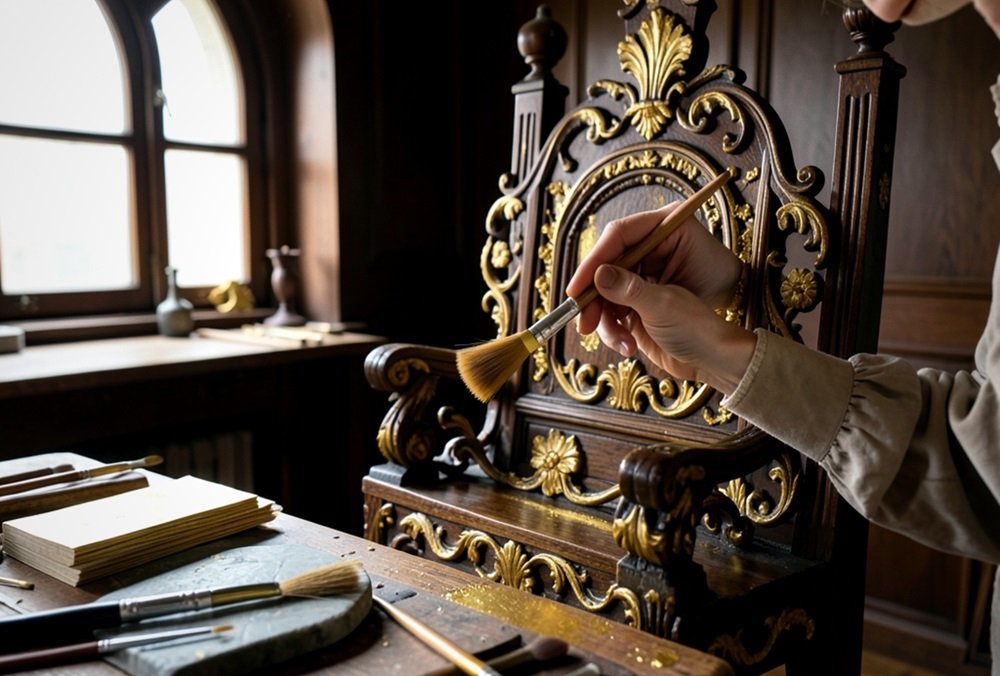
Traditional gold leaf gilding involves applying delicate sheets of gold to a carefully prepared surface. Depending on the desired appearance, specialists may use water gilding or oil gilding techniques.
Water gilding is commonly associated with traditional decorative work and can produce highly reflective, burnished finishes. Oil gilding uses a suitable adhesive size and is often selected for decorative applications where a different finish or installation method is required.
Gold Gilding for Modern Interiors
Gold gilding is not limited to historical buildings and antique furniture. It can also enhance contemporary interiors through decorative wall features, custom artwork, furniture details and architectural accents.
A carefully selected gold finish can introduce warmth and visual contrast without overwhelming the overall design.
Why Choose Professional Gold Gilding Specialists?
Gold leaf is extremely delicate, and working with it requires patience, precision and an understanding of different surface materials. Professional gilding specialists bring technical knowledge and practical experience to each project.
Expert Surface Preparation
Proper preparation is essential for achieving a consistent finish. The surface may require cleaning, smoothing, repairs and specialised preparation layers before the gold leaf is applied.
The correct preparation method depends on the material and the condition of the existing surface. Skipping these steps can affect adhesion and the final appearance.
Precision and Attention to Detail
Gilding often involves working around intricate carvings, decorative mouldings and detailed designs. Experienced specialists understand how to handle delicate gold leaf, minimise imperfections and achieve a neat finish around complex features.
Suitable Materials and Techniques
Different projects require different gold leaf types, adhesives and protective finishes. A professional can recommend suitable materials based on the intended appearance, location and expected use of the finished surface.
Popular Applications of Gold Gilding Services
Gold gilding can be used across residential, commercial and heritage projects. Its versatility makes it suitable for both restoration work and new decorative designs.
Antique Furniture and Mirror Frames
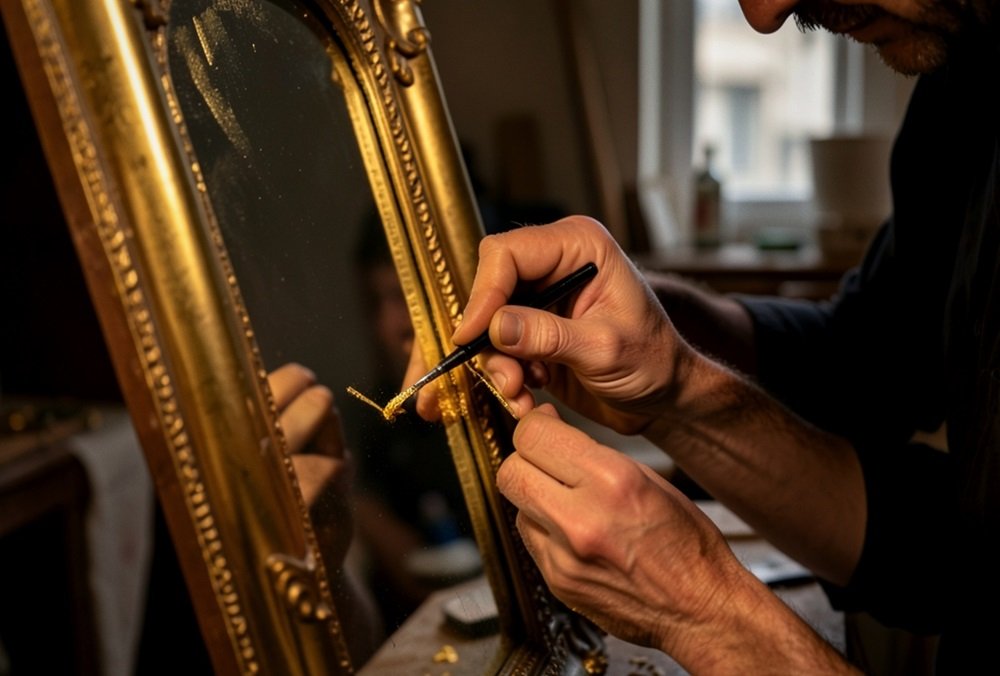
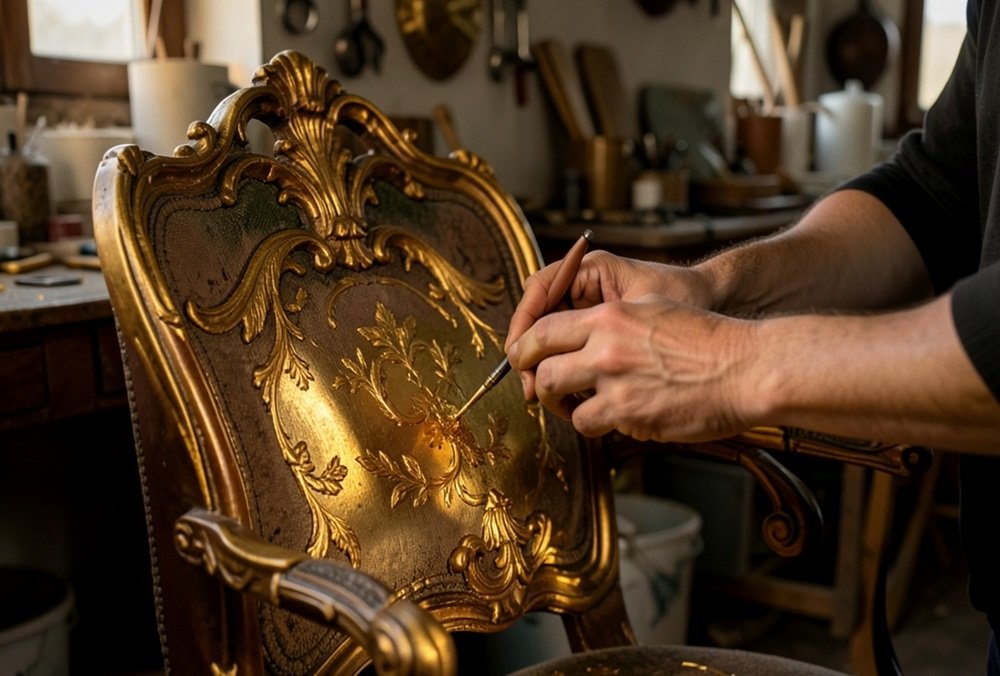
Gold gilding can restore the decorative appeal of antique furniture, mirrors and picture frames. Worn or damaged finishes may be carefully repaired, while selected details can be regilded to complement the original design.
For valuable antiques, the restoration approach should prioritise preserving original materials and avoiding unnecessary alterations.
Architectural and Interior Features
Decorative columns, cornices, ceiling details, wall mouldings and ornamental panels can benefit from gold leaf finishes. Gilded accents can highlight architectural craftsmanship and create an elegant focal point within a space.
Custom Artwork and Decorative Pieces
Artists and designers may use gold gilding to add metallic detail to sculptures, frames, panels and bespoke decorative objects. The reflective quality of gold leaf can create depth and visual interest in both traditional and contemporary designs.
Choosing the Right Gold Gilding Finish
Selecting the right finish is important for achieving the desired result. Different gold leaf products and application methods create different visual effects.
Genuine Gold Leaf
Genuine gold leaf provides the natural colour and reflective qualities associated with gold. Different karat options are available, and the choice can influence the final tone and suitability for particular applications.
Imitation Gold Leaf
Imitation gold leaf offers a decorative gold-coloured alternative. It can be suitable for projects where the appearance of gold is desired at a different material cost. However, it may require additional protection because its composition can make it more susceptible to tarnishing.
Burnished and Matte Finishes
Burnished gold leaf can create a highly reflective appearance when the appropriate gilding method is used. Matte finishes offer a softer, more understated look. The choice depends on the design style and the effect the project needs to achieve.
What to Consider Before Hiring a Gilding Specialist
Before choosing a service provider, review their experience with the type of project you have in mind. Ask to see examples of previous work, particularly if you require antique restoration or intricate architectural gilding.
Discuss the surface condition, proposed techniques, materials and expected finish. It is also helpful to understand how the completed work should be maintained.
A professional assessment can identify potential challenges and help determine the most suitable restoration or decorative approach.
Maintaining Gold Gilded Surfaces
Proper maintenance helps preserve the appearance of gilded objects and features. Use gentle dusting methods and avoid abrasive cloths, harsh chemicals or excessive moisture.
Imitation gold leaf may require particular attention to protective coatings because it can tarnish over time. Always follow the specialist’s care recommendations for the specific materials used.
Conclusion
Reliable gold gilding specialists combine traditional craftsmanship, suitable materials and careful application techniques to achieve premium decorative results. From antique furniture and heritage restoration to modern interiors and custom artwork, gold leaf can introduce timeless elegance and distinctive character.
By selecting an experienced specialist and choosing the right gilding method, property owners and designers can create beautiful finishes that complement their spaces and preserve the appeal of decorative features.