

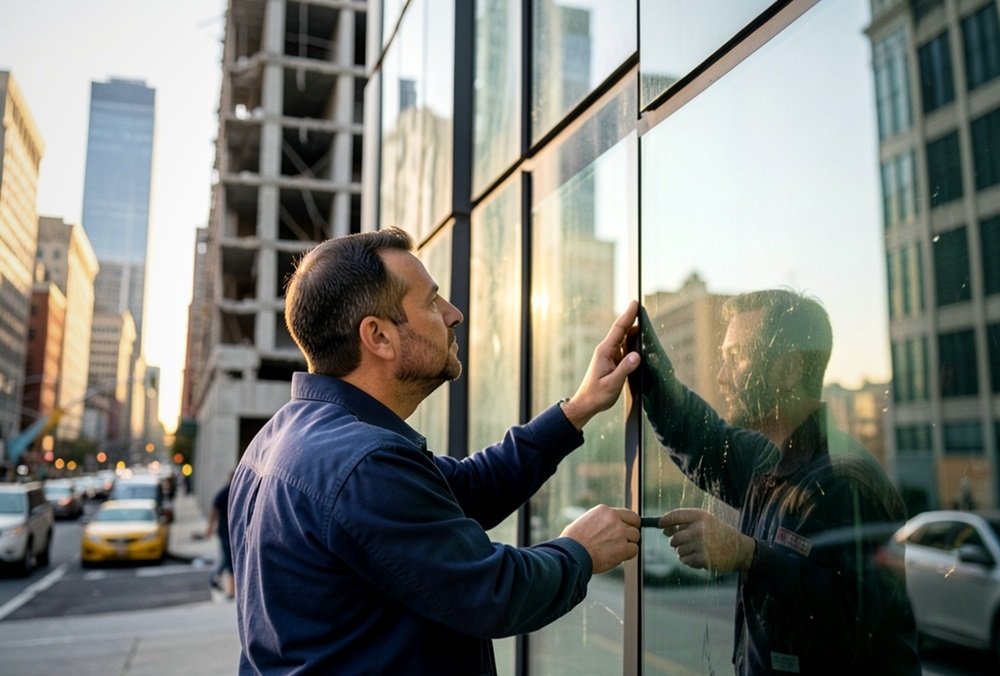
A building’s façade plays an important role in its appearance, weather protection and overall performance. Over time, external walls and cladding systems can deteriorate due to exposure to rain, wind, temperature changes and general environmental conditions. Damaged, outdated or poorly performing façades may affect both the visual appeal and functionality of a property.
Professional façade replacement in Melbourne offers property owners, builders and commercial developers an opportunity to upgrade building exteriors with modern materials and suitable cladding systems. Whether the project involves an ageing commercial property or a residential renovation, careful planning and professional installation are essential for achieving a reliable result.
Why Consider Façade Replacement for Modern Buildings?
Façade replacement involves removing or upgrading existing external wall materials and installing a new façade system suited to the building’s requirements. It may be considered when existing cladding is damaged, outdated, unsuitable or no longer meeting relevant performance expectations.
Improving the Building’s Exterior Appearance
The façade is one of the most visible parts of a building. Faded finishes, damaged panels and outdated materials can affect the property’s overall presentation.
Replacing an old façade with contemporary cladding can create a cleaner and more consistent exterior. Property owners can explore different colours, textures and panel designs to complement the building’s architectural style.
Addressing Deteriorating Materials
External building materials experience ongoing exposure to environmental conditions. Over time, some façades may develop cracks, corrosion, loose panels, water penetration or deterioration around joints and fixings.
A professional inspection can help identify the underlying causes and determine whether repairs, partial replacement or a complete façade upgrade is appropriate.
Supporting Building Performance
A properly designed façade system contributes to the building envelope by managing exposure to external weather conditions. Depending on the system, an upgrade may also provide opportunities to improve insulation, drainage and overall detailing.
The appropriate solution depends on the building’s structure, existing conditions and applicable performance requirements.
Common Façade Materials for Replacement Projects
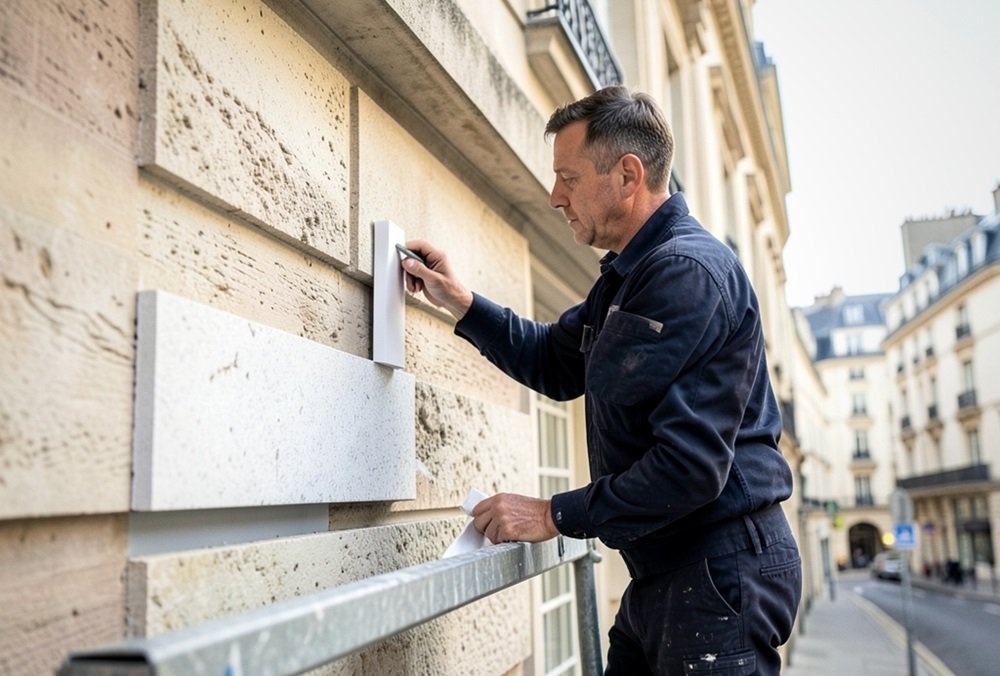
Selecting suitable materials is an important part of any façade replacement project. Different products offer different appearances, installation requirements and performance characteristics.
Aluminium Wall Cladding
Aluminium cladding is commonly considered for modern residential and commercial buildings. It is relatively lightweight and available in different colours, profiles and finishes.
Its versatility allows architects and designers to create contemporary façades with clean lines and distinctive exterior features. Product specifications, coating suitability and fire-performance documentation should be reviewed before selection.
Zinc Wall Cladding
Zinc offers a distinctive metallic appearance that can complement modern architectural designs. It can be used for feature façades and selected commercial or residential applications.
When specifying zinc, project teams should consider environmental exposure, material compatibility, drainage and installation details.
Other Contemporary Cladding Options
Depending on the building design, other façade materials may include fibre cement, metal panels and selected composite systems. Each option has specific technical and installation requirements.
The most suitable material should be selected according to the building’s intended use, appearance, exposure conditions and relevant building regulations.
Important Considerations Before Façade Replacement in Melbourne
A successful façade upgrade requires more than choosing attractive external panels. The condition of the existing structure and the technical requirements of the replacement system must also be assessed.
Inspecting the Existing Building Envelope
Before beginning work, a qualified building professional should assess the existing façade and identify visible or underlying issues.
The inspection may consider:
Damaged or deteriorating cladding panels
Water ingress and moisture-related problems
Corrosion around metal components
Condition of supporting structures and fixings
Flashing, joints and drainage arrangements
Existing insulation and ventilation provisions
Understanding these conditions helps determine the appropriate scope of work.
Meeting Australian Building and Fire-Safety Requirements
Façade replacement projects must comply with applicable building regulations and relevant fire-safety requirements. This is particularly important when selecting external wall cladding for multi-storey residential and commercial buildings.
Products should be assessed as part of the complete wall system, including relevant documentation for fire performance, structural suitability and intended application. Property owners should obtain appropriate professional advice before approving materials.
Considering Melbourne’s Weather Conditions
Melbourne experiences changing temperatures, rainfall and wind conditions. Façade systems should be designed to accommodate the environmental exposure of the specific property.
Proper flashing, drainage, ventilation and allowance for thermal movement can contribute to the effective performance of the external wall system.
The Importance of Professional Façade Replacement Services
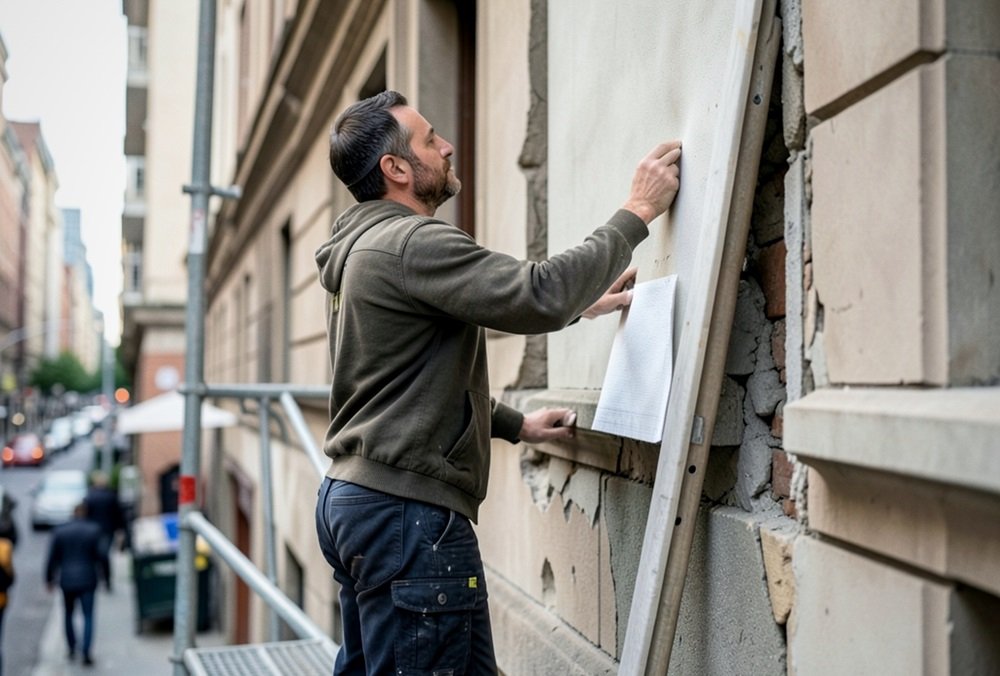
Façade replacement can involve structural interfaces, weatherproofing details, specialist materials and building access considerations. Professional project management helps coordinate these elements.
Careful Planning and Material Selection
Experienced façade professionals can assess project requirements and help identify suitable replacement materials. Planning should include product specifications, installation methods, project sequencing and any necessary approvals.
Quality Installation and Detailing
Correct installation is essential for the performance of the replacement system. Fixings, panel alignment, joints, flashings and drainage details should follow the relevant manufacturer specifications and approved design.
Where required, qualified specialists should manage structural, waterproofing and fire-safety aspects of the project.
Ongoing Inspection and Maintenance
After installation, regular inspections can help identify damaged panels, loose fixings, blocked drainage paths or deterioration around joints. Following the manufacturer’s maintenance recommendations can help preserve the appearance and condition of the façade.
Choosing the Right Façade Replacement Company in Melbourne
Selecting an experienced contractor is an important decision for property owners and developers. Look for professionals who understand the proposed cladding system, relevant compliance requirements and the practical challenges of working on existing buildings.
Review previous project experience, insurance, qualifications, product knowledge and installation processes. Clear communication about project scope, materials, safety arrangements and timelines can also help support a more organised replacement project.
Upgrade Your Property With Professional Façade Replacement
An ageing or damaged façade can affect the appearance and performance of a building. Replacing unsuitable external materials with a carefully selected modern system provides an opportunity to address existing issues and create a refreshed architectural finish.
For property owners considering professional façade replacement in Melbourne, the key steps are to assess the existing building, select compliant materials and engage qualified professionals for design and installation. With careful planning and appropriate technical guidance, a façade upgrade can support the building’s long-term functionality and contemporary appearance.