

A swimming pool can be a valuable addition to any home, offering a place to relax, exercise and enjoy time with family. However, keeping pool water clean, clear and comfortable requires consistent attention. Regular pool maintenance helps protect water quality, supports equipment performance and creates a more enjoyable swimming environment.
Whether you have a small backyard pool or a large residential swimming pool, following a suitable maintenance routine can make pool care easier. By combining water testing, filtration, cleaning and equipment inspections, homeowners can prevent common problems and keep their pools in good condition throughout the year.
Why Regular Pool Maintenance Is Important
Swimming pools are exposed to leaves, dust, insects, sunscreen, body oils and other contaminants. Without proper care, these materials can affect water clarity and place additional demands on filtration and sanitisation systems.
Maintaining Clean and Healthy Pool Water
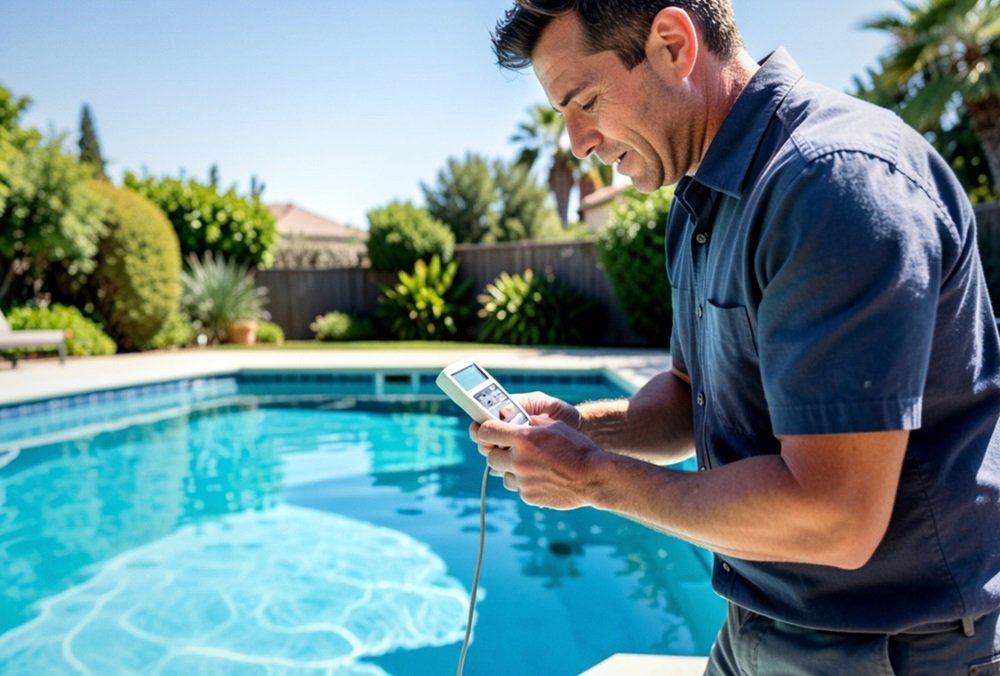
Water quality is one of the most important aspects of swimming pool care. Regular testing helps monitor pH, chlorine or other sanitiser levels, total alkalinity and other relevant water parameters.
Maintaining appropriate chemical balance supports effective sanitisation and helps reduce issues such as cloudy water, unpleasant odours and skin or eye irritation. Pool chemicals should always be used according to product instructions and applicable safety recommendations.
Protecting Pool Equipment
A pool’s pump, filter, chlorinator and cleaning equipment work together to maintain water circulation and cleanliness. Poor maintenance can place unnecessary strain on these components and affect their performance.
Regular inspections and timely servicing can help identify leaks, blockages, unusual noises and reduced water flow before they develop into more significant problems.
Essential Steps for Effective Pool Maintenance
A consistent maintenance schedule helps homeowners manage routine pool care without allowing small issues to build up.
Skimming and Removing Surface Debris
Leaves, insects and floating debris should be removed regularly using a pool skimmer or leaf net. This simple task helps prevent unwanted materials from sinking to the bottom and collecting in the filtration system. Emptying skimmer baskets and pump baskets also supports better water circulation and helps reduce blockages.
Brushing Pool Walls and Floors
Dirt, algae and other deposits can collect on pool surfaces, particularly around steps, corners and waterlines. Brushing these areas regularly helps loosen accumulated material so it can be removed through vacuuming and filtration. Choose a brush suitable for the pool’s surface, as different finishes may require different cleaning tools.
Vacuuming the Pool
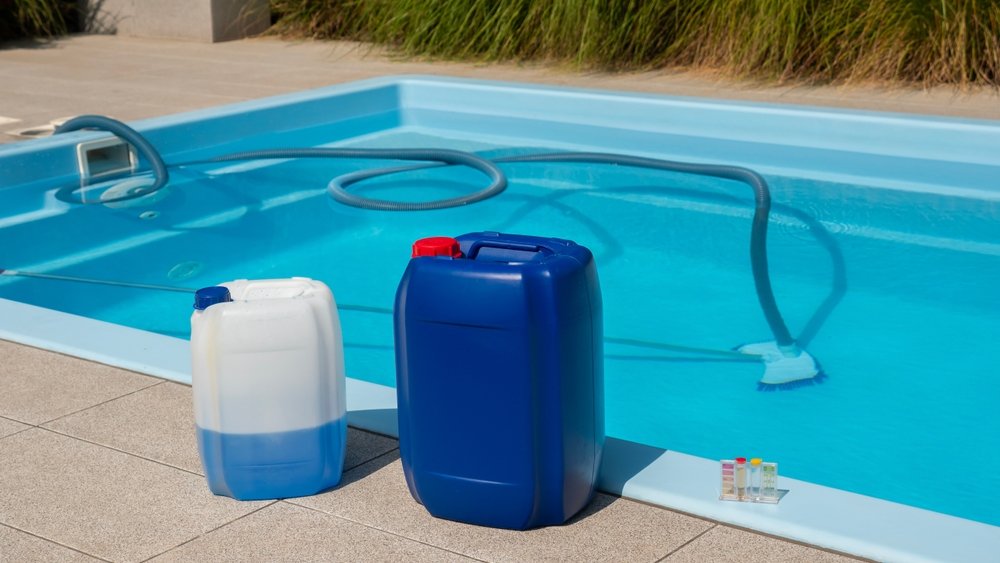
Vacuuming removes dirt and sediment that settle on the pool floor. Depending on your setup, you can use a manual vacuum, an automatic suction cleaner, a pressure cleaner or a robotic pool cleaner. The right option depends on pool size, surface type, cleaning requirements and equipment compatibility.
Understanding Pool Filtration and Water Circulation
Effective filtration is essential for maintaining clear swimming pool water. A suitable filtration system helps capture suspended particles while the pump circulates water through the system.
Maintaining the Pool Filter
Sand, cartridge and other filtration systems have different cleaning and servicing requirements. Filters should be maintained according to the manufacturer’s instructions to support efficient operation. For example, cartridge filters may require periodic removal and cleaning, while certain sand filtration systems need backwashing when indicated by operating conditions.
Checking Pump Performance
The pool pump moves water through the filtration and treatment system. Check for unusual sounds, visible leaks, air in the pump basket and changes in water flow. Running the pump for an appropriate period depends on pool volume, usage, weather conditions and the filtration system. A pool professional can help determine a suitable operating schedule.
Managing Pool Water Chemistry
Balanced water chemistry supports sanitisation and helps protect pool surfaces and equipment. Testing should be performed regularly, with adjustments made according to reliable test results and product instructions.
Monitoring pH and Sanitiser Levels
The pH level affects swimmer comfort and the effectiveness of chlorine-based sanitisation. Sanitiser levels should also be monitored to help control microorganisms and maintain suitable water conditions. Avoid adding chemicals based on guesswork. Use an appropriate pool testing kit and follow the recommended dosage for your pool’s water volume.
Preventing Algae Growth
Algae can develop when sanitiser levels, circulation or filtration are inadequate. Warm weather, heavy pool use and poor water balance can also contribute to algae problems. Regular brushing, effective filtration and appropriate sanitiser levels help reduce the risk of algae growth. If water turns green or becomes unusually cloudy, investigate the cause and seek professional advice if necessary.
Seasonal Pool Maintenance Tips
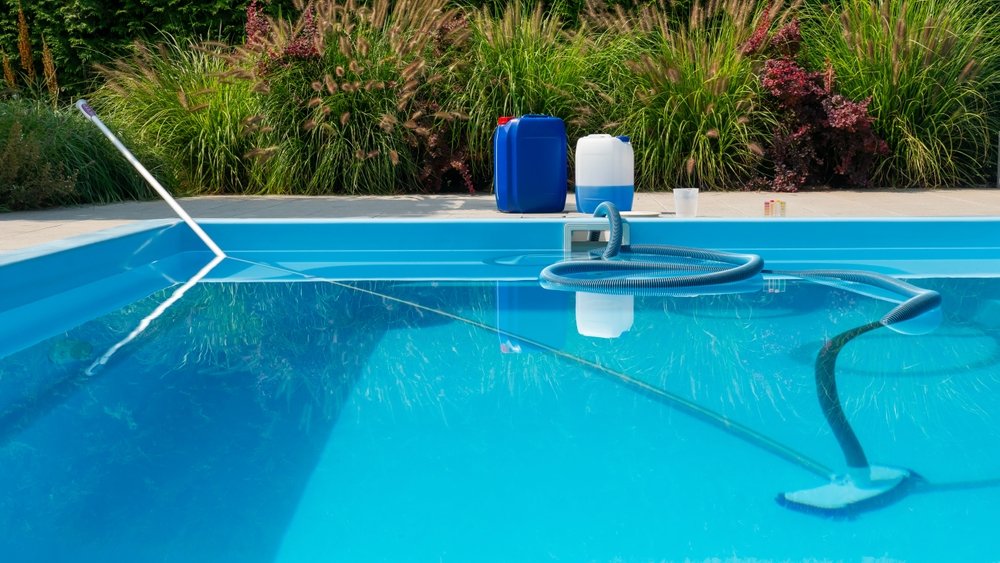
Pool care requirements can change with the weather and how frequently the pool is used.
Preparing for Warmer Months
Before periods of heavier swimming, inspect the pump, filter, chlorinator and cleaning equipment. Test the water, remove accumulated debris and ensure that circulation and sanitisation systems are operating correctly.
Maintaining Pools During Cooler Weather
Even when a pool is used less frequently, it still requires attention. Continue monitoring water chemistry, removing debris and maintaining suitable circulation according to the pool’s operating requirements. If the pool will be closed or used infrequently, follow appropriate winterisation or reduced-operation recommendations for the equipment and local conditions.
When to Seek Professional Pool Maintenance Services
Some maintenance tasks can be handled by homeowners, but technical issues may require experienced assistance. Persistent cloudy water, recurring algae, equipment leaks, pump problems and unexplained chemical imbalances are reasons to arrange a professional inspection. A qualified pool technician can assess the filtration system, check equipment performance and recommend suitable maintenance or repairs based on the pool’s condition.
Enjoy Better Pool Performance With Consistent Care
Effective swimming pool maintenance is about more than keeping the water visually clean. It involves maintaining balanced water chemistry, supporting proper circulation, cleaning pool surfaces and ensuring equipment operates as intended.
By following a regular maintenance routine and addressing problems early, homeowners can help protect their pool investment and create a cleaner, more comfortable swimming environment. Consistent care, suitable equipment and professional support when needed can make pool ownership easier and more rewarding.