

You ever stare at an empty lot or a big backyard and wonder how to squeeze more out of it without the full headache of buying another place? That’s where dual occupancy investment properties come in—they’re like splitting one block into two homes, letting you live in one and rent the other, or go all-in on rentals for steady cash. Here in Australia, with our sky-high property prices and that classic dream of owning a slice of land, dual occupancy investment properties have turned into a clever way for families and investors to grow wealth while keeping things manageable. I’ve watched a few folks in my circle pull it off, like a mate in Melbourne who added a second dwelling and covered his mortgage with rent from the get-go. Whether you’re eyeing a setup in Sydney’s bustling suburbs or a quieter spot in Brisbane, this guide chats through the ins and outs—from the perks and pitfalls to local rules and finishing touches like smart tiling that make it all click. Let’s explore how a dual occupancy investment property could fit your plans and boost your future.
What a Dual Occupancy Investment Property Looks Like Down Under
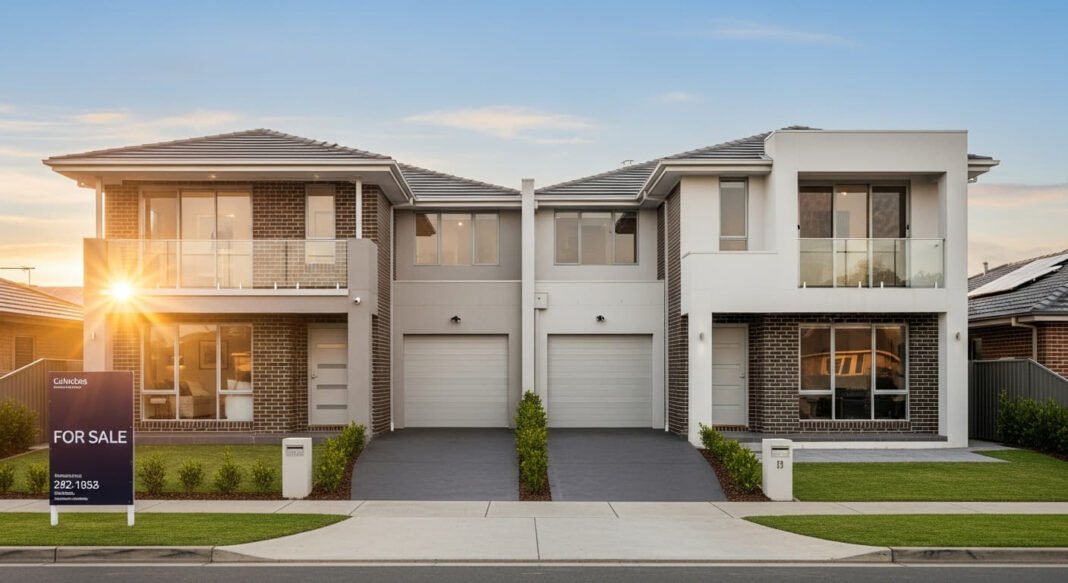
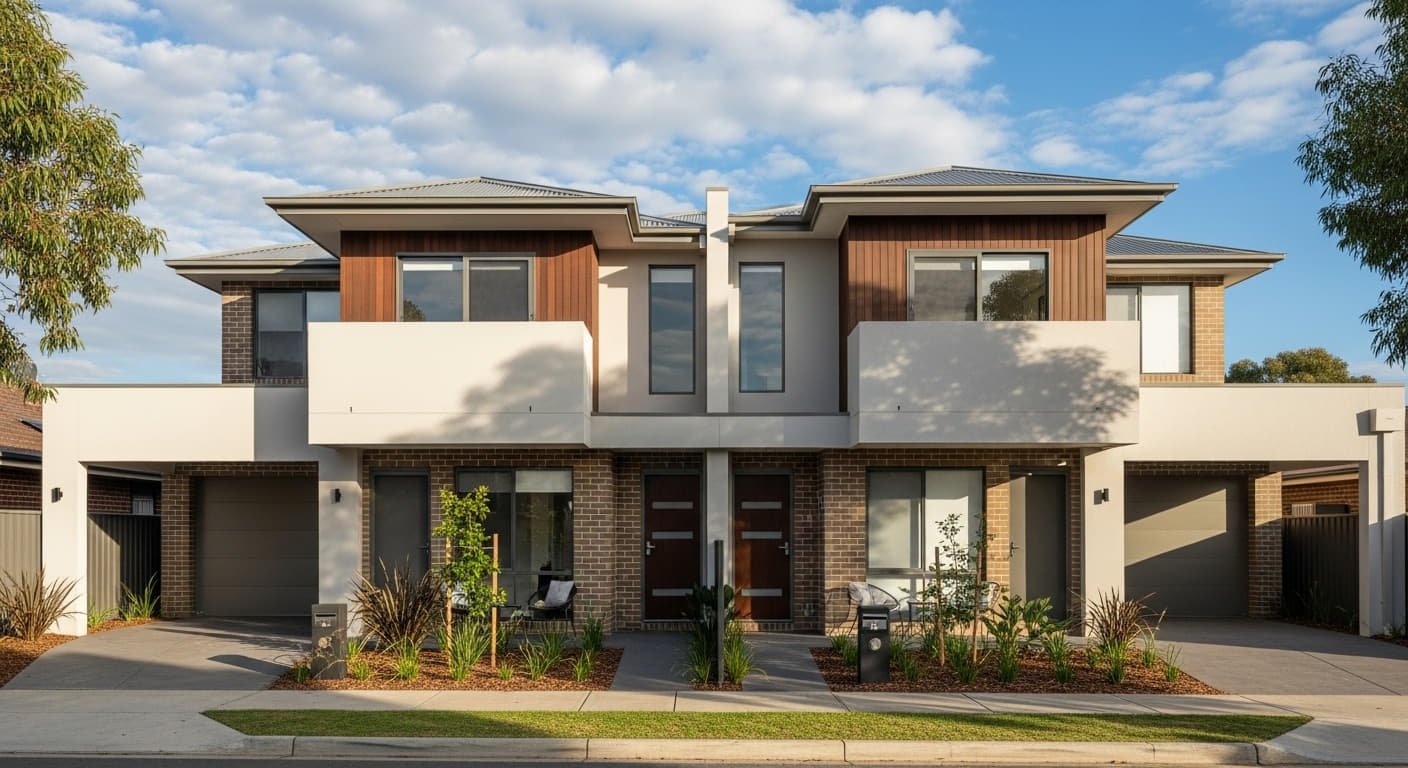
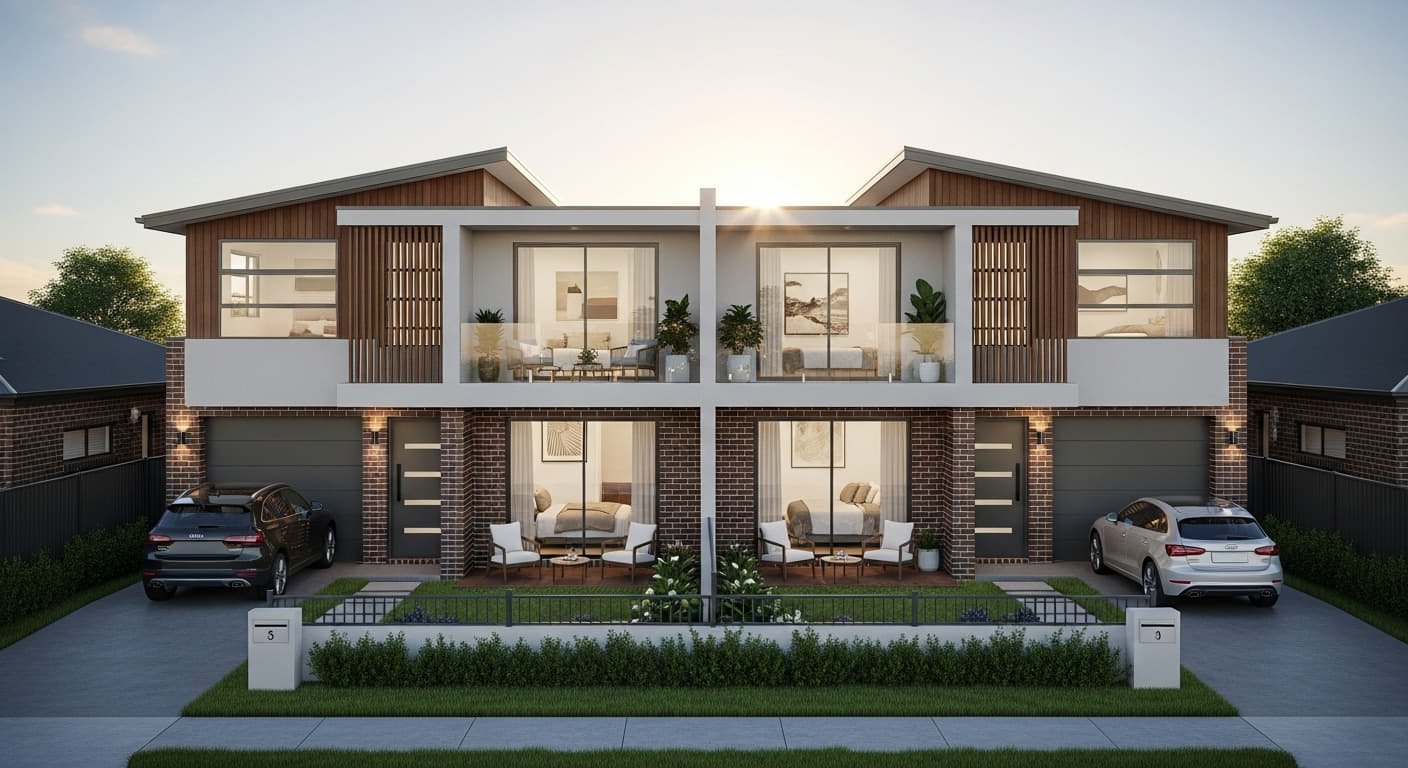
A dual occupancy investment property means two separate homes on one title—think a main house plus a self-contained unit, each with its own entrance, kitchen, and bath. It’s not about cramming; it’s smart use of space, often with shared driveways or gardens to keep costs down. In Australia, where blocks average 400-600 square meters in cities like Perth, these setups maximize land without subdividing, which can be a nightmare with fees and hassles.
From what I’ve gathered from backyard chats, dual occupancy investment properties suit our lifestyle—rent one for income while enjoying the other for family or guests. Sizes vary: the main might be 150m², the secondary 80m², with open plans that nod to our casual vibe. A neighbor in Adelaide built one with a granny flat vibe; it housed his folks and brought in $450 a week when empty. Related ideas like townhouses or duplexes overlap, but dual occupancy keeps it on one lot for easier management. In coastal spots like the Gold Coast, they often feature elevated designs for flood risks, blending beachy openness with practical living.
The Real Perks of Going Dual: Money, Space, and Flexibility
Diving into a dual occupancy investment property isn’t a whim—it’s got solid upsides that play to Australia’s housing crunch and family focus.
Financial Gains from a Dual Occupancy Investment Property
The big hook is the income stream—rent the second dwelling for $400-800 weekly, depending on location, covering builds or padding your savings. In Sydney’s outer west like Penrith, that’s $25,000-40,000 yearly, with yields around 4-6%. Build costs run $200,000-400,000 total, but government incentives like First Home Owner Grants in Victoria shave thousands.
Value jumps too—dual occupancy investment properties can add 20-30% to your block’s worth, making it easier to sell or borrow against. I’ve seen investors in Brisbane use them to gear up for more buys; one couple cleared their loan in five years. Tax breaks help—deduct interest on the investment side, and capital gains tax splits if you live in one. In a market where rents outpace wages, dual occupancy investment properties offer stability without the solo rental grind.
Lifestyle and Family Wins Beyond the Dollars
It’s not all numbers—many chase dual occupancy investment properties for kin, like housing adult kids in Melbourne’s tight market or boomer parents in Perth’s spread-out burbs. Keeps everyone close without crowding, fitting our multigen trends from migrant families in Western Sydney.
Flexibility’s key: Use the second as a home office during work-from-home booms or Airbnb for holiday cash in touristy Cairns. A friend in Hobart turned his into a creative studio—personal space plus occasional lets. Culturally, it echoes our “fair go” for shared living, especially in Indigenous communities where communal setups strengthen bonds. With our outdoor love, add decks or gardens to both for that relaxed feel.
Tackling Regulations: What You Need to Know for Dual Occupancy Investment Properties
Rules differ by state, but nailing compliance keeps your dual occupancy investment property legal and valuable.
State-Specific Rules for Building Dual Occupancy Investment Properties
In NSW, like Sydney councils, dual occupancy needs DA approval on blocks over 600m²—complying paths speed it to 8-12 weeks. Victoria’s similar, but Melbourne requires overlays for bushfire or heritage zones. Queensland caps secondary dwellings at 80m², with Brisbane pushing flood-resilient designs.
Fees add $2,000-5,000; skip subdivision to save on titles. Providers handle paperwork, while competitors focus on modular for faster builds. Example: A family in the Central Coast (NSW) got approval for their dual occupancy investment property—rented the smaller one for $500 weekly, easing mortgage stress.
Design and Zoning Tips for Your Dual Occupancy Investment Property
Check zoning—R2 low-density in Sydney allows it, but setbacks from boundaries (4-6 meters) matter. Energy standards under NCC mean insulation and solar-ready roofs. Inside, tile wet areas with slip-resistant options for safety and appeal.
In humid Darwin, ventilation’s key to fight mold. Cultural note: In diverse Adelaide, dual occupancy investment properties often include flexible rooms for prayer or cultural gatherings. Aim for 3-bed main, 2-bed secondary for broad renter draw.
Costs, Returns, and Making Your Dual Occupancy Investment Property Pop
Crunch the numbers right, and a dual occupancy investment property shines long-term.
Budgeting for a Dual Occupancy Investment Property Build
Total outlay: $250,000-500,000, with site prep $20,000, structure $150,000, and finishes $50,000. In pricier Sydney, add 15% for labor; modular cuts 20% time and cost. ROI? 5-8% yields in growth areas like southeast Melbourne.
Track via tools like CoreLogic for local values—dual occupancy investment properties boost equity by $100,000-300,000. A investor in Geelong built one for $300,000; rents covered 70% of payments, with value up 25% in two years.
Smart Finishes: Tiling and Features for Renter Appeal
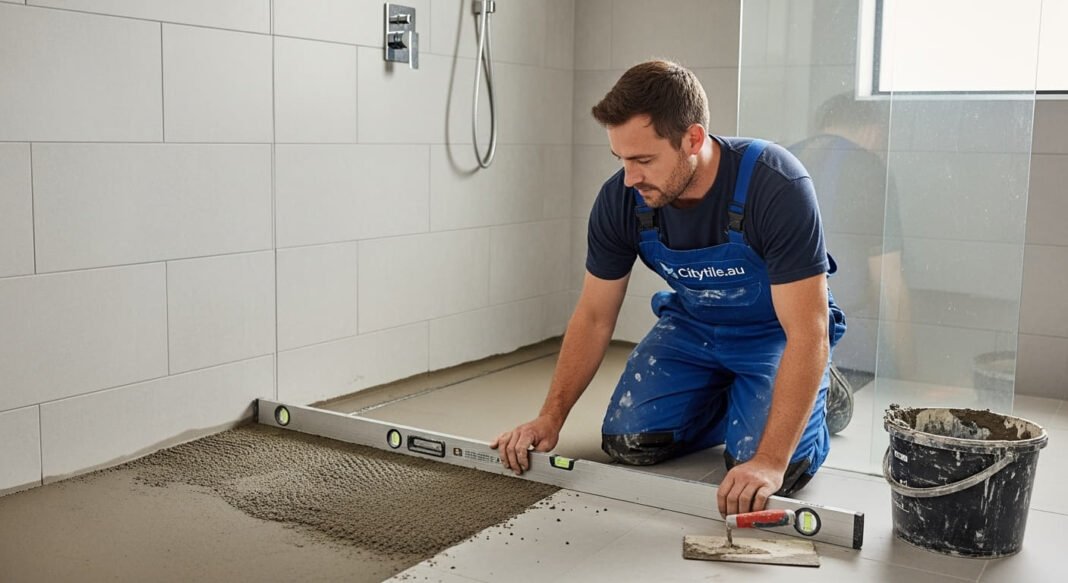
Tile floors with durable porcelain—non-slip in baths, easy-clean in kitchens. Waterproof membranes under showers meet AS 3740, preventing leaks. Add neutral tones for broad appeal; outdoor tiles extend living space in sunny Brisbane.
Competitors bundle tiling, but DIY saves $5,000 if skilled. Example: A Canberra owner tiled both units with large-format—low grout lines meant less maintenance, higher rents. In our practical culture, these touches make dual occupancy investment properties low-fuss winners.
Questions and Answers: Common Questions About Dual Occupancy Investment Property in Australia
Q: How much can I rent a dual occupancy investment property for in Sydney?
Ans: $500-900 weekly for the secondary unit—Sydney’s west like Blacktown hits $600 average. Factor utilities; check Domain for comps. Dual occupancy investment properties yield 4-6%, covering builds fast.
Q: What approvals do I need for a dual occupancy investment property in Melbourne?
Ans: DA from council on blocks over 300m²—8-12 weeks. Melbourne’s overlays add heritage checks; go green with solar for rebates. Dual occupancy investment properties suit infill, boosting suburb density.
Q: Is a dual occupancy investment property allowed in Brisbane flood zones?
Ans: Yes, but raised designs per Brisbane City Plan—under 80m² secondary. Flood mapping requires engineering; dual occupancy investment properties with elevated floors rent well at $450-650 weekly.
Q: How does a dual occupancy investment property impact taxes in Perth?
Ans: Increases land value 15-25%, raising rates $800-1,500 yearly. Perth’s dual zones ease builds; negative gearing deducts costs. Dual occupancy investment properties offer 5% yields, tax-smart for investors.
Q: Can I use part of a dual occupancy investment property for family in Adelaide?
Ans: Sure—Adelaide councils allow non-rental without extra nods. Flexible layouts suit multigen; dual occupancy investment properties in suburbs like Mawson Lakes rent the other for $400-550, balancing family and income.
Conclusion: Your Path to a Successful Dual Occupancy Investment Property in Australia
Dual occupancy investment properties smartly double your land’s potential, mixing rental streams, family space, and value growth with designs that fit our compact, sunny lifestyles—from $250,000-500,000 builds yielding 5-8% to regs like NSW DAs or Queensland caps. We’ve covered what they entail, perks like $20,000-40,000 yearly income, state rules for compliance, budgeting with tiling for durability, and ROI math for smart plays. In our family-centric, practical culture, dual occupancy investment properties bridge needs, from Sydney duplexes to Perth annexes.
To launch yours, verify zoning and get council pre-approval, budget modular for speed, and add renter-friendly tiles for appeal—consult three builders for quotes. Track rents and values locally, start with family use if testing, then rent out. This sets your dual occupancy investment property for steady wins, growing wealth while honoring Aussie home dreams.