


Ever found yourself standing in a puddle of water at 2 AM, wondering who on earth you’re supposed to call? Have you ever questioned whether that dripping tap really needs urgent attention, or if it can wait until Monday? And let’s be honest—do you actually know the difference between an emergency plumber and a regular plumber?
You’re definitely not alone. Many homeowners across Australia face these exact questions when plumbing problems strike. The truth is, understanding when to call an emergency plumber versus scheduling a regular plumber can save you hundreds of dollars and a whole lot of stress. Making the wrong call could mean paying premium rates for something that could’ve waited, or worse, letting a genuine emergency cause serious damage to your home.
In this guide, we’ll break down everything you need to know about both types of plumbing services. You’ll learn what sets them apart, when each one makes sense, and how to make the right decision when disaster strikes. Plus, we’ll cover practical tips for handling plumbing emergencies before help arrives. Let’s get stuck into it.
What Is a Regular Plumber?
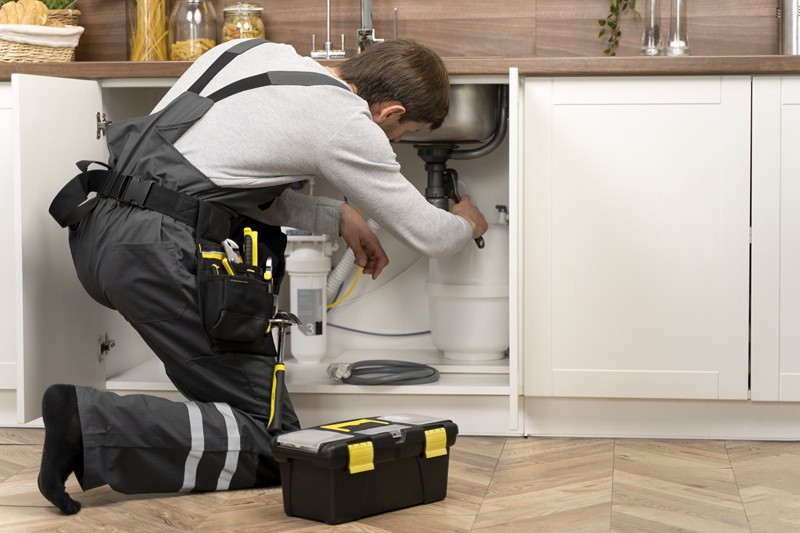
A regular plumber is your go-to professional for planned plumbing work and routine maintenance. These tradies handle the everyday jobs that keep your home’s water systems running smoothly. Think of them as the steady, reliable option for non-urgent situations.
Services Typically Offered:
Regular plumbers tackle a wide range of jobs. These include installing new fixtures, replacing old taps, fitting dishwashers and washing machines, and conducting routine inspections. They also handle planned bathroom renovations, hot water system installations, and general maintenance work. Essentially, if it’s something you can schedule in advance, a regular plumber is your best bet.
Standard Operating Hours:
Most regular plumbers work standard business hours—typically Monday to Friday, 7 AM to 5 PM. Some may offer Saturday availability, but this often comes with additional charges. This schedule works perfectly for planned work, but it does mean you’ll need to arrange time off or be home during business hours to let them in.
What Is an Emergency Plumber?
An emergency plumber specialises in urgent situations that simply can’t wait. These professionals are equipped to handle crises at any hour, any day of the year. When water’s gushing or sewage is backing up, they’re the ones who come running.
24/7 Availability and Rapid Response:
The biggest difference with emergency plumbers is their availability. They operate around the clock—nights, weekends, and public holidays included. Response times are typically much faster too, with many services promising to arrive within an hour. This rapid response can be crucial when every minute counts.
Do Plumbers Work on Sundays?
Here’s a question that pops up constantly: do plumbers work on Sundays? The short answer is yes—emergency plumbers absolutely do. Regular plumbers typically don’t, which is why emergency services exist. If your toilet backs up on a Sunday afternoon during a family barbecue, an emergency plumber will come out. Please be aware that weekend rates are typically higher than weekday callouts.
Key Differences Between Emergency and Regular Plumbers:
Understanding these differences helps you make smarter decisions about which service to call.
- Response Times: Regular plumbers might take a few days or even weeks to fit you into their schedule, depending on how busy they are. Emergency plumbers, on the other hand, prioritise speed. Most aim to arrive within 60 minutes of your call, regardless of the time or day.
- Pricing Structures: Let’s talk money. Regular plumbers charge standard rates during business hours, making them the more economical choice for planned work. Emergency plumbers charge premium rates—often 1.5 to 2 times the standard rate—because of their around-the-clock availability. After-hours and weekend callouts typically cost even more.
- Types of Jobs Handled: Regular plumbers focus on scheduled installations, renovations, and maintenance. Emergency plumbers deal with urgent situations: burst pipes, severe blockages, gas leaks, and flooding. Some emergency plumbers also do regular work, but their speciality is crisis response.
When to Call an Emergency Plumber?
Knowing when to call an emergency plumber can save your home from serious damage. Here are the situations that genuinely warrant an urgent callout.
Burst Pipes and Flooding:
Water damage escalates incredibly fast. A burst pipe can release hundreds of litres of water into your home within minutes, damaging floors, walls, and belongings. If you’ve got water flooding your property, don’t hesitate—call immediately.
Complete Loss of Hot Water:
While a lack of hot water might seem like an inconvenience rather than an emergency, it can indicate serious problems with your hot water system. In winter, or if you have young children or elderly family members at home, this becomes more urgent.
Sewage Backups and Blocked Drains:
Sewage backing up into your home is absolutely an emergency. Beyond being utterly disgusting, it poses serious health risks. Similarly, completely blocked drains that affect your ability to use toilets or showers need immediate attention.
Gas Leaks and Safety Concerns:
If you smell gas, this is a genuine emergency that requires immediate action. Gas leaks can be life-threatening. Turn off your gas supply if you can do so safely, evacuate your home, and call both your gas company and an emergency plumber.
.jpg "Plumber")
When a Regular Plumber Is the Better Choice?
Not every plumbing issue needs urgent attention. Here’s when scheduling a regular plumber makes more sense.
Routine Maintenance and Inspections:
Annual plumbing inspections, checking for minor leaks, and general system maintenance are perfect jobs for regular plumbers. These preventative measures actually help you avoid emergencies down the track.
Planned Renovations and Installations:
Bathroom renovations, kitchen upgrades, and installing new appliances should always be scheduled with a regular plumber. You’ll get better rates and can plan around their availability.
Minor Repairs and Upgrades:
A dripping tap, a slightly running toilet, or replacing old fixtures? These are annoying but not urgent. Book a regular plumber and save yourself the premium fees.
What Qualifies as a Plumbing Emergency?
A plumbing emergency is any situation that poses an immediate risk to your property, health, or safety. Key indicators include:
- Water you cannot control or stop
- Complete loss of essential services (all toilets blocked, no water at all)
- Sewage entering your living spaces
- Gas leaks or suspected gas issues
- Potential structural damage from water
If you’re unsure, ask yourself: “Will waiting until business hours cause significant damage or create health risks?” If yes, it’s an emergency.
Can I Wait Until Monday to Call a Plumber?
This depends entirely on the situation. Minor leaks that you can contain with a bucket? Probably fine to wait. A tap that drips occasionally? Definitely can wait. But anything involving flooding, sewage, gas, or complete loss of essential services should be addressed immediately.
When in doubt, many emergency plumbing services offer free phone consultations. They can help you assess whether your situation warrants an immediate callout or can safely wait.
Choosing a Reliable Plumbing Service in Your Area:
Finding trustworthy plumbers before an emergency strikes is incredibly wise.
What to Look for in a Local Plumber?
Check for proper licensing and insurance—this is non-negotiable. Read online reviews, ask for recommendations from neighbours, and look for plumbers who offer transparent pricing. A good plumber should be happy to provide quotes and explain their charges.
Plumbcall Bundaberg: Servicing the Wide Bay Region:
For residents in the Wide Bay area, Plumb call Bundaberg offers both regular and emergency plumbing services. Having a reliable local service on speed dial means you won’t be frantically searching online when water’s pouring through your ceiling at midnight.
.jpg "Plumber")
Tips for Handling a Plumbing Emergency Before Help Arrives:
While waiting for your emergency plumber, take these steps:
- Locate and turn off your main water shut-off valve
- Turn off your hot water system to prevent damage
- If safe, try to contain any water with towels and buckets
- Move valuables away from affected areas
- Take photos for insurance purposes
- Open windows if you suspect a gas leak and evacuate
Making the Right Call for Your Plumbing Needs:
Understanding the difference between emergency and regular plumbers empowers you to make smarter decisions. Regular plumbers are your economical choice for planned work, maintenance, and minor repairs during business hours. Emergency plumbers are your lifeline when genuine crises strike—burst pipes, sewage backups, gas leaks, and situations that simply cannot wait.
The key takeaway? Don’t pay emergency rates for non-emergency situations, but never hesitate to call when safety or significant property damage is at stake. Know where your water shut-off valve is located, have a reliable local emergency plumber’s number saved in your phone, and trust your instincts when something feels seriously wrong.
Your home’s plumbing is essential to daily life. By understanding your options and knowing when to call an emergency plumber, you’re already ahead of the game. Stay prepared, stay informed, and you’ll handle whatever plumbing surprises come your way with confidence.