


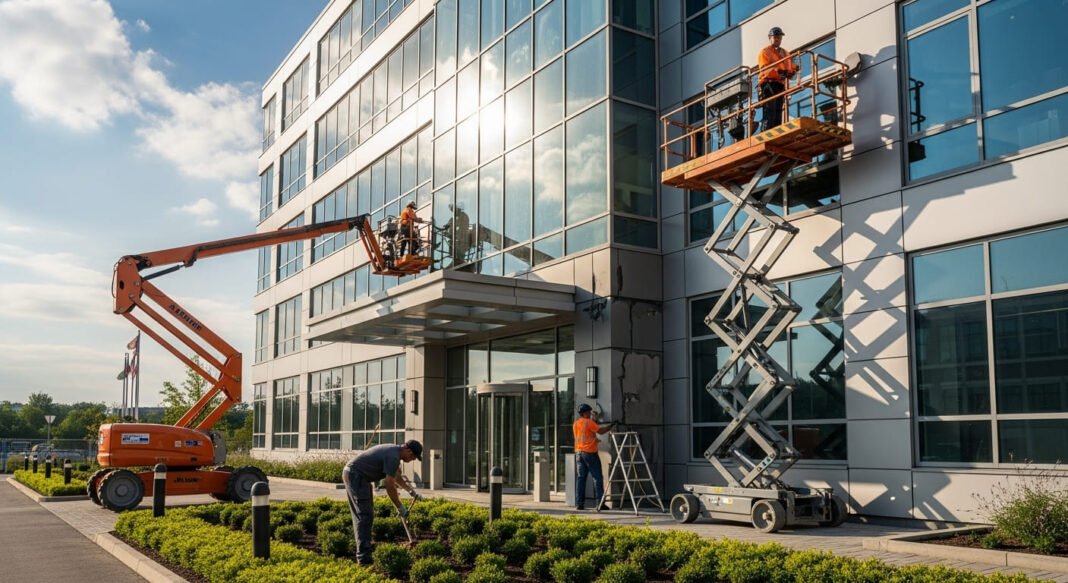
Commercial building maintenance in Melbourne is all about staying ahead of the weather, the tenants, and the wear-and-tear that comes with a busy city below you’ll find the seven secrets that keep your property running smooth, from seasonal check-lists to smart sensor tricks. I’ll break down each secret, give you real-world examples from suburbs like Docklands and Richmond, & show how a solid plan can save headaches and downtime.
1. Build a Seasonal Calendar Tailored to Melbourne’s Climate
Melbourne’s weather swings fast – one minute it’s 30 °C, the next it’s 5 °C. From what I’ve seen, the biggest maintenance mishaps happen when owners ignore the seasonal shift. A calendar that lines up with the summer heat, winter chill, & the occasional spring rain makes a huge difference.
Here’s how to set it up:
- January–February: Check HVAC filters, clean roof gutters, and schedule a fire safety audit.
- March–May (autumn): Inspect external cladding for wind damage, service the building’s water-pump, and do a pest-control sweep.
- June–August (winter): Test heating systems verify that insulation is intact and run a full electrical compliance inspection.
- September–November (spring): Clean windows, reseal any cracks in the façade, and calibrate indoor air-quality monitors.
And you’ll notice that each task lines up with a natural weather pattern, so you’re not fighting the elements. Honestly, the thing is, most owners skip the spring window cleaning because they think it’s just aesthetic – but in melbourne’s uv-heavy summer, a dirty window can overheat an office space and spike energy use.
2. Pick Contractors Who Know Local Building Styles…
Melbourne’s commercial blocks range from sleek glass towers in the CBD to heritage brick warehouses in Fitzroy. A contractor who’s only worked on new high-rise towers won’t always get the nuances of a 1900s façade.
Here’s what I tell people when they’re vetting a service provider:
- Ask for recent projects in the same suburb – a Docklands office park or a South Yarra retail strip.
- Check if they have experience with local fire safety audits Melbourne & HVAC servicing Melbourne.
- Make sure they can provide a 24-hour response for emergency leaks or power failures.
Honestly, a contractor with a solid local track record saves you time and re-work. I’ve noticed that those who understand the mix of old & new construction can spot issues faster, especially with integrating modern fire-door systems into historic frames.
3. Use Smart Sensors for Early Detection
Predictive maintenance is no longer a buzzword; it’s a practical tool for Melbourne owners. Installing IoT moisture sensors in roof valleys & water-leak detectors in basements can alert you before a small drip becomes a costly flood.
And the data they feed into a simple dashboard can be a game-changer for facility management services Australia:
- Temperature spikes in HVAC ducts trigger an automatic service call.
- Air-quality sensors flag when particulate levels rise prompting a filter change.
- Power-usage monitors highlight abnormal draws that could signal an electrical fault.
From my experience, owners who act on these alerts cut emergency repair time by up to 40 %. It also means you can schedule work during off-peak hours, keeping tenant disruption low.
4. Focus on Indoor Air Quality and Water Management
Melbourne’s humid summers and cool winters put pressure on HVAC systems and water tanks — Neglecting these can lead to mold, rust, and unhealthy indoor air – a real concern for office workers and retail staff.
Here are a few practical steps you can start today:
- Replace HVAC filters every three months during summer and winter.
- Run a quarterly water-tank cleaning, especially for rooftop tanks that feed irrigation.
- Install a simple CO₂ monitor in conference rooms to keep ventilation in check.
What typically happens is that a neglected filter forces the system to work harder, driving up electricity use and shortening equipment life. A quick filter swap keeps the air fresh and the fan motor happy.
5. Keep the Façade and Roof in Shape – Frequency Table
The façade is the first impression for customers walking down Collins Street, and the roof protects everything below. Melbourne’s occasional hailstorms and strong westerly winds can damage both if you’re not vigilant.
Below is a quick comparison table that shows how often you should inspect key components:
| Component | Inspection Frequency | Typical Melbourne Issue |
| Roof membrane | Twice a year | Hail impact, ponding water |
| Façade glazing | Quarterly | Thermal stress cracks |
| Gutters & downspouts | Monthly (after heavy rain) | Leaf blockage, rust |
| Fire doors | Annual | Seal wear, latch misalignment |
And remember a quick visual check after a storm can catch a loose tile before it drips into an office below. The thing is many owners wait for a full roof replacement to address minor leaks – that’s unnecessary and costly.
6. Track Performance with Simple KPIs
Running a commercial property without metrics is like driving blind. You need a few key performance indicators that are easy to understand and act on.
Here are the top four I recommend for Melbourne owners:
- Mean time to repair (MTTR) – how quickly a reported issue is resolved.
- Preventive maintenance compliance – percentage of scheduled tasks completed on time.
- Energy use intensity (EUI) – kWh per square metre, useful for tracking HVAC efficiency.
- Tenant satisfaction score – a quick survey after each major service.
From what I’ve seen, owners who review these KPIs monthly can spot trends before they become problems. For example, a rising EUI often signals a clogged filter or a failing fan.
7. Use digital tools for work orders and reporting
Paper logs belong in the archives. A cloud-based work-order platform lets you assign tasks, track progress, & generate compliance reports for fire safety audits Melbourne and electrical compliance inspection Australia.
And the best part is you can give your on-site staff a mobile app to log issues on the spot. No more phone tag no more missing signatures.
Here’s a quick checklist to get the most out of a digital system:
- Set up automated reminders for seasonal tasks.
- Link sensor alerts directly to work-order creation.
- Export monthly KPI dashboards for board meetings.
Honestly, the time saved on admin frees up your team to focus on tenant experience & strategic upgrades, like installing solar panels on the roof – a move that Melbourne’s sunny summer loves.
Case Study: Turning a Strata Building Around
In early 2023, a 12-storey office block in Richmond was struggling with frequent HVAC breakdowns, leaky roof sections, and a spike in tenant complaints about indoor air quality. The property manager signed up with a local commercial building maintenance contractor who followed the seven-secret framework.
First, they mapped out a seasonal calendar and performed a spring façade inspection, discovering three cracked roof tiles that were letting water seep into the ceiling plenum. Sensors were installed in each floor’s HVAC ducts, catching a filter that had been working at 50 % efficiency for months. A quick filter swap reduced energy draw by 12 % and eliminated the stale-air complaints.
Next, the contractor set up a digital work-order system, linking it to the building’s fire-door inspection schedule. Within two months, fire-door compliance rose from 68 % to 100 %, and the monthly KPI report showed a 30 % drop in mean time to repair. Here’s the thing: tenants reported higher satisfaction, & the owner saved enough on emergency repairs to fund a small solar array on the roof.
The result? Honestly, a building that now runs smoother, costs less to operate, & keeps its tenants happy – all without a massive capital outlay. This case shows how the seven secrets can transform a typical Melbourne commercial property into a well-tuned, low-stress asset.
Conclusion
Commercial building maintenance in Melbourne isn’t a one-size-fits-all checklist; it’s a living, adapting system that respects the city’s climate, its varied architecture, and the needs of its occupants. By building a seasonal calendar, choosing local-savvy contractors, embracing smart sensors, focusing on air & water, keeping the façade and roof in check, tracking clear KPIs, & using digital work-order tools, you’ll stay ahead of problems and keep your property performing at its best.
And remember the effort you put into preventive work today pays off in fewer emergencies tomorrow. Keep the calendar handy stay connected to your data and don’t be afraid to ask contractors for proof of local experience. That’s the real secret to mastering commercial building maintenance in Melbourne.