

In the world of Australian home design, the debate between materials is ongoing. Aluminium is sleek, and uPVC is efficient, but nothing quite matches the timeless appeal of wood. For centuries, timber windows have been the standard for quality craftsmanship and aesthetic warmth. Even today, with modern technology offering countless alternatives, timber remains a premium choice for architects and homeowners who refuse to compromise on character.
Choosing the right window frames is about more than just the view; it is about insulation, sustainability, and adding tangible value to your property. Whether you are restoring a Victorian terrace in Melbourne or building an eco-friendly retreat in the bush, wood offers a unique set of advantages that synthetic materials struggle to replicate.
Here are the top ten reasons why choosing natural wood frames is a smart, stylish, and sustainable decision for your home.
1. Unmatched Aesthetic Warmth
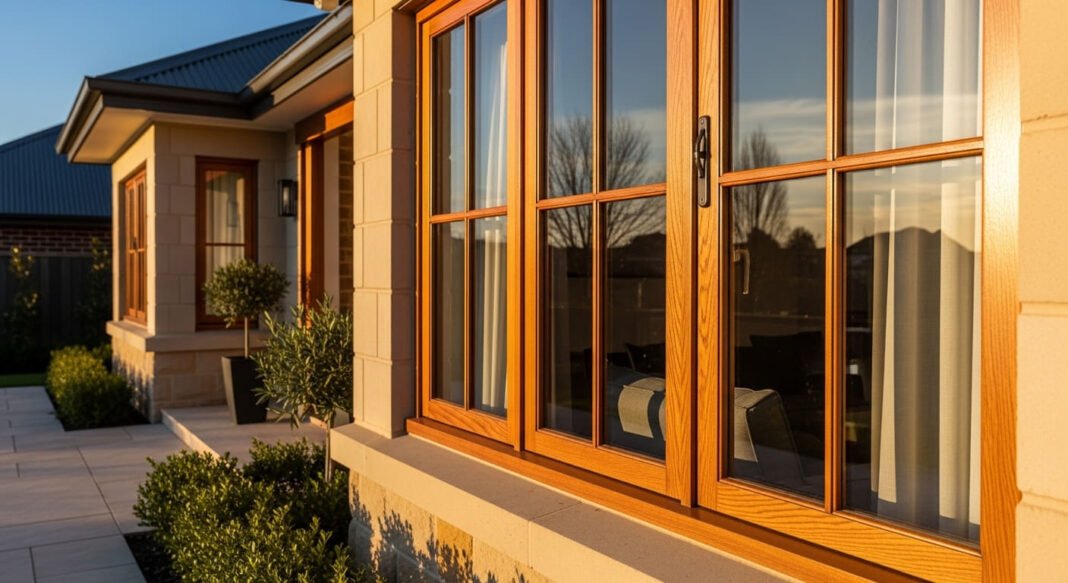
The most obvious benefit is the look. Timber windows bring a natural, organic feel to a home. The grain patterns, the texture, and the ability to stain or paint the frames allow for endless customization.
Unlike the cold, flat finish of metal, wood adds softness to both the interior and exterior. It bridges the gap between the built environment and the natural landscape, which is a core principle of Australian design. Whether painted crisp white for a Hamptons look or stained to reveal the rich tones of Merbau or Blackbutt, timber frames elevate the visual quality of any room.
2. Superior Natural Insulation
Wood is a natural insulator. In scientific terms, it has low thermal conductivity. This means it does not transfer heat or cold easily.
If you touch an aluminium frame in winter, it feels freezing. That frame is actively transferring the cold from outside into your home. Touch a timber frame, and it feels neutral or warm. By installing timber windows, you create a thermal barrier. This helps keep your home warm in winter and cool in summer, reducing the load on your air conditioner and lowering your energy bills.
3. Long Lifespan with Proper Care
There is a misconception that timber rots quickly. While neglect can cause issues, well-maintained timber frames can last for generations. Many heritage homes in Australia still have their original timber windows from 100 years ago, functioning perfectly.
Modern treatments and paints have extended this lifespan even further. High-quality microporous paints allow the wood to breathe while repelling water. With a simple maintenance routine of cleaning and periodic re-painting, your windows will outlast many synthetic alternatives that can become brittle and discoloured over time.
4. Sustainability and Carbon Storage
For the eco-conscious homeowner, wood is the winner. It is the only truly renewable building material.
When trees grow, they absorb carbon dioxide from the atmosphere. This carbon remains locked inside the wood even after it is turned into a window frame. By choosing sustainably sourced timber (look for FSC or PEFC certification), you are supporting a cycle of planting and harvesting that benefits the environment. In contrast, producing aluminium or PVC requires massive amounts of energy and fossil fuels.
5. Flexibility in Design and Colour
One of the frustrations with aluminium or uPVC is that you are often stuck with the colour you choose forever. You cannot easily paint plastic or powder-coated metal.
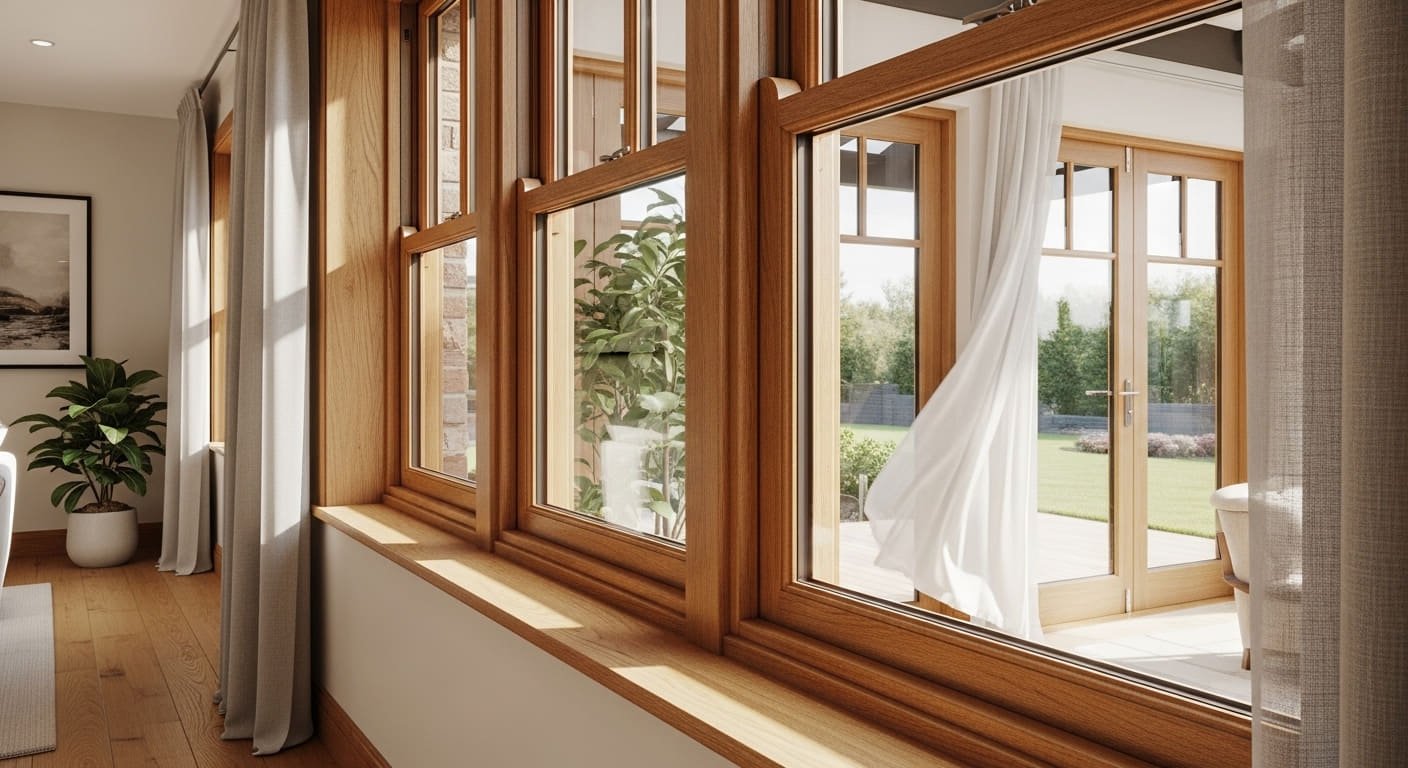
Timber windows offer complete freedom. If you renovate your house in ten years and change the colour scheme, you can simply sand back the frames and paint them a new colour. This adaptability future-proofs your home against changing trends. Furthermore, timber can be cut and shaped into any size or style, from intricate heritage arches to massive modern picture windows.
6. Structural Strength
Wood is incredibly strong relative to its weight. This structural integrity allows for slimmer frames that can hold heavy double or triple-glazed units without bending or warping.
In Australia, where we often deal with high winds and storms, the rigidity of a well-made timber frame provides security and durability. Engineered timber (where layers of wood are glued together with opposing grains) is even stronger and more stable, resisting the twisting that can sometimes occur in solid wood.
7. Adding Value to Your Property
Real estate agents agree: character sells. Potential buyers often perceive timber windows as a mark of quality and luxury. They suggest that the home has been built with care rather than just thrown together with the cheapest materials available.
In heritage conservation areas, maintaining or restoring original timber joinery is often essential to preserving the property’s market value. Replacing them with cheap aluminium can actually devalue a period home.
8. Natural Humidity Regulation
Timber is hygroscopic, meaning it can absorb and release moisture from the air. This helps regulate the humidity levels inside your home, creating a healthier living environment.
While this means the wood moves slightly, modern joinery techniques allow for this movement without compromising the seal. This natural “breathing” quality prevents the build-up of condensation and mould that can occur on impermeable surfaces like metal or plastic.
9. Repairability
Accidents happen. A cricket ball might dent a frame, or a scratch might appear during a move. With metal or plastic frames, a dent or a deep scratch is usually permanent. You often have to replace the entire unit.
Timber is forgiving. Dents can be filled, scratches can be sanded out, and even rot can be cut out and repaired with new timber splices. This repairability makes timber windows a cost-effective option over the long term, as you can fix small problems before they become big ones.
10. Excellent Sound Proofing
Insulation isn’t just about heat; it is about noise too. The cellular structure of wood naturally dampens sound vibrations.
When combined with quality double glazing, timber frames offer excellent acoustic performance. This is particularly beneficial if you live near a busy road or under a flight path. The density of the wood helps block out the noise of the outside world, turning your home into a quiet sanctuary.
Questions and Answers: Common Questions About timber windows in Australia
Q: Are timber windows hard to maintain in the Australian climate?
A: They do require more maintenance than aluminium, but it is not as difficult as people think. Modern factory-applied finishes are incredibly durable. You typically need to wipe them down annually and inspect the paint. Re-coating might be needed every 5 to 8 years depending on exposure to the sun. The effort is a small price to pay for the aesthetic and thermal benefits.
Q: Does timber rot easily?
A: Timber will only rot if moisture gets trapped in it for long periods. Modern timber windows are designed with slopes and drainage channels to shed water quickly. Using durable hardwood species or treated softwoods also significantly reduces the risk. If you keep the paint or varnish in good condition, rot is rarely an issue.
Q: Are timber windows more expensive?
A: The upfront cost is generally higher than standard aluminium windows. However, when you factor in the energy savings from better insulation, the longevity of the product, and the value added to your home, they are a solid long-term investment. They are comparable in price to high-end thermal break aluminium or premium uPVC systems.
Q: Can I use timber windows in a bushfire zone?
A: Yes, but you must choose the right timber. In Bushfire Prone Areas (BAL zones), you are required to use specific fire-resistant timber species. Australian hardwoods like Blackbutt, Spotted Gum, and Merbau are naturally dense and fire-retardant. Some window systems are specifically tested and certified for BAL-29 or BAL-40 zones. Always check with your builder or supplier.
Q: Can I retrofit double glazing into existing timber frames?
A: In many cases, yes. This is a great way to upgrade the performance of a heritage home without losing its character. A specialist can route out the timber rebate to accept a thicker double-glazed unit. If the frames are too thin, they can often manufacture new sashes (the moving part) to hold the glass while keeping the original outer frame.
Conclusion: Your Path to a Successful timber windows in Australia
Choosing window frames is a decision that affects the comfort, look, and efficiency of your home for decades. While the market is flooded with synthetic options, the enduring benefits of timber windows—from their natural beauty to their superior insulation—make them a standout choice.