

Ever wondered how some businesses seem to have their security sorted while others struggle with lost keys and unauthorised visitors? Have you thought about what’s actually stopping intruders from walking straight into your premises? And when was the last time you properly reviewed who can access your building and when?
If you’re running a business in Australia, security isn’t just a nice-to-have—it’s absolutely essential. From protecting sensitive data to keeping your team safe, the way you control who enters your premises can make or break your overall security strategy. The good news? There’s never been more choice when it comes to access control systems.
In this guide, we’ll explore the top seven access control options available to modern businesses today. Whether you’re managing a small office in Melbourne or overseeing multiple sites across the country, you’ll discover which systems suit different needs, budgets, and security levels. We’ll break down everything from traditional keycard systems to cutting-edge biometric solutions, helping you make an informed decision about protecting what matters most.
How Do Keycard Access Systems Work?
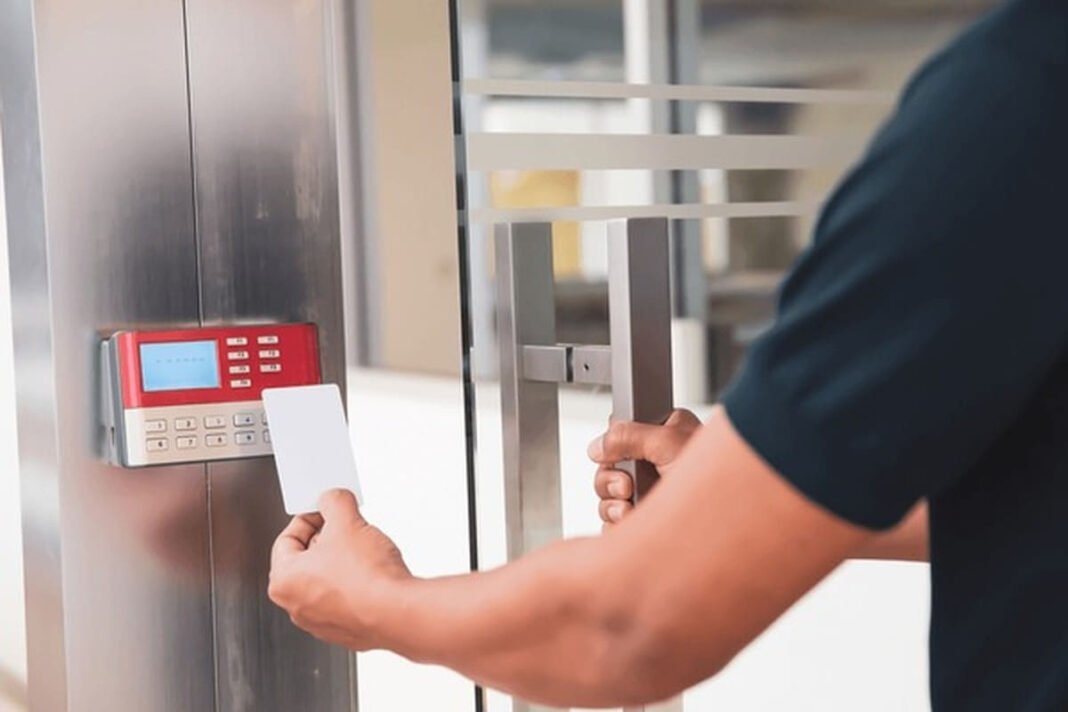
Keycard and fob systems remain one of the most popular choices for Australian businesses, and for good reason. These systems work by encoding unique identification data onto a card or small fob, which users then tap or swipe against a reader to gain entry.
The technology behind these systems typically uses either proximity (RFID) or smart card technology. When an authorised card comes within range of the reader, it transmits its unique code, and the system grants or denies access based on pre-programmed permissions.
For small to medium businesses, keycards offer a solid balance between security and convenience. They’re cost-effective to implement, easy to manage, and simple for staff to use. However, cards can be lost, stolen, or shared—so they’re best suited for environments where moderate security meets practical everyday use. Office buildings and shared workspaces particularly benefit from this approach, as administrators can quickly deactivate lost cards and issue replacements without changing physical locks.
Are PIN Code Door Locks Secure Enough for Businesses?
PIN code and keypad entry systems have been around for decades, but they’ve evolved significantly. Modern keypads offer encrypted codes, anti-tamper features, and the ability to create unique PINs for different users or time periods.
The security question really depends on how you implement these systems. A four-digit code shared among all staff? Not particularly secure. Individual six-digit codes with automatic lockout after failed attempts? Much better. The key is combining strong PIN policies with regular code changes.
For Australian businesses watching their budgets, keypad systems often prove attractive. They eliminate the ongoing cost of replacing lost cards or fobs, and installation is typically straightforward. Choose keypad entry when you need a simple, reliable solution for areas with moderate traffic—think back entrances, storage rooms, or server areas where you want to limit access without investing in more sophisticated technology.
What Are the Different Types of Biometric Access Control?
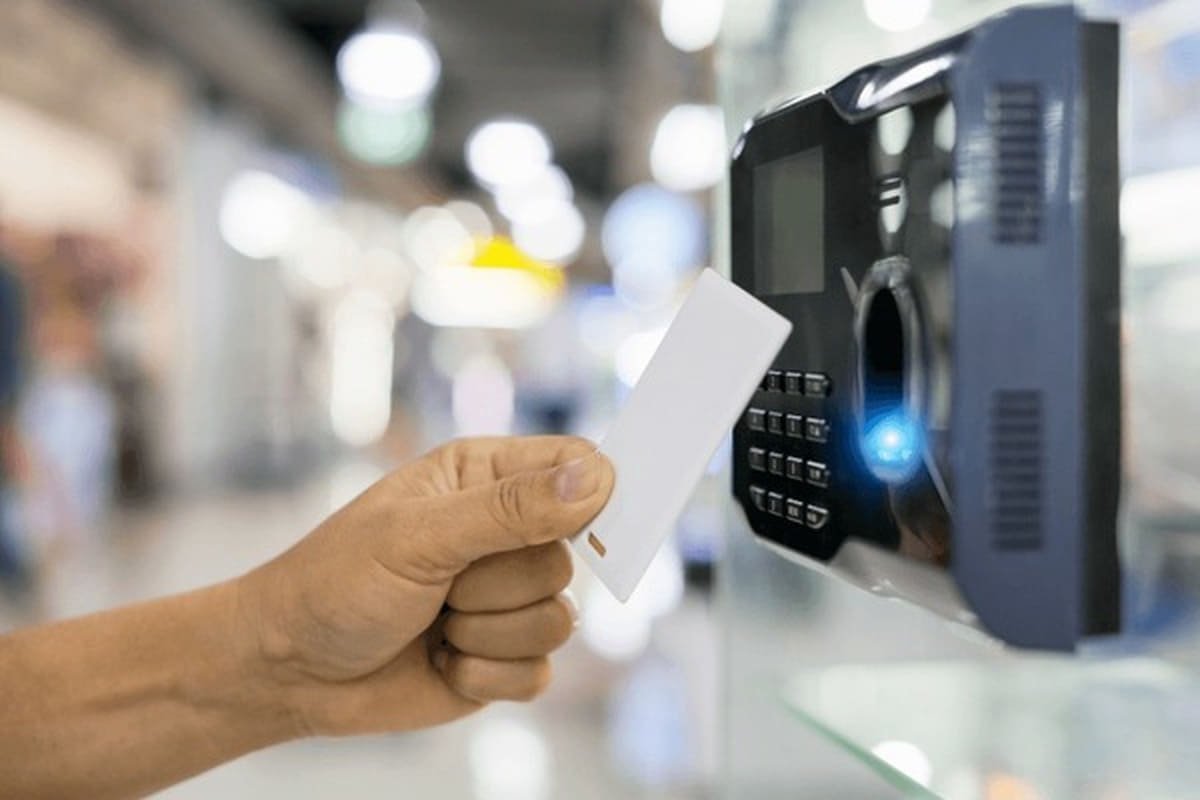
Biometric access control takes security to another level by using unique physical characteristics to verify identity. The most common types include fingerprint scanners, facial recognition, iris scanners, and even palm vein readers.
When comparing fingerprint versus facial recognition for business security, each has its strengths. Fingerprint systems are generally more affordable and highly accurate, making them ideal for most commercial applications. Facial recognition offers contactless convenience—particularly valuable since the pandemic—and works well in high-traffic areas where speed matters.
Here in Australia, privacy considerations are paramount. Under the Privacy Act 1988, businesses must handle biometric data with extreme care. You’ll need clear policies about data collection, storage, and use. Staff must be informed about how their biometric information is used, and you should consider whether this level of data collection is genuinely necessary for your security needs.
How Does Mobile Access Control Work?
Mobile and smartphone-based access represents one of the fastest-growing segments in business security. These systems use Bluetooth, NFC, or Wi-Fi to communicate between a user’s smartphone and the access reader.
The appeal is obvious—most people always have their phone with them. Users simply download an app, receive digital credentials, and can then unlock doors with a tap or even as they approach (hands-free access). This eliminates physical credentials entirely.
Is mobile access control safe for commercial properties? When implemented correctly, yes. Modern systems use encrypted communication, multi-factor authentication, and can remotely revoke access instantly. Plus, they integrate beautifully with existing business systems—connecting with HR software, visitor management platforms, and building automation systems to create a unified security ecosystem.
What Is Cloud-Based Access Control and Why Is It Growing?
Cloud-based access control moves your security management to online servers, allowing you to control access from anywhere with an internet connection. Rather than managing everything from an on-site computer, you log into a web portal or app to handle permissions, view logs, and receive alerts.
The benefits for multi-site businesses are substantial. Imagine managing access across offices in Sydney, Brisbane, and Perth—all from a single dashboard. You can grant or revoke access in real-time, view who’s entering which building, and receive instant notifications about security events.
For growing Australian enterprises, scalability is the major drawcard. Adding new doors, sites, or users doesn’t require significant infrastructure changes. Most cloud systems operate on subscription models, spreading costs over time rather than requiring large upfront investments. This makes enterprise-grade security accessible to businesses of all sizes.
How Do Modern Video Intercom Systems Enhance Security?
Video intercom and visitor management systems add a crucial visual verification layer to your security setup. Modern systems go far beyond basic doorbells—they offer HD video, two-way audio, remote answering via smartphone, and integration with other access control systems.
Managing visitors and contractors effectively has become increasingly important. Today’s systems can pre-register expected visitors, send QR codes for self-check-in, capture ID images, and create digital visitor logs. This streamlines the arrival experience while maintaining robust security records.
The real power emerges when you combine intercom systems with other access solutions. A visitor might video-call reception, have their identity verified, receive a temporary PIN code, and be directed to the correct area—all without a staff member leaving their desk.
What Is an Integrated Access Control System?
Integrated and smart access control platforms bring multiple security technologies together under one management system. Rather than operating keycards, biometrics, and intercoms separately, an integrated approach unifies everything.
Businesses can combine multiple access control methods strategically. Perhaps fingerprint scanners protect high-security areas, keycards handle general office access, and mobile credentials work for remote staff who visit occasionally. All managed, monitored, and reported through a single platform.
Future-proofing your security investment means choosing systems with open architecture and regular updates. Technology evolves rapidly, and the last thing you want is a system that can’t adapt. Look for platforms that embrace new technologies and offer clear upgrade paths.
What Factors Should You Consider When Choosing Access Control?
Selecting the right system requires balancing several factors: your security requirements, budget, building infrastructure, number of users, and growth plans. Consider how your needs might change over the next five to ten years.
In Australia, commercial access control system costs vary dramatically—from a few hundred dollars for basic keypad systems to tens of thousands for sophisticated integrated platforms. Generally, expect to pay between per door for mid-range solutions, including hardware, installation, and initial setup.
When speaking with security providers, ask about ongoing costs, system compatibility, support arrangements, and data security practices. Request references from similar businesses and, if possible, visit existing installations to see systems in action.
Why Do Some Access Control Implementations Fail?
Common mistakes include underestimating user training needs, choosing systems that don’t match actual security requirements, and failing to maintain equipment properly. Some businesses over-engineer their solutions, creating friction that leads staff to prop doors open or share credentials.
Another frequent error is neglecting to update access permissions when staff leave or change roles. Your system is only as secure as your administrative practices. Regular audits, clear procedures, and ongoing training make the difference between a security asset and an expensive liability.
Taking the Next Step Towards Better Business Security
Choosing the right access control system isn’t about finding the most expensive or feature-rich option—it’s about matching technology to your genuine needs. From simple keypad systems to sophisticated integrated platforms, the best solution is one that your team will actually use correctly while providing appropriate protection for your assets.
My advice? Start by honestly assessing your current security gaps and future requirements. Talk to multiple providers, ask plenty of questions, and don’t rush the decision. A well-chosen access control system will serve your business for years, while a poor choice creates ongoing headaches.
Ready to improve your business security? Take that first step by reviewing your current access arrangements and identifying what’s working and what isn’t. Your future self will thank you for investing the time to get this right.