

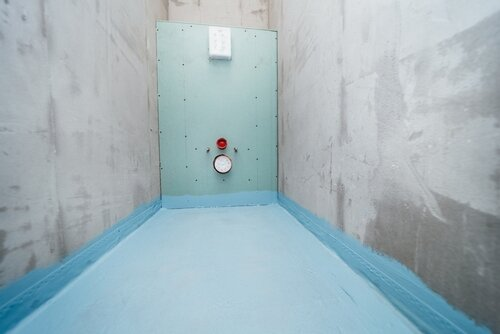
Bathroom Waterproofing is the first line of defence against the leaks that can ruin a Glen Iris home. From the moment you lay the first tile, a proper waterproofing system stops moisture from seeping into walls, floors, and the underlying slab. That’s why every reputable contractor in glen iris starts with a solid membrane before any finish work.
Why Bathroom Waterproofing Is Mandatory in Glen Iris —
In my experience the Victorian climate brings high humidity and occasional heavy rains that push moisture into every corner of a bathroom. If you skip waterproofing you’ll see mould peeling paint and even structural rot on timber frames — The local building code (AS 3740) makes it clear: a water‑tight barrier is required before any tiling or plastering.
- Protects the slab‑on‑grade foundation common in Glen Iris homes.
- Stops water from reaching the timber joists behind the bathroom.
- Meets the Victorian Building Authority’s compliance checklist.
And the resale value of a house with a documented waterproofing system is noticeably higher. Buyers in the Balwyn‑North and Malvern East pockets ask for proof of a 25‑year warranty before they sign.
Understanding the Layers – Membrane, Primer, Sealant
What typically happens is a three‑step sandwich: primer membrane, & sealant. The primer bonds the membrane to the substrate the membrane blocks water and the sealant finishes the corners and joints. Skipping any layer invites leaks that are hard to locate later.
- Primer: usually a cement‑based bonding agent.
- Membrane: can be sheet, liquid‑applied, or cementitious.
- Sealant: silicone or hybrid polymer for corners.
But the choice of membrane depends on the bathroom’s construction. You know? Brick walls on a slab need a thicker sheet, while a timber‑framed upstairs bathroom can work with a lightweight liquid coating.
Choosing the Right System – Sheet vs Liquid vs Cementitious
From what I’ve seen in Glen Iris, each system has its sweet spot.
| System | Best For | Pros | Cons |
|---|---|---|---|
| Sheet Membrane (e.g., Schluter‑Kerne) | Brick or concrete walls, high‑traffic showers | Reliable barrier, easy to inspect, long‑term warranty | Requires skilled installation, seams must be taped |
| Liquid‑Applied Coating (e.g., RedGard) | Irregular surfaces, retrofit over existing tiles | Seamless fast to apply works on curves | Long cure time sensitive to temperature |
| Cementitious Membrane (e.g., Mapei AquaDefense) | Timber‑framed ceilings, budget‑focused projects | Low‑VOC, simple tools, can be painted over | Thicker layer needed, may crack if substrate moves |
And the local installer I trust – a licensed waterproofing specialist with a Master Builders Association certification – always tests the substrate with a calcium chloride moisture test before deciding which system to use.
Local Regulations and Certifications
Victorian Building Authority (VBA) requires a written waterproofing plan signed off by a licensed tradesperson. The plan must reference AS 3740 and include a moisture‑testing record. A qualified plumber (VBA #12345) or a certified waterproofing contractor (Master Builders Association – MBC 6789) can provide the necessary documentation.
- All work must be inspected by a VBA‑approved building surveyor.
- Warranties of at least 10 years are standard; many premium products offer 25 years.
- Insurance providers in Glen Iris often lower premiums when a waterproofing warranty is on file.
But even with paperwork, the real test is the membrane’s performance. That’s why I always recommend a third‑party test after the membrane cures, using a flood‑test kit approved by the Victorian Building Authority.
Step‑by‑Step Process for a Glen Iris Renovation
Here’s what I tell people when they call for a bathroom remodel in the suburb of Glen Iris.
- Initial inspection – plumber checks existing plumbing and identifies any hidden leaks.
- Moisture testing – calcium chloride test to confirm the slab is dry.
- Surface preparation – clean, repair cracks, apply primer.
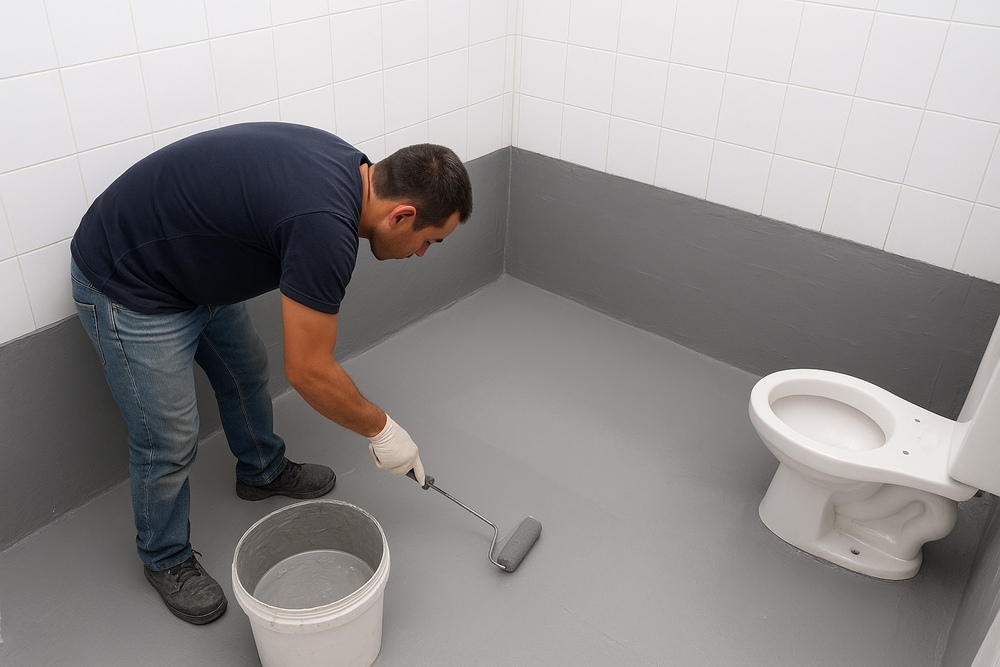
- Membrane installation – choose sheet, liquid, or cementitious based on the substrate.
- Sealant application – silicone at corners, walk‑on joints.
- Tile work – only after the membrane cures (usually 24‑48 hours).
- Final inspection – building surveyor signs off, warranty paperwork issued.
And the whole timeline for a standard 6 m² bathroom is about 7‑10 days, not counting the optional demolition of existing tiles.
Common Mistakes and How to Avoid Them —
I’ve noticed three recurring errors that cost Glen Iris homeowners thousands.
- Skipping the primer – the membrane can’t adhere properly.
- Using the wrong thickness – thin sheets crack under tile weight.
- Neglecting corner sealing – water finds the weakest point.
But fixing these is easy when you follow a checklist.
- Always clean the substrate to dust‑free condition.
- Run a moisture test after any plumbing repairs.
- Apply a minimum 1.5 mm sheet membrane or a 2‑mm liquid coating.
- Seal every corner with a hybrid polymer sealant.
Real‑World Case Study – Glen Iris Family Home —
When the Thompsons in the Glen Iris suburb of Burwood East renovated their master bath, they discovered a slow leak behind the old tile that had caused mould on the timber joists — A licensed waterproofing contractor, certified by the Master Builders Association, performed a full substrate repair. They used a sheet membrane on the walls and a liquid‑applied coating on the shower pan. After a 48‑hour cure, the new tiles were laid, and a flood‑test confirmed zero water ingress. Six months later, the family reported no signs of moisture, and the home’s insurance premium dropped by 5 %. The 25‑year warranty gave them confidence for future resale.
FAQ – Bathroom Waterproofing in Glen Iris
Do I need waterproofing on walls only?
No. Both walls and the floor (shower pan) require a water‑tight barrier. The floor protects the slab, while walls stop moisture from reaching the joists.
Can I waterproof a bathroom with existing tiles?
It’s possible with a liquid‑applied coating, but the surface must be cleaned, pre‑treated, and any cracked tiles removed. A professional will do a moisture test first.
What’s the typical lifespan of a waterproofing system?
High‑quality sheet membranes and liquid coatings often last 20‑25 years when installed correctly. Cementitious systems may need re‑coating after 10‑15 years.
How much does bathroom waterproofing cost in Glen Iris?
Costs vary by size & system. A 6 m² bathroom using a sheet membrane typically runs ‑ including labour and warranty. Liquid‑applied systems are slightly cheaper but may need a longer cure period.
What should I look for in a waterproofing contractor?
Choose someone with a VBA licence, a Master Builders Association certification, and a written warranty. Ask for references from recent Glen Iris projects and verify that they perform a moisture test before installing the membrane.