

Have you ever noticed slow drains, gurgling sounds from your pipes, or mysterious damp patches appearing in your garden? Perhaps you’ve caught a whiff of something unpleasant coming from your drains and wondered what’s lurking beneath the surface? If you’re a Sydney homeowner facing these issues, you’re probably dreading the thought of having your entire yard dug up to fix damaged pipes. But here’s the good news—there’s a smarter way to solve these problems.
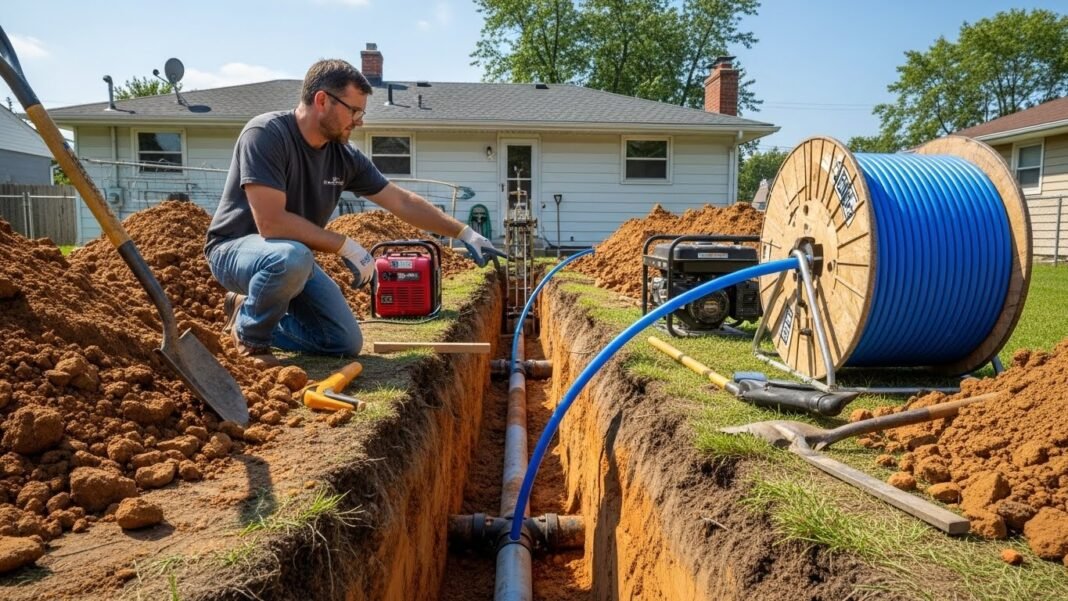
Pipe relining has revolutionised how we repair damaged pipes across Australia. This trenchless technology allows specialists to fix broken, cracked, or tree root-invaded pipes without the mess and disruption of traditional excavation methods. Instead of digging trenches through your beautiful garden or tearing up driveways, technicians can create essentially a brand-new pipe inside your existing one. It’s clever stuff, and it’s becoming increasingly popular among Sydney property owners who want effective repairs without the chaos.
In this guide, we’ll walk you through everything you need to know about pipe relining techniques. You’ll discover how the process works, understand the role of pipe relining resin in creating durable repairs, and learn which technique might suit your property best. We’ll also cover costs, warning signs to watch for, and how to choose a reliable specialist in Sydney. By the end, you’ll have all the information needed to make an informed decision about your pipe repairs.
How Does Pipe Relining Work?
The Step-by-Step Pipe Relining Process
The pipe relining process begins with a thorough CCTV inspection of your drainage system. A specialist inserts a small camera into your pipes to identify exactly where damage has occurred and assess its severity. This diagnostic step is crucial because it determines which relining technique will work best for your situation.
Once the problem areas are identified, technicians clean the pipes using high-pressure water jetting. This removes debris, tree roots, grease buildup, and any other blockages. Clean pipes are essential because the pipe relining resin needs a smooth surface to bond properly.
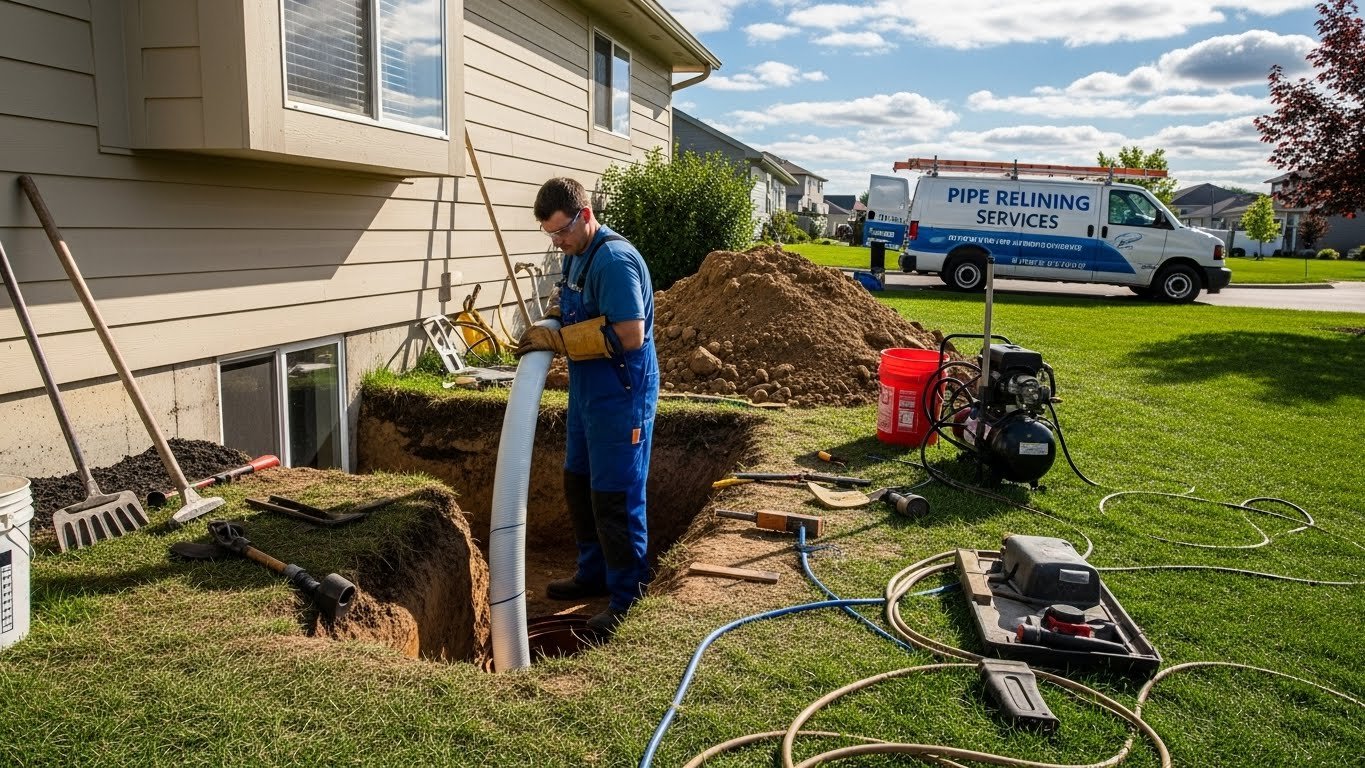
After cleaning, a flexible liner saturated with pipe relining resin is inserted into the damaged pipe. The liner is then inflated to press firmly against the pipe walls. Using either ambient temperature, hot water, or UV light, the resin cures and hardens, creating a strong new pipe within your old one. The entire process typically takes just a few hours, and your pipes are ready to use within a day.
Understanding Pipe Relining Resin: The Key to Long-Lasting Repairs
Pipe relining resin is the secret ingredient that makes this technology so effective. This specially formulated material creates an incredibly strong bond with your existing pipe walls, essentially forming a seamless new pipe structure inside the old one.
The quality of pipe relining resin directly impacts how long your repairs will last. High-grade resins used by reputable Australian companies can extend your pipe’s lifespan by 50 years or more. These resins are designed to resist chemicals, withstand root intrusion, and handle the constant flow of wastewater without degrading.
Types of Pipe Relining Resin Used in Australia
Australian pipe relining specialists typically use epoxy or polyester-based resins. Epoxy resins are known for their exceptional durability and chemical resistance, making them ideal for sewer and stormwater applications. Polyester resins cure faster and offer excellent flexibility, which works well in pipes with slight movements.
Some companies also use silicate resins for specific applications. The choice of pipe relining resin depends on factors like pipe material, diameter, and the type of damage being repaired. A quality contractor will recommend the most suitable resin for your particular situation.
Common Pipe Relining Techniques Explained
CIPP (Cured-in-Place Pipe) Lining
CIPP is the most widely used pipe relining method in Australia. A resin-saturated felt tube is inserted into the damaged pipe and inflated against the walls. The pipe relining resin then cures to form a smooth, jointless lining that’s resistant to corrosion and root intrusion.
This technique works brilliantly for longer pipe sections and can handle bends and junctions. CIPP creates a continuous lining that eliminates joints—those weak points where roots often find their way in.
Patch Lining for Localised Damage
When damage is confined to a specific area, patch lining offers a cost-effective solution. Instead of relining the entire pipe, technicians apply a resin-saturated patch only to the damaged section.
This targeted approach saves money and time whilst still providing a durable repair. Patch lining is perfect for isolated cracks, small holes, or joint failures.
Pull-in-Place Lining
Pull-in-place lining involves pulling a resin-coated liner through the pipe and positioning it precisely at the damage location. Once in place, the liner is inflated and cured using the same methods as CIPP.
This technique offers excellent precision and works well for pipes with multiple access points. It’s particularly useful when dealing with complex pipe configurations.
Which Technique is Right for Your Property?
The best technique depends on your specific situation. Factors include the extent and location of damage, pipe diameter and material, and access points available. A professional assessment will determine the most suitable approach for your Sydney property.
Signs Your Pipes Need Relining
Warning Signs Sydney Homeowners Should Never Ignore
Recurring drain blockages are often the first indicator of pipe damage. If you’re constantly calling plumbers for the same blocked drain, there’s likely an underlying structural issue that basic clearing won’t fix.
Foul odours emanating from drains suggest cracks or breaks allowing sewage to escape. Unexplained wet patches in your garden, especially during dry weather, indicate underground leaks. You might also notice increased pest activity, as rats and cockroaches can enter through damaged pipes.
Slow-draining sinks and toilets, gurgling sounds, and sudden increases in water bills all warrant investigation. If your home was built before 1980, your pipes may be clay or cast iron—materials prone to deterioration over time.
Is Pipe Relining Suitable for All Types of Pipes?
Pipe relining works on most pipe materials including clay, PVC, cast iron, concrete, and even copper. However, pipes must retain enough structural integrity to support the new lining. Severely collapsed pipes may require excavation and replacement.
Pipe diameter also matters. Most residential pipes between 40mm and 300mm diameter can be relined successfully. A CCTV inspection will confirm whether your pipes are suitable candidates for relining.
Benefits of Pipe Relining for Australian Properties
Cost Savings and Minimal Disruption
Pipe relining typically costs 50-75% less than traditional pipe replacement. You’ll save on excavation, landscaping restoration, and potential driveway or pathway repairs. Plus, the job takes a fraction of the time—often just one day compared to several days for excavation.
Your garden, paving, and structures remain untouched. There’s no heavy machinery tearing through your property, no mountains of dirt to dispose of, and no expensive restoration work afterwards.
How Long Does Pipe Relining Last?
Quality pipe relining using premium pipe relining resin can last 50 years or more. Many manufacturers offer warranties of 35-50 years, demonstrating confidence in the technology’s longevity.
The cured lining is actually stronger than many original pipe materials. It’s corrosion-resistant, root-resistant, and creates a smoother surface that improves flow capacity.
Environmental Benefits of Trenchless Technology
Pipe relining is the environmentally responsible choice. Minimal excavation means less soil disturbance, reduced carbon emissions from heavy machinery, and less waste heading to landfill. You’re essentially recycling your existing pipes rather than replacing them entirely.
Pipe Relining Costs in Sydney
What Factors Influence Pipe Relining Prices?
Several factors affect pricing: pipe length and diameter, extent of damage, access difficulty, and the type of pipe relining resin required. Complex jobs involving multiple bends or junctions may cost more than straightforward runs.
Most Sydney specialists offer free quotes following a CCTV inspection. Expect to pay anywhere from $500 for minor patch repairs to $15,000+ for extensive whole-property relining.
Is Pipe Relining Worth the Investment?
Absolutely. When you factor in avoided excavation costs, landscaping restoration, and potential structural repairs, pipe relining delivers excellent value. The longevity of repairs—50 years or more—means you’re making a once-in-a-lifetime investment in your property’s plumbing infrastructure.
Choosing a Pipe Relining Specialist in Sydney
What to Look for in a Professional Company
Choose a company with industry experience and proper licensing. Look for specialists who use quality pipe relining resin from reputable manufacturers and offer substantial warranties on their work.
Check online reviews and ask for references from previous Sydney customers. A trustworthy company will happily show you before-and-after CCTV footage of their completed jobs.
Questions to Ask Before Hiring
Ask about the specific pipe relining resin they use and why. Enquire about their warranty terms, estimated timeframes, and what’s included in the quoted price. Request to see their insurance certificates and plumbing licences.
Conclusion: Is Pipe Relining Right for You?
Pipe relining has transformed how Sydney homeowners approach drainage repairs. This trenchless technology offers a faster, cleaner, and more cost-effective alternative to traditional excavation methods. The combination of advanced pipe relining resin technology and skilled installation creates repairs that can last half a century or longer.
Throughout this guide, we’ve explored how pipe relining works, from initial CCTV inspection through to cured liner installation. We’ve examined different techniques like CIPP and patch lining, discussed warning signs that indicate pipe damage, and highlighted the substantial benefits for Australian properties. Understanding these fundamentals empowers you to make confident decisions about your plumbing needs.
If you’re experiencing recurring drain issues or suspect pipe damage, pipe relining is definitely worth considering. Get a professional inspection, request quotes from several reputable Sydney specialists, and ask plenty of questions about the pipe relining resin and techniques they recommend. Your property—and your garden—will thank you for choosing the smarter approach to pipe repairs.