


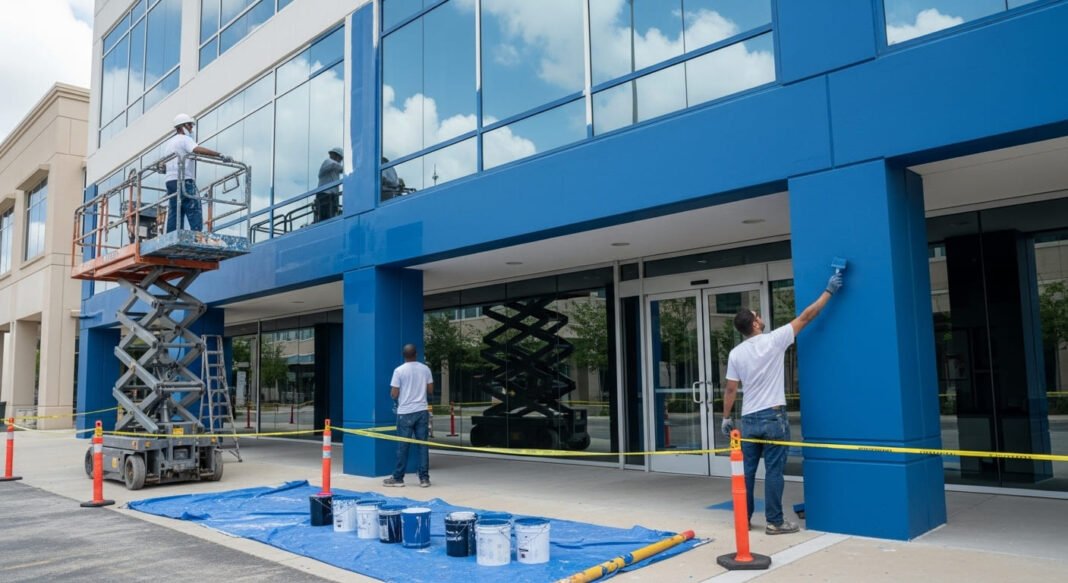
Ever walked past a building with a fresh coat of paint that makes it stand out, drawing your eye and inviting you in? Commercial painting does exactly that, transforming tired facades and interiors into assets that attract tenants, customers, and buyers. In Australia, where coastal salt air erodes surfaces and inland heat bakes colors away, smart commercial painting protects and enhances properties, quietly adding value through durability and appeal. This guide explores how commercial painting lifts your investment, from prep to finishes, with local tips to make it work for your sites from Sydney offices to Perth warehouses.
The Basics of Commercial Painting and Its Lasting Effects
Commercial painting covers large-scale applications on business buildings, using tough paints to shield walls, roofs, floors, and exteriors from daily wear. It starts with surface cleaning and repairs, followed by priming for grip, then layers of color for protection and style. For Australian properties, commercial painting chooses formulas that fight UV rays in sunny Queensland or humidity in Darwin, keeping finishes crisp longer.
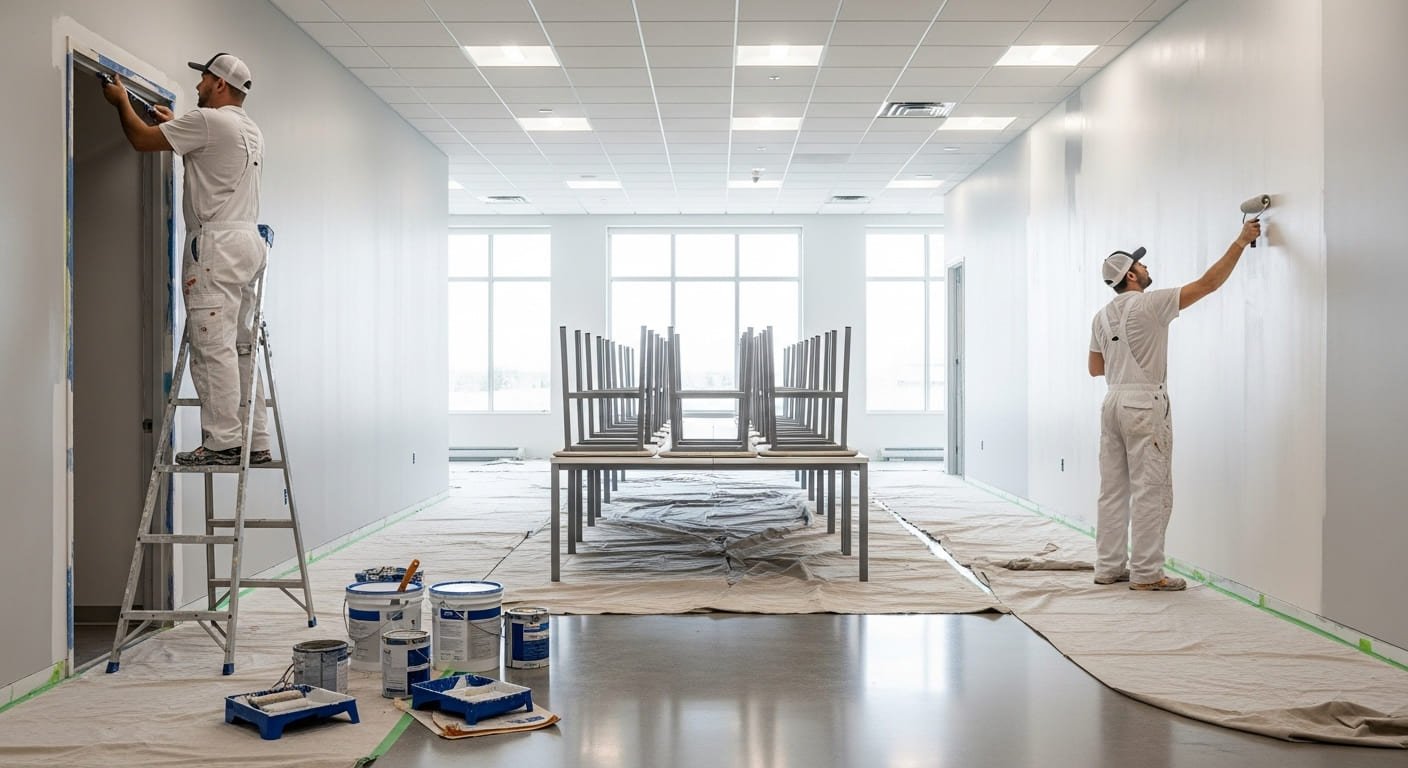
The process minimizes disruption—teams use drop cloths and barriers in active spaces, applying with sprayers for even coats. Beyond looks, commercial painting seals against moisture, preventing rust in coastal New South Wales or cracking in dry South Australia. It ties into renos, refreshing tiled lobbies or concrete floors to match modern tastes.
Examples: A Melbourne cafe applied vibrant interior paints, brightening the space and boosting foot traffic in the city’s laneways. In Brisbane, exterior commercial painting guarded a warehouse from tropical rains, making it more appealing for leases.
Steps in a Typical Commercial Painting Project
Commercial painting unfolds like this:
- Assessment: Spotting wear and choosing colors.
- Preparation: Scraping old layers and filling cracks.
- Priming: Base for adhesion and even coverage.
- Painting: Multiple coats for depth and seal.
- Finishing: Cleanup and final inspections.
These ensure commercial painting delivers quality.
How Commercial Painting Increases Property Appeal and Worth
Commercial painting refreshes exteriors to create strong first impressions—clean lines and bold hues signal a well-kept building, drawing higher rents in competitive Sydney markets. Interiors gain warmth with neutral tones in offices, fostering productivity and tenant loyalty. In Australia, where curb appeal sways buyers, a painted facade hides minor flaws, speeding sales.

Protection builds value too—anti-mold paints in humid Cairns prevent costly fixes, while reflective shades in Perth cut cooling needs, appealing to green investors. Compliance with standards, like low-VOC for indoor air, avoids fines and attracts health-focused lessees. Culturally, commercial painting reflects community vibes—in multicultural Adelaide, earthy tones suit diverse retail strips.
Examples: A Gold Coast hotel used coastal-inspired paints for exteriors, enhancing tourism draw in Queensland. In Hobart, subtle heritage colors preserved a building’s charm, lifting rental rates in Tasmania.
Hidden Financial Gains from Commercial Painting
- Faster tenant turnover with inviting spaces.
- Lower upkeep from durable, weather-resistant coats.
- Energy savings with heat-reflective options.
- Compliance ease for insurance and audits.
- Higher market value from updated aesthetics.
These perks make commercial painting a smart move.
Challenges in Commercial Painting for Australian Buildings
Australia’s weather creates hurdles—salt spray in Sydney erodes paints, needing marine-grade barriers. Inland dryness in Alice Springs causes chalking, requiring UV blockers. Bushfire zones in rural Victoria demand low-flame formulas for safety.
Regulations under the Building Code specify non-toxic paints for occupied areas, with states adding rules like New South Wales’ VOC limits. Providers tailor solutions, while competitors focus on quick-dry or eco-lines.
Cultural elements guide choices—in vibrant Brisbane, bold palettes energize markets. Examples: A Perth office chose heat-reflective paints for summer comfort, suiting Western Australia’s sun. In Launceston, breathable coats maintained riverside heritage in Tasmania.
Navigating Regional Commercial Painting Hurdles
- Coastal Erosion: Salt-resistant layers in Queensland.
- Inland Fading: UV-protective in South Australia.
- Urban Density: Low-odor for Sydney work.
- Rural Exposure: Fire-safe in Western Australia.
These keep commercial painting effective.
Planning a Commercial Painting Project for Success
Begin with a site survey—note exposure, like sun on north faces or shade in courtyards, to pick suited paints. Select colors that match branding or blend with neighbors, testing samples for light play. Opt for low-maintenance finishes, like semi-gloss for easy wipes in high-traffic spots.
Time jobs for low-activity periods, using ventilation in enclosed areas. Hire teams experienced in your building type, ensuring safety gear and dust control. After, inspect for evenness and seal edges against weather.
Examples: A Darwin mall scheduled painting during off-peak, using mold-resistant coats for tropics. In Canberra, neutral exteriors met federal standards for a government site.
Practical Tips for Commercial Painting
- Clean thoroughly before starting.
- Use primers for tricky surfaces.
- Coordinate with other trades.
- Document for records and warranties.
- Plan follow-up coats as needed.
These smooth commercial painting.
Questions and Answers: Common Questions About Commercial Painting in Australia
Q: What paints resist salt in Sydney commercial painting?
Ans: Marine acrylics form barriers. They shield New South Wales buildings from harbor corrosion.
Q: How does commercial painting comply with Melbourne codes?
Ans: Low-VOC options ensure safe air. Victoria mandates this for occupied interiors.
Q: Are sustainable paints common in Brisbane commercial painting?
Ans: Water-based formulas cut emissions. They align with Queensland’s green building push.
Q: What options suit hot Perth exteriors?
Ans: Reflective coatings reduce heat. This protects Western Australia’s sunny facades.
Q: How does commercial painting fit heritage in Hobart?
Ans: Breathable paints preserve details. Tasmania requires this for historical sites.
Conclusion: Your Path to a Successful Commercial Painting in Australia
Commercial painting enhances property value with protective, appealing coats that withstand coastal salt, inland dryness, and bushfire threats, while meeting regulations for durable, inviting spaces. It draws tenants, saves energy, and reflects cultural community needs, from Sydney shops to Perth offices. This guide covers benefits, challenges, and planning, with examples highlighting commercial painting’s role in cost-effective, vibrant properties across our regions.