

Why Are Split Systems So Much In Trend?
What Is a Split System?
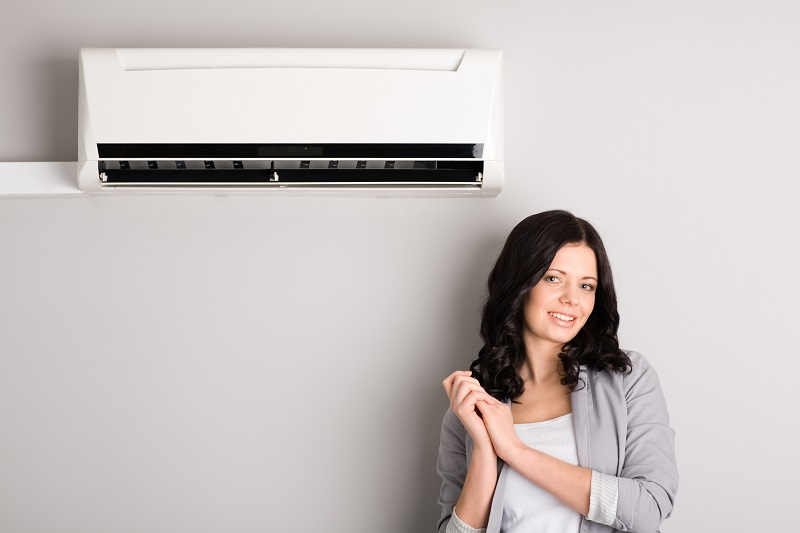
A split system is a type of air‑conditioning unit that has two main parts: an indoor evaporator that blows cool or warm air into a room, and an outdoor condenser that releases heat to the outside. The two parts are linked by a small copper pipe and a power cable, so the system works without a large duct network. This design makes split systems ideal for homes that need a quick, efficient way to control temperature in one or more rooms.
Why Australians Love Split Systems
Climate and Comfort
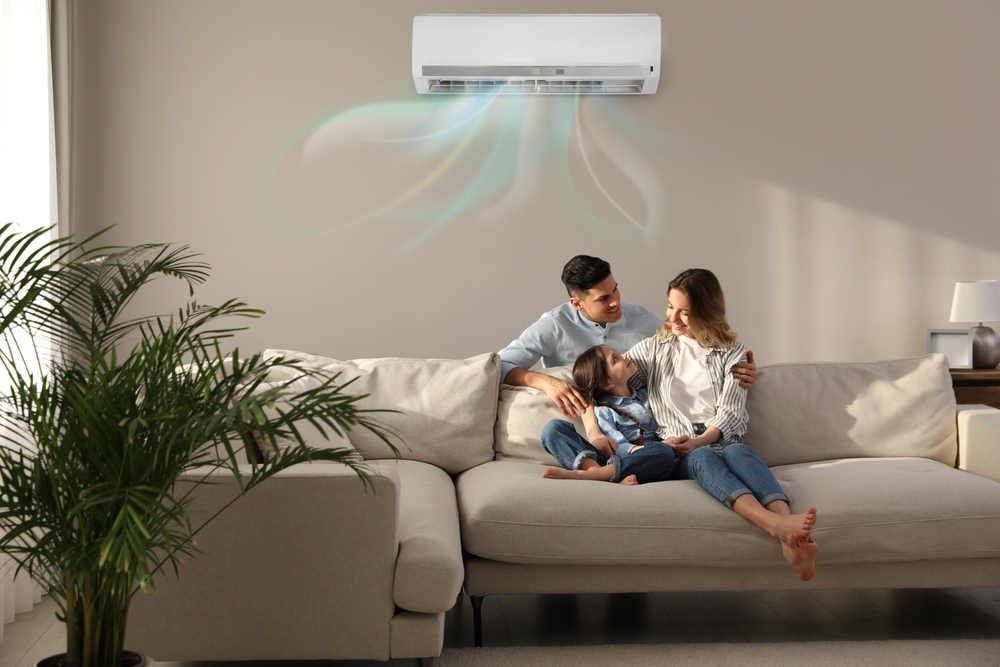
Australia’s climate varies from tropical north to temperate south, and many households experience hot summers and cool winters. Split systems can heat both heating and cooling, so they stay comfortable all year round. In places like Queensland, where temperatures often climb above 35 °C, a split system can quickly lower indoor heat. In cooler regions such as Tasmania, the same unit can provide gentle warmth without the high cost of a full‑size furnace.
Energy Efficiency and Bills
Modern split systems use inverter technology, which adjusts the compressor speed to match the room’s needs. This means they use less electricity than older fixed‑speed units, helping Australian families keep their energy bills down. The Australian Government’s Energy Rating Label makes it easy to compare efficiency, and many states offer rebates for high‑efficiency split systems.
Design Flexibility
Because split systems do not require ductwork, they can be installed in almost any room – from a small studio apartment in Sydney to a spacious family room in Perth. The indoor units come in wall‑mounted, ceiling‑cased, or floor‑standing styles, allowing homeowners to match the look of their interior décor. This flexibility is especially valuable in older homes where adding ducts would be costly or impossible.
Key Features to Look For
- Inverter Compressor: Provides variable speed control for better energy savings.
- Smart Connectivity: Allows control via a smartphone app or voice assistant, which is popular among tech‑savvy Australians.
- Air Filtration: Includes filters that capture pollen, dust, and pet dander – a great benefit for people with allergies.
- Heating Capacity: Choose a unit with a heating rating that matches the local winter climate.
- Noise Level: Look for units rated below 45 dB for indoor comfort, especially in bedrooms.
- Warranty and Service: A solid warranty (typically 5‑7 years) and a local service network are important for long‑term peace of mind.
Local Regulations and Installation Standards
In Australia, split system installation must follow the Australian Standard AS/NZS 60335 for safety and performance. Installers need to be licensed under the relevant state or territory electrical board, such as the NSW Fair Trading or the Queensland Building and Construction Commission. Some councils also require a permit for outdoor units that are mounted near property lines or heritage sites. Checking these requirements before hiring an installer helps avoid costly re‑work.
Choosing the Right Provider in Australia
Finding a trustworthy local provider is key to a smooth split system experience. Many Australian families turn to regional specialists who understand the climate nuances of their state. For example, in the Gold Coast, a provider that knows how to protect units from salt‑air corrosion is valuable. In Adelaide, a company that offers a quick turnaround for winter heating installations is preferred.
- Local Experience: Look for installers who have worked in your specific climate zone.
- Transparent Pricing: A clear quote that separates equipment, labour, and any required permits.
- After‑Sales Support: Access to a service hotline and routine maintenance plans.
- Reputation: Customer reviews on Google or local forums such as ProductReview.com.au can reveal reliability.
Maintenance Tips for Longevity
Keeping a split system in good shape ensures it runs efficiently and lasts longer. Here are simple steps Australian homeowners can follow:
- Check and clean the indoor filter every 1‑2 months, especially during pollen season.
- Inspect the outdoor unit for leaf buildup, dust, or debris that can block airflow.
- Schedule a professional service at least once a year – ideally before the summer cooling period and before winter heating.
- Ensure the refrigerant level is correct; low levels can cause the compressor to overheat.
- Keep the surrounding area clear of plants or furniture that could restrict ventilation.
Questions and Answers: Common Questions About Split Systems in Australia
What size split system do I need for a 3‑bedroom house in Melbourne? The size depends on the total floor area, ceiling height, and insulation level. For a typical 150 m² home with average insulation, a 12‑kW cooling capacity and a 9‑kW heating capacity will usually be sufficient. A qualified installer can perform a Manual J calculation to fine‑tune the size.
Are split systems eligible for government rebates? Yes. Both the Australian Government’s Energy Efficient Home Improvement Program and several state‑specific schemes offer rebates for split systems that meet a minimum energy star rating. Check the local energy department website for the latest eligibility criteria and application process.
Can I install a split system myself, or do I need a licensed electrician? Installation involves electrical work, refrigerant handling, and compliance with building codes, so a licensed electrician or accredited HVAC installer must carry out the job. DIY installation can void warranties and breach safety regulations.
How noisy are modern split systems compared to older models? Modern inverter split systems typically operate at 35‑45 dB for indoor units, which is similar to a quiet conversation. Older fixed‑speed units can be louder, often exceeding 55 dB. Choosing a low‑noise model and placing the indoor unit away from sleeping areas can further reduce perceived sound.
What maintenance does a split system need during the Australian summer? During the hot months, focus on keeping the outdoor condenser clear of dust and debris, cleaning the indoor filter regularly, and checking that the thermostat is set correctly. A professional service before summer starts ensures the refrigerant charge is optimal and the compressor is in good health.
Conclusion: Your Path to a Successful Split Systems in Australia
Split systems have become a top choice for Australian homes because they blend comfort, efficiency, and design flexibility. By understanding the local climate, following safety regulations, and selecting a reputable provider, you can enjoy reliable heating and cooling all year round. Remember to size the unit correctly, take advantage of any energy rebates, and keep up with regular maintenance. With these steps, your split system will not only lower your energy bills but also add value to your home. Start by contacting a local installer, ask for a detailed quote, and schedule a professional service before the next season begins. Your comfortable, energy‑smart home is just a few clicks away.