


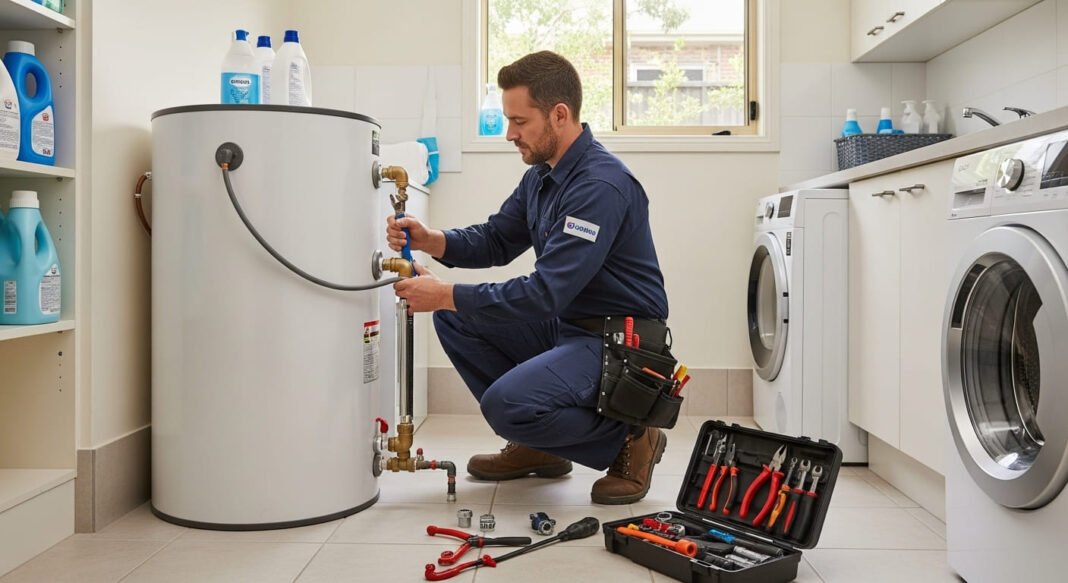
When a buyer looks at a property, the hot water service is a hidden but vital part of the deal. A reliable hot water service can add value, reduce future costs, and give peace of mind. This guide is written for buyers agents across Australia, helping you understand the options, regulations, and best practices so you can advise clients with confidence.
Why a Hot Water Service Matters for Buyers Agents
A hot water service is more than a convenience; it is a key component of a home’s overall performance. For a buyers agent, knowing the condition and type of hot water service can:
- Identify potential repair costs before a sale.
- Help price the property accurately.
- Provide confidence to buyers who may be unfamiliar with local systems.
- Support negotiations around warranties or upgrades.
Common Types of Hot Water Service in Australia
Electric Storage Tanks
Electric storage tanks are popular in many Australian states because they are easy to install and work well in homes with limited space. They store heated water in an insulated tank and keep it ready for use.
Gas-Powered Instant (Tankless) Systems
Gas instant systems heat water on demand, eliminating the need for a large tank. They are energy-efficient and ideal for larger families or homes with high hot-water demand.
Solar Hot Water Systems
Solar hot water systems use rooftop panels to capture sunlight and heat water. They are common in sunny regions such as Queensland, New South Wales, and parts of Western Australia. Many installations combine solar with a backup electric or gas heater.
Heat Pump Systems
Heat pumps extract heat from the air and transfer it to water. They are gaining popularity in cooler climates like Tasmania and Victoria because they can reduce electricity use compared with traditional electric tanks.
Local Regulations and Standards
Each Australian state and territory has its own rules for hot water service installation and safety. Buyers agents should be aware of the following:
- New South Wales (NSW)– The Building Code of Australia (BCA) requires a pressure-relief valve on all storage tanks and a minimum insulation rating of R-2.5.
- Victoria (VIC)– The Victorian Building Authority mandates regular inspection of gas-powered systems and a compliance certificate for solar installations.
- Queensland (QLD)– The Queensland Building and Construction Commission (QBCC) enforces a licensing requirement for any contractor working on a hot water service.
- South Australia (SA)– The South Australian Building Code requires a minimum 2-year warranty on new hot water installations.
- Western Australia (WA)– The Building Commission of WA specifies that all electric heaters must have a safety cut-off device.
- Tasmania (TAS)– The Department of Justice requires a water-efficiency rating for new systems installed after 2020.
- Northern Territory (NT)– The NT Building Act encourages the use of solar hot water where feasible.
Choosing a Hot Water Service Provider
A reliable provider can make the difference between a smooth transaction and a costly surprise. When evaluating providers, consider the following factors:
- Licensing and insurance status.
- Local reputation and customer reviews.
- Availability of service contracts and warranties.
- Response time for repairs or emergencies.
- Experience with the specific type of system you are assessing.
Cost Considerations for Buyers Agents
Understanding the cost structure helps you guide clients on budgeting and negotiation. Typical cost elements include:
- Initial purchase price– Varies by type; solar systems are usually the most expensive upfront.
- Installation fees– Depend on location, complexity, and whether gas or electrical work is required.
- Operating costs– Electricity or gas consumption, which can be estimated using the Home Energy Rating System (HERS) for the property.
- Maintenance and inspection– Annual checks for gas safety, tank corrosion, and solar panel cleaning.
- Potential rebates– Many states offer incentives for solar hot water or high-efficiency systems.
Installation and Maintenance Tips
Pre-Purchase Checklist
Before finalising a sale, ask the seller for the following documentation:
- Installation date and any warranty paperwork.
- Service records for the past 2-3 years.
- Proof of compliance with local regulations.
- Energy rating or performance data.
During Installation
If a new hot water service is required, follow these best practices:
- Use a licensed plumber or gas fitter.
- Ensure proper ventilation for gas units.
- Install a pressure-relief valve and temperature-limiting device.
- Check that the system is correctly sized for the household’s peak demand.
Ongoing Maintenance
Regular maintenance keeps the hot water service efficient and safe:
- Inspect the anode rod in electric tanks every 12-18 months.
- Flush the tank to remove sediment, especially in hard-water areas.
- Test gas valves and burners annually.
- Clean solar panels and check the controller for faults.
- Schedule a professional inspection before the warranty expires.
Common Mistakes Buyers Agents Should Avoid
Even experienced agents can overlook details that affect a hot water service. Watch out for:
- Assuming all electric tanks are the same size.
- Ignoring local council requirements for solar installations.
- Overlooking the need for a licensed gas plumber.
- Failing to verify the age of an existing system.
- Not factoring in future energy price changes.
Questions and Answers: Common Questions About hot water service in Australia
Below are the most asked questions by home buyers and agents across the country. Each answer is written in plain language and focuses on Australian conditions.
What is the average lifespan of a hot water service in Australia?
A well-maintained electric storage tank typically lasts 10-12 years, while gas instant units can run 15-20 years. Solar and heat-pump systems often have warranties of 10-15 years, but the actual life can be longer if they are serviced regularly.
Do I need a special licence to install a hot water service?
Yes. In every state, a licensed plumber must install electric or solar tanks, and a licensed gas fitter is required for gas-powered systems. This ensures compliance with safety standards and protects the buyer’s warranty.
Are there government rebates for solar hot water systems?
Many states offer rebates or tax incentives for solar hot water. For example, the NSW Sustainable Energy Development Authority provides a rebate of up to $1,500, while Queensland’s Solar Hot Water Rebate can cover up to $2,000. Check the latest state government website for current offers.
How much does a typical hot water service cost in Australia?
Costs vary widely. An electric storage tank can cost between $800 and $1,500, including installation. Gas instant units range from $1,200 to $2,500. Solar hot water systems start at $3,000 and can exceed $7,000 for larger homes with backup heaters.
Can I switch from an electric tank to a solar system after buying a house?
Yes, but you will need a licensed plumber to remove the old tank and a licensed solar installer for the new panels and controller. The roof orientation, shading, and roof space must be suitable for solar, so a site assessment is recommended before making the switch.
Conclusion: Your Path to a Successful hot water service in Australia
A reliable hot water service is a key selling point for any property. By understanding the types of systems, local regulations, cost factors, and maintenance needs, buyers agents can provide clear, trustworthy advice. Use the checklist and questions above to verify the existing service, recommend reputable providers, and guide clients toward energy-efficient upgrades. With this knowledge, you’ll help buyers make informed decisions, avoid unexpected repair costs, and close deals with confidence.
For more detailed information or to discuss a specific property, feel free to contact a licensed plumber or a qualified solar installer in your area. A well-planned hot water service can add value, improve comfort, and support a smooth transaction for every buyer.