

Why Stump Removal Matters
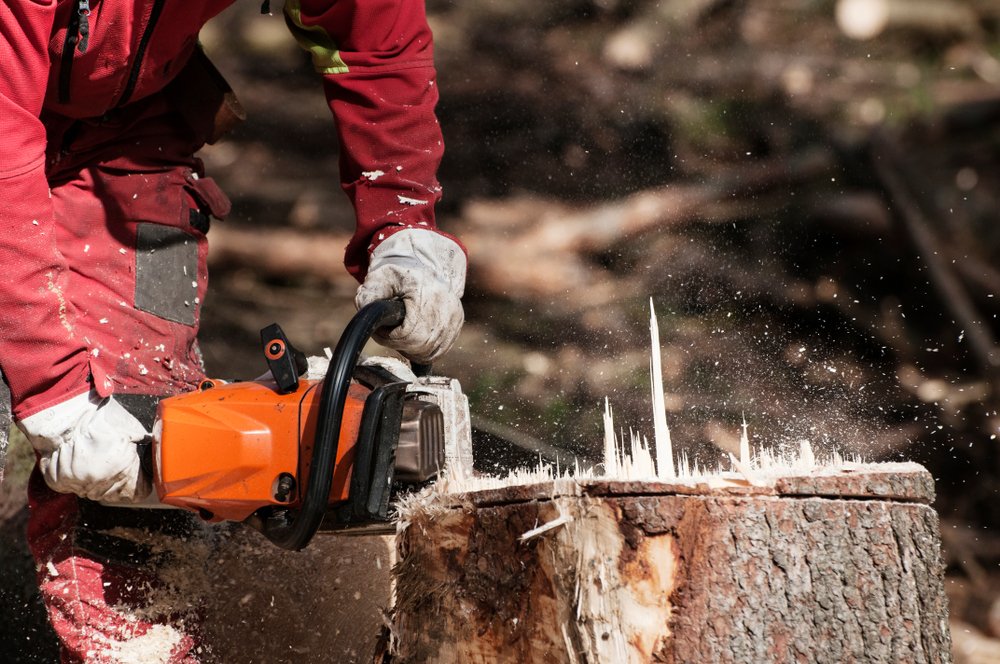
A tree stump left in the garden can become a safety hazard, a breeding ground for pests, and an eyesore that lowers the value of a property. In many Australian suburbs, neighbours and local councils expect yards to be tidy and free of obstacles. Removing a stump also prepares the ground for new landscaping, a patio, or a garden bed. For these reasons, stump removal is a common home-improvement task across the country, from the coastal towns of Queensland to the bushland of Victoria.
Methods of Stump Removal
Mechanical Grinding
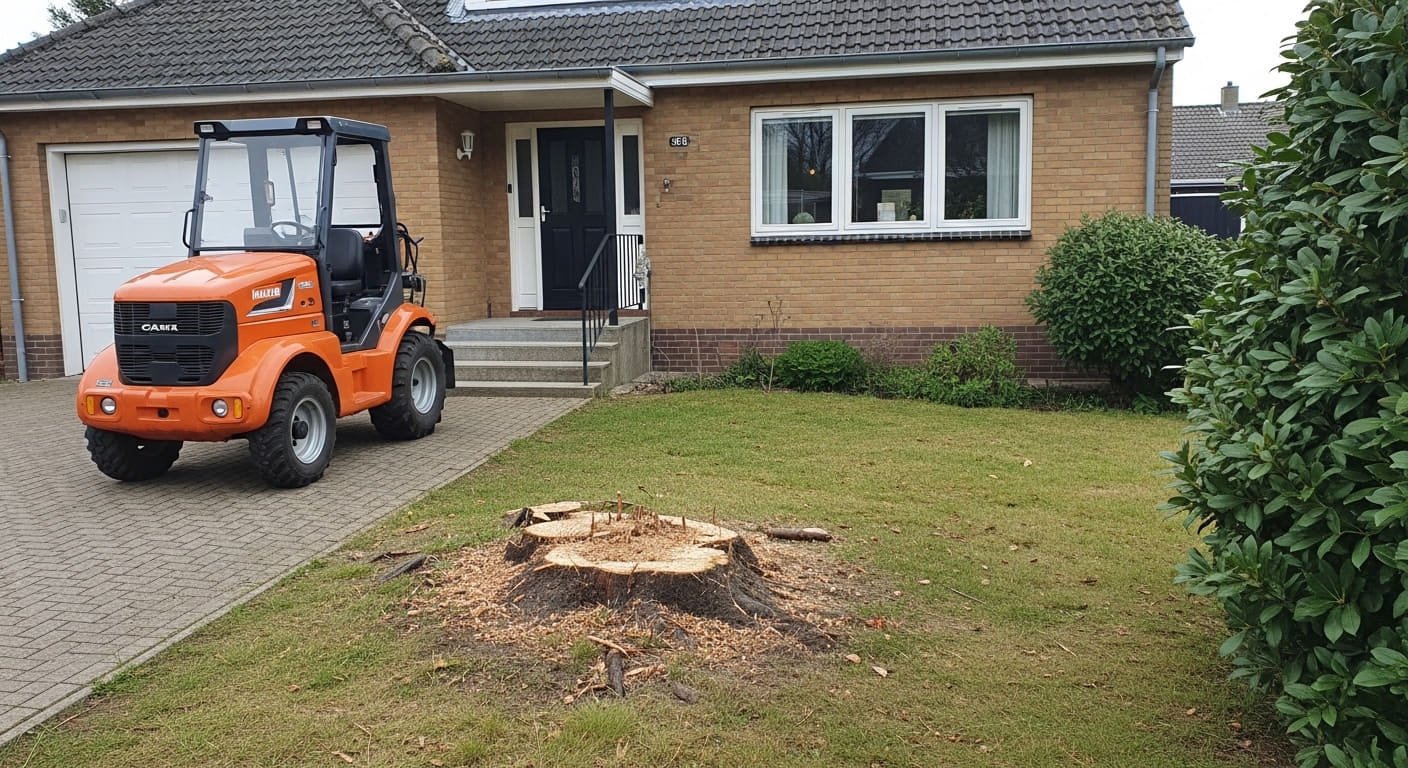
Mechanical grinding uses a heavy, rotating cutter to shave the stump down to a few centimetres below ground level. The machine, often called a stump grinder, can handle stumps up to 30 cm in diameter and works quickly on most soil types. In Australia, many service providers use portable grinders that can be driven onto the site, reducing the need for heavy trucks. The remaining wood chips can be left on the site for mulching or removed for a cleaner finish.
Chemical Decay
Chemical decay involves drilling holes into the stump and filling them with a potassium nitrate or copper sulphate solution. Over several weeks, the chemicals break down the wood, making it soft enough to break apart with a shovel. This method is popular in residential areas where noise restrictions apply, such as in Canberra’s quiet suburbs. It is slower than grinding but requires less equipment and can be done by a confident DIYer.
Excavation and Pull-Out
Excavation removes the soil around the stump, exposing the roots, which are then cut and pulled out with a winch or a tractor. This technique is useful for large, stubborn stumps or when the stump is close to a fence or a driveway. In the outback regions of Western Australia, where the ground is often hard and dry, a small excavator may be the most efficient choice.
Choosing the Right Service in Australia
When looking for a stump removal provider, consider the following factors:
- Local experience: Companies that have worked in your state understand the soil conditions and council rules.
- Insurance and licence: A licensed operator with public liability insurance protects you from accidents.
- Equipment type: Portable grinders are ideal for tight city lots, while larger machines suit rural properties.
- Environmental policy: Some providers recycle wood chips into compost, reducing waste.
- Customer reviews: Check online feedback on platforms such as Google or local community boards.
Legal and Environmental Considerations
Australian councils often have rules about tree removal and stump disposal. In New South Wales, a permit may be required if the tree is protected under the Biodiversity Conservation Act. In Queensland, the local council may require a site-restoration plan after stump removal to prevent erosion. It is also important to follow the Australian Pesticides and Veterinary Medicines Authority (APVMA) guidelines when using chemical decay products.
- Check with your local council before starting any work.
- Retain any permits for future property transactions.
- Dispose of wood chips according to council recycling programs.
- Consider re-planting native species to replace the removed tree.
Cost Factors and Budgeting
The price of stump removal in Australia depends on several variables:
- Stump size: Larger diameters require more time and equipment.
- Location: Urban sites may have higher labour rates due to traffic and parking constraints.
- Method chosen: Grinding is usually cheaper than excavation.
- Access: Difficult access, such as steep slopes, can increase costs.
- Disposal: Some companies include chip removal in the price, while others charge extra.
Typical rates range from $80 to $150 per stump for small to medium sizes, with larger stumps costing $300 or more. Getting at least three quotes helps you compare services and avoid hidden fees.
DIY vs Professional
A homeowner with the right tools can attempt stump removal, especially for small stumps under 20 cm in diameter. A manual grinder or a chemical decay kit can be purchased from hardware stores in Melbourne, Sydney, or Perth. However, professional services bring expertise, insurance, and equipment that can finish the job safely and quickly. If you are unsure about underground utilities, soil stability, or council regulations, hiring a licensed operator is the safest route.
Common Mistakes to Avoid
Even experienced gardeners can make errors that lead to extra cost or damage. Avoid these pitfalls:
- Leaving the stump too high, which can cause tripping hazards.
- Using too much chemical solution, which can harm nearby plants.
- Not checking for underground power lines or water pipes before excavation.
- Skipping the clean-up, leaving sharp wood chips that attract pests.
- Ignoring council requirements, which can result in fines.
Questions and Answers: Common Questions About stump removal in Australia
What is the safest way to remove a stump near a fence?
When a stump sits close to a fence, mechanical grinding is usually safest. The grinder can be positioned to work from the side opposite the fence, reducing the risk of damage. If the fence is old or fragile, protect it with a board or tarp before starting.
Do I need a permit to remove a stump on my own property?
In most Australian states, a permit is not required for a regular garden stump. However, if the tree is listed as protected, if it is part of a heritage site, a council permit may be necessary. Always check with your local council before beginning work.
How long does chemical stump removal take?
Chemical decay typically takes 2-4 weeks, depending on the stump size and the product used. After the wood has softened, you can break it apart with a shovel or axe. The process is slower than grinding but produces less noise and dust.
Can I reuse the wood chips from a ground stump?
Yes, wood chips can be spread as mulch around garden beds, used in compost, or taken to a local recycling centre. In many Australian councils, mulch is accepted for free, helping you keep the yard tidy while reducing waste.
What are the typical costs for stump removal in a suburban area of Sydney?
In a suburban Sydney neighbourhood, a small stump (under 20 cm) usually costs between $80 and $120. Medium stumps (20-30 cm) range from $150 to $200, while large stumps over 30 cm can exceed $300. Prices include grinding, chip removal, and site clean-up.
Conclusion: Your Path to a Successful stump removal in Australia
Stump removal is a practical home-improvement task that improves safety, aesthetics, and property value across Australia. By understanding the available methods, checking local regulations, and choosing a reputable service, you can ensure a smooth and cost-effective job. Whether you decide to grind, decay, or excavate, plan ahead, protect nearby structures, and follow council guidelines. With the right preparation, your garden will be ready for new plants, a patio, or any other improvement you have in mind.