


Have you ever wondered what’s really going on behind your walls? When was the last time you thought about the wiring that powers your home? Most of us take electricity for granted until something goes wrong—and by then, it could be too late. Electrical faults cause thousands of house fires across Australia each year, making regular safety checks absolutely vital for protecting your property and loved ones.
An electrical safety check is your first line of defence against hidden hazards lurking in your home or commercial property. These inspections identify potential problems before they become dangerous, giving you peace of mind and keeping your family safe. Whether you’re a homeowner, landlord, or business owner, understanding the importance of these checks could save lives.
In this guide, we’ll walk you through everything you need to know about electrical safety check for Cheltenham. You’ll learn what’s involved in an inspection, how often you should book one, and what common hazards electricians typically find. Plus, we’ll cover costs, preparation tips, and the simple visual checks you can perform yourself. Let’s get stuck into it.
What Is an Electrical Safety Check?
Understanding the Basics of Electrical Inspections
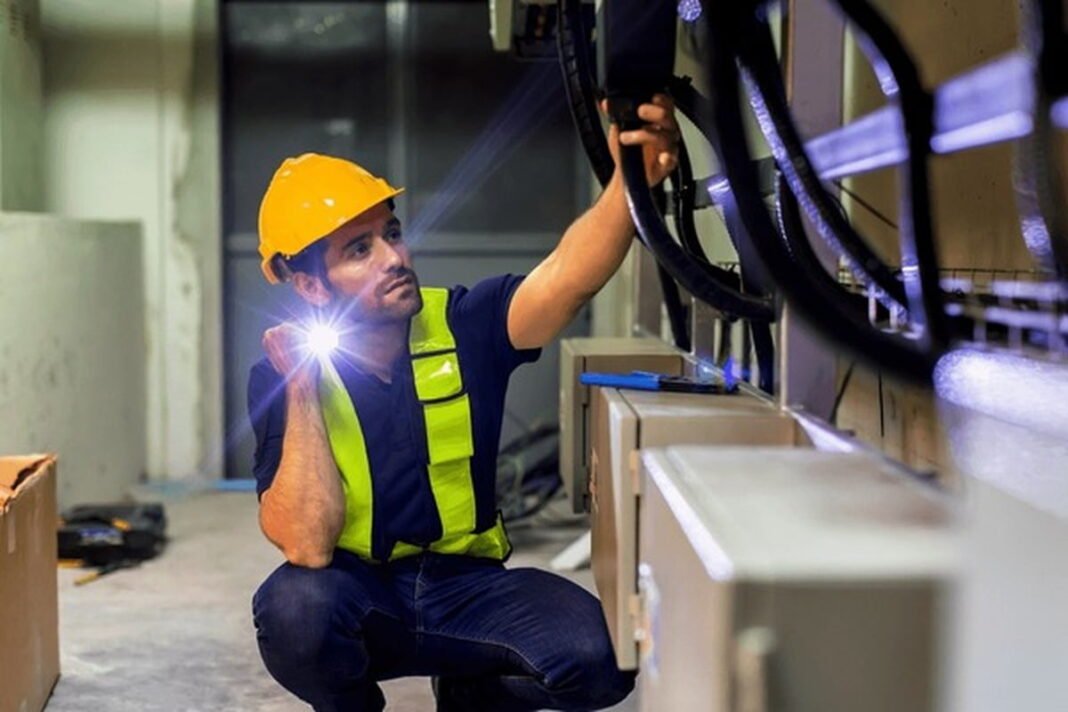
An electrical safety check is a thorough examination of your property’s electrical system carried out by a licensed electrician. During this inspection, the professional assesses the condition of your wiring, switchboards, outlets, and safety devices to make sure everything meets current Australian standards.
The process involves both visual assessments and specialised testing using professional equipment. Electricians look for signs of wear, damage, or improper installation that could pose fire or electrocution risks. They’ll examine everything from your meter box to individual power points throughout the property.
These inspections are designed to catch problems early. Faulty wiring, overloaded circuits, and outdated components can all be identified before they cause serious harm. Think of it as a health check for your home’s electrical system.
Electrical Safety Check vs. Electrical Safety Certificate: What’s the Difference?
Many people confuse electrical safety check with electrical safety certificates, but they’re not quite the same thing. A safety check is the inspection itself—the process of examining your electrical system. An electrical safety certificate is the official document you receive after passing the inspection.
The certificate confirms that your property’s electrical installation has been assessed and meets safety requirements. For landlords, this documentation is particularly important as it demonstrates compliance with legal obligations. Homeowners may also want this paperwork when selling a property or for insurance purposes.
How Often Should You Get an Electrical Safety Check?
Recommended Timeframes for Homeowners
For most Australian homeowners, getting an electrical safety check every five years is a sensible approach. However, older properties with wiring installed more than 25 years ago should be inspected more frequently—ideally every two to three years.
You should also book an inspection if you’ve recently purchased a property, noticed any electrical issues, or completed renovations. Moving into a new home without knowing the state of the electrics is a risk not worth taking.
Electrical Safety Requirements for Landlords and Rental Properties
Landlords in Australia have specific obligations regarding electrical safety in rental properties. In most states, you’re required to make sure all electrical installations and appliances are safe before tenants move in and throughout the tenancy.
Regular inspections protect both you and your tenants. Many property managers recommend annual checks for rental properties, given the higher wear and tear from tenant turnover. Keeping proper records of these inspections is essential for demonstrating compliance.
Commercial Property Inspection Schedules
Commercial properties typically require more frequent inspections due to heavier electrical usage. Most businesses should schedule checks annually, though high-risk industries may need them even more often.
Your insurance provider may have specific requirements regarding inspection frequency. Always check your policy and industry regulations to stay compliant.
What Does an Electrical Safety Check Include?
Visual Inspection of Wiring and Components
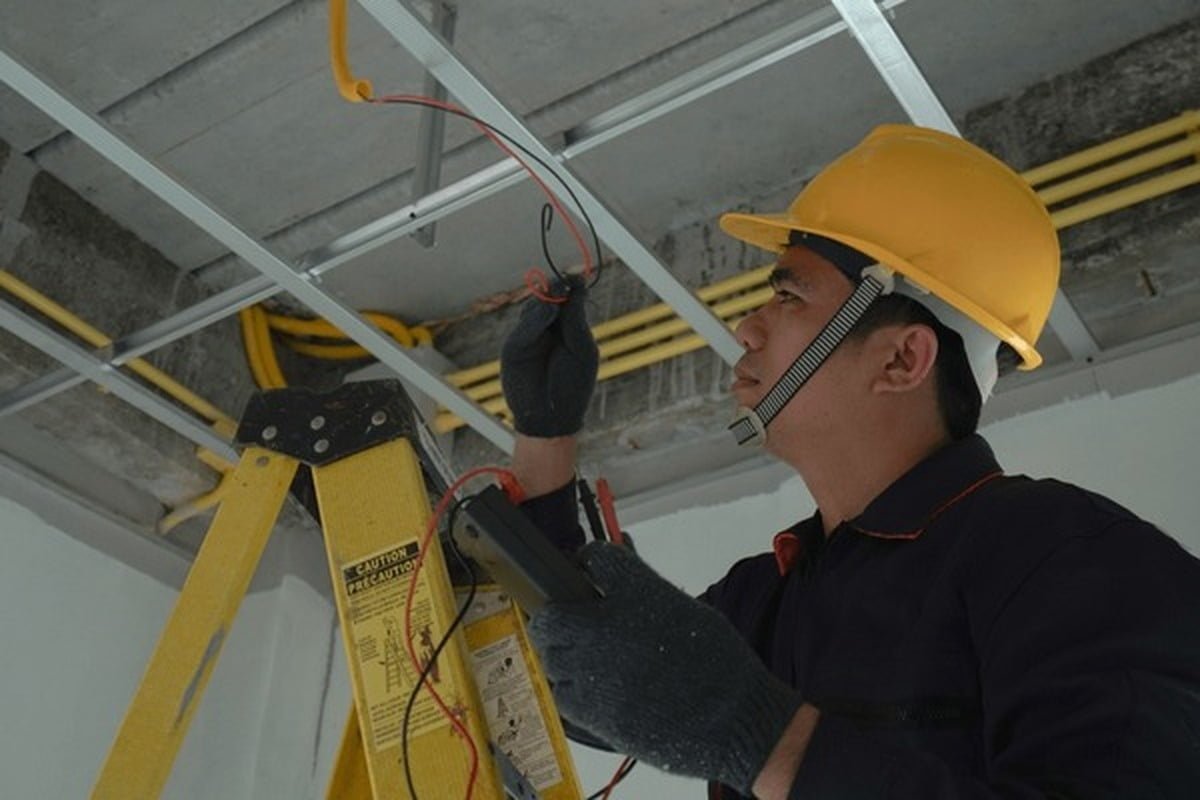
The electrician begins with a visual examination of accessible wiring and electrical components. They’ll look for damaged insulation, exposed conductors, signs of overheating, and any DIY work that doesn’t meet standards.
This stage also involves checking that cables are properly secured and protected from physical damage. Any visible deterioration gets noted for further investigation.
Testing Switchboards and Circuit Breakers
Your switchboard is the heart of your electrical system, so it receives particular attention. The electrician tests circuit breakers to confirm they trip correctly when needed, providing essential protection against electrical faults.
Older switchboards with ceramic fuses may be flagged for upgrading, as modern safety switches offer far superior protection against electrocution.
Checking Safety Switches and RCDs
Residual Current Devices (RCDs), commonly called safety switches, are life-saving devices that cut power within milliseconds if they detect current leakage. Testing these devices is a critical part of any inspection.
The electrician will verify that your RCDs are functioning correctly and covering all necessary circuits. Australian regulations require RCDs on power and lighting circuits in newer installations.
Assessing Outlets, Fixtures, and Appliances
Every power point, light switch, and fixed appliance gets examined for damage, proper installation, and safe operation. Loose connections, cracked faceplates, and faulty appliances are common issues identified during this stage.
Who Can Perform an Electrical Safety Check?
Why You Need a Licensed Electrician
Only licensed electricians can legally perform electrical safety checks in Australia. This isn’t just bureaucracy—it’s about safety and accountability. Licensed professionals have completed rigorous training and maintain current knowledge of Australian Standards.
Attempting to conduct your own detailed inspection or hiring an unqualified person puts you at serious risk. Beyond the safety implications, any electrical work done by unlicensed individuals is illegal and could void your insurance.
How to Choose a Qualified Electrical Inspector
When selecting an electrician, verify their licence through your state’s regulatory body. Look for professionals with specific experience in safety inspections rather than just general electrical work.
Ask for references, read reviews, and get quotes from multiple providers. A reputable electrician will happily explain their process and provide clear documentation upon completion.
Common Electrical Hazards Found During Inspections
Outdated or Faulty Wiring
Older properties often contain wiring that no longer meets current safety standards. Deteriorating rubber insulation, aluminium wiring, and undersized cables are frequently discovered during inspections.
These issues significantly increase fire risk and should be addressed promptly. Rewiring may seem expensive, but it’s far cheaper than dealing with the consequences of an electrical fire.
Overloaded Circuits and Power Points
In our gadget-filled world, overloaded circuits have become increasingly common. Too many devices drawing power from a single circuit creates overheating risks.
Double adapters stacked on double adapters are a classic warning sign. Your electrician may recommend additional circuits or power points to distribute the load safely.
Non-Compliant DIY Electrical Work
Dodgy DIY electrical work is surprisingly common and extremely dangerous. Previous owners or unqualified handymen often leave behind hazardous installations that put current occupants at risk.
Inspections frequently uncover improperly wired switches, missing earth connections, and unsafe junction box arrangements. All non-compliant work must be rectified by a licensed professional.
Can I Do My Own Electrical Safety Check?
Simple Visual Checks You Can Perform Safely
While you can’t conduct a full inspection yourself, some basic visual checks are perfectly safe. Look for damaged power point covers, flickering lights, discoloured outlets, or burning smells near electrical fixtures.
Check that your safety switch works by pressing the test button monthly. If it doesn’t trip immediately, call an electrician straight away.
When to Call a Professional
Any electrical concern beyond simple observation requires professional attention. Buzzing sounds, frequently tripping circuits, or tingling sensations when touching appliances are all red flags demanding immediate expert assessment.
Never attempt to investigate electrical problems yourself—the risks simply aren’t worth it.
Preparing Your Property for an Electrical Safety Inspection
Making your property inspection-ready helps the process run smoothly. Clear access to your switchboard, meter box, and all power points saves time and potentially reduces costs.
Compile any existing electrical documentation, including previous inspection reports and certificates for recent work. Note down any concerns or issues you’ve noticed to discuss with the electrician.
Protecting Your Home and Family with Regular Electrical Safety Checks
Regular electrical safety checks are one of the smartest investments you can make in your property and your family’s wellbeing. These inspections catch hidden dangers before they cause harm, giving you genuine peace of mind about your home’s safety.
Whether you’re a homeowner maintaining your property, a landlord fulfilling your obligations, or a business owner protecting your premises, staying on top of electrical inspections is non-negotiable. The relatively small cost and minor inconvenience of regular checks pales in comparison to the catastrophic consequences of electrical fires or electrocution.
Don’t wait until something goes wrong to think about your electrical safety. Book a check with a licensed electrician today, keep up with recommended inspection schedules, and address any issues promptly. Your home should be your sanctuary—make sure its electrical system isn’t putting that at risk.